myBibleHistory

Ancient Mysteries & Interpretations

A Moabite in Israel: Ruth and Deuteronomy 23

Deuteronomy 23:3 excludes Ammonites and Moabites from the assembly "even to their tenth generation." Ruth the Moabite is welcomed, marries Boaz and becomes David's great-grandmother. Ezra and Nehemiah later sent away foreign wives, citing this law. Jewish law, historians and theologians explain the tension in different ways; none of them needs Ruth to "disprove" Deuteronomy.

Tension in the texts: documented · Explanations: several, disputed

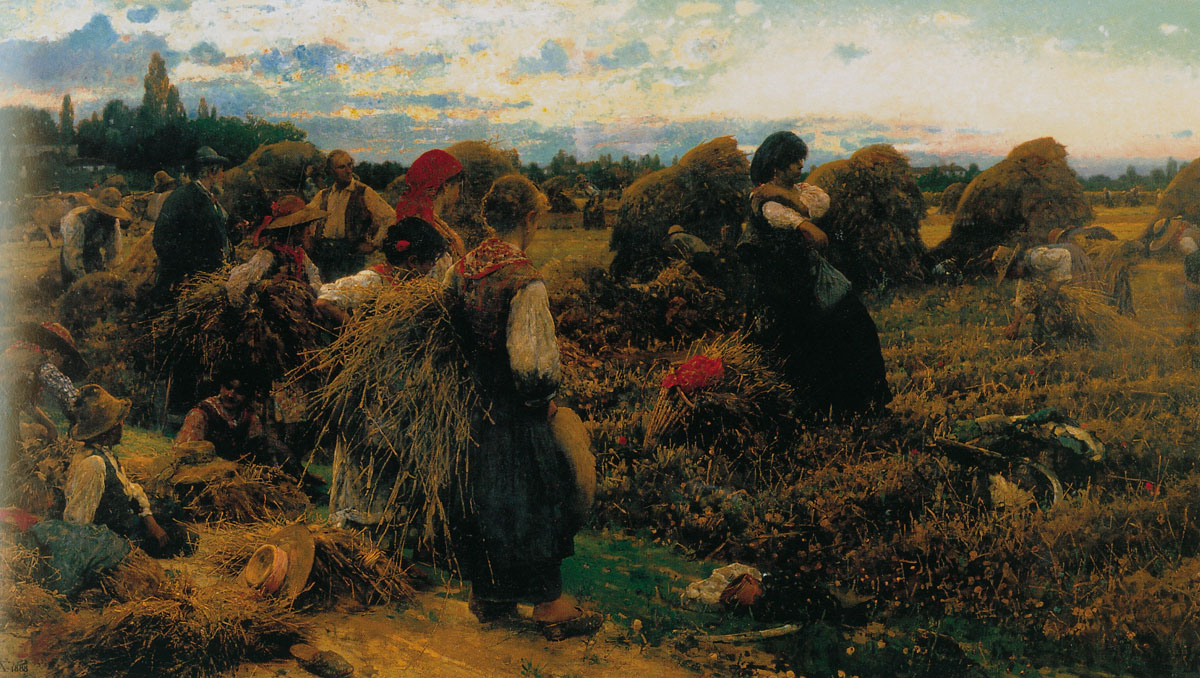
Ruth gleaning in the field of Boaz
Later artwork, not historical evidenceLuigi Nono, Ruth in the Field of Boaz (1887–88): an artist's depiction.Image credit

1 What Scripture says

Nehemiah 13:1–3, 23–27

"An Ammonite or Moabite shall not enter into the congregation of the LORD; even to their tenth generation" (Deuteronomy 23:3). "Thy people shall be my people, and thy God my God" (Ruth 1:16).

2 What evidence we might expect

  • Ancient Jewish discussion of the tension.
  • Differences in how "assembly" was understood.
  • Later debates over foreign marriage.

3 What ancient sources survive

Babylonian Talmud, Yevamot 76b–77a

Language
Aramaic and Hebrew
Composed
c. AD 500 (earlier traditions)
Oldest surviving copy
Medieval manuscripts
Status
Rabbinic tradition

"An Ammonite, not an Ammonitess; a Moabite, not a Moabitess": the law applies to men.
Ruth Rabbah

Language
Hebrew and Aramaic
Composed
c. 5th–6th century AD
Oldest surviving copy
Medieval manuscripts
Status
Midrash

Ruth as the model convert.

4 What discoveries exist

Ezra 9:1 lists Moabites among the peoples whose daughters the returned exiles had married; Nehemiah 13:1–3 reads Deuteronomy 23 aloud and separates "the mixed multitude." Deuteronomy 7:3–4 forbids marriage with the Canaanite nations but does not name Moab. 1 Kings 11:1 counts Moabite women among Solomon's foreign wives.

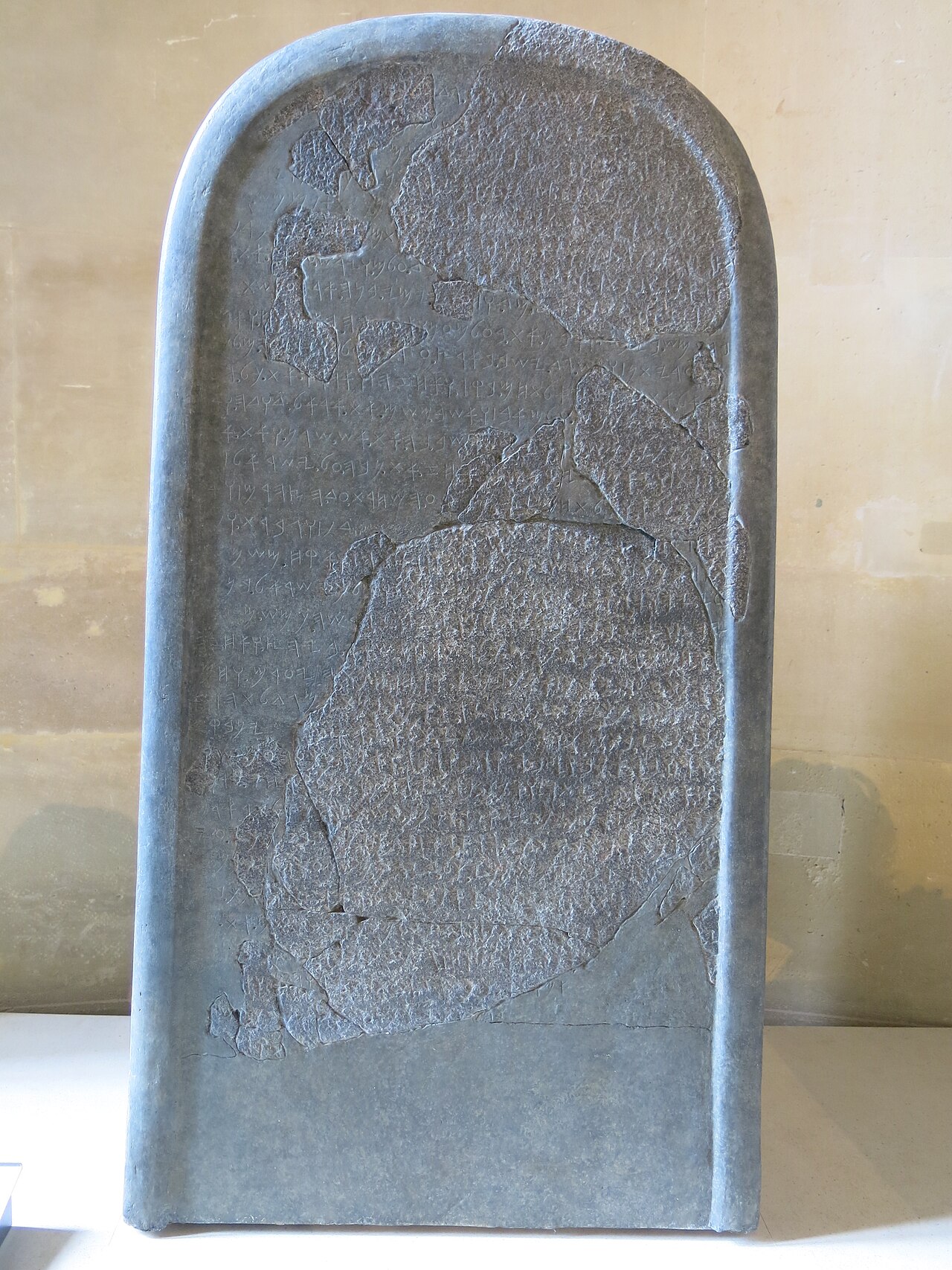
The Mesha Stele
Authentic ancient artifactThe Mesha Stele, Louvre AO 5066, 9th century BC: the stone as reassembled after it was broken in 1869, with restored areas.Image credit

5 How interpretations compare

Scholarly reconstruction

Assembly is not marriage

"Entering the assembly" may refer to full participation in worship or civic life, not to marriage or residence.

Scholarly reconstruction

A voice for inclusion

Ruth was told or written to show that loyalty to Israel's God, not birth, makes a true Israelite, possibly in conversation with Ezra–Nehemiah.

Scholarly reconstruction

No direct debate

If Ruth is early, it predates Ezra and was not written against him; the tension is in the canon, not a polemic.

6 The strongest supported reconstruction

The canon preserves both the law and the story. Ruth's loyalty, her oath in the LORD's name, and her place in David's line present faith and ḥesed as the way a foreigner is received, without abolishing Deuteronomy.

7 What remains possible or unknown

  • When Ruth was written.
  • How Deuteronomy 23 was applied in the period of the judges.

What the evidence shows

  • Independently documentedDeuteronomy 23:3 excludes Moabites from the assembly.
  • Independently documentedRabbinic law limits the exclusion to men.

    Source: Babylonian Talmud, Yevamot 76b–77a ↗

  • DisputedRuth was written to oppose Ezra and Nehemiah.
  • Conflicts with current evidenceRuth shows Deuteronomy was wrong. Neither the book nor its readers present it that way.

Where this connects