Books of Scripture
Psalms
The prayers and songs of Israel, from lament to praise
150 chapters
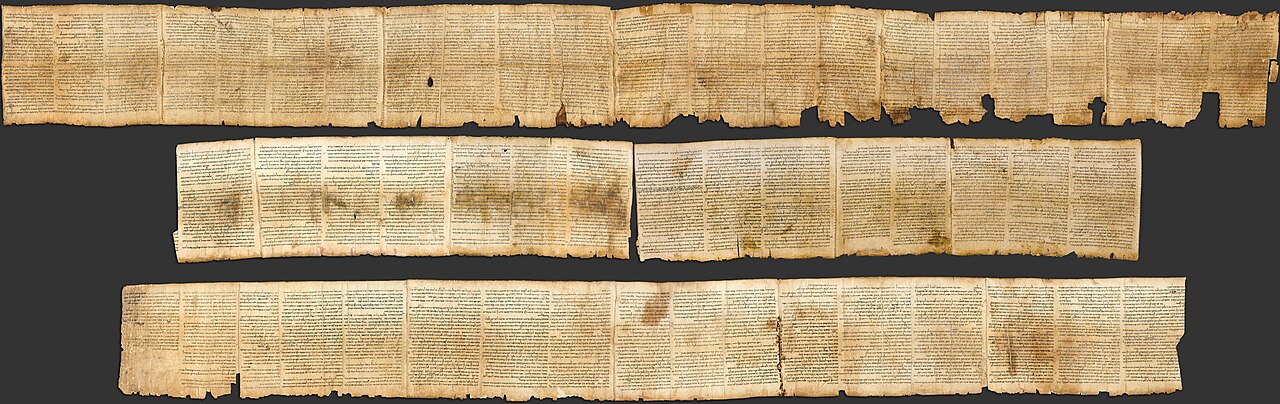
The Psalms are 150 poems of prayer and praise gathered into five books, each closing with a blessing. They cry out in grief and anger, confess sin, thank God for rescue, celebrate the king and Zion, teach wisdom and torah, and end in a crescendo of hallelujahs. Many carry ancient headings that name a person (David, Asaph, the sons of Korah, Moses, Solomon), an occasion or a tune; those headings record how the psalms were remembered and used, and the poems themselves were composed and collected over many centuries. The Hebrew and Greek traditions number most psalms differently, and the Greek has a Psalm 151. Each lesson shows the poetry at work: parallel lines, alphabets, wordplay, changing voices and the turn from lament to trust.
Lessons
- 1Psalm 1: The Two WaysPsalm 1 · The Psalter opens without a title, without a speaker and without a prayer. Psalm 1 is a short wisdom poem about two ways of living. "Blessed is the man" who does not walk, stand or sit with the wicked but delights in the LORD's torah (instruction) and murmurs it day and night; he is like a tree planted by streams of water. The wicked are like chaff the wind drives away. "The LORD knoweth the way of the righteous: but the way of the ungodly shall perish."
- 2Psalm 2: "Thou Art My Son"Psalm 2 · The nations rage against the LORD and his anointed (mashiah). God laughs from heaven and declares, "Yet have I set my king upon my holy hill of Zion." The king reports God's decree: "Thou art my Son; this day have I begotten thee," with the nations as his inheritance. The poem ends with a warning to the kings of the earth to serve the LORD with fear and to "kiss the son," a phrase whose Hebrew is disputed.
- 3Psalm 3: When He Fled from AbsalomPsalm 3 · The first psalm with a title: "A Psalm of David, when he fled from Absalom his son." The speaker is surrounded by enemies who say God will not save him. Yet God is his shield; he cried and was answered; he lay down, slept and woke, because the LORD sustained him. He will not fear ten thousands. "Salvation belongeth unto the LORD." The word selah appears three times.
- 4Psalm 4: In Peace I Will Lie DownPsalm 4 · "To the chief Musician on Neginoth" (stringed instruments). The speaker asks God, "the God of my righteousness," to hear, and turns to people who love vanity: the LORD has set apart the godly. "Stand in awe, and sin not: commune with your own heart upon your bed, and be still." Many say, "Who will shew us any good?" God has put more gladness in his heart than their grain and wine. "I will both lay me down in peace, and sleep."
- 5Psalm 5: In the MorningPsalm 5 · A morning prayer "upon Nehiloth" (perhaps flutes). The speaker lays out his case before God at dawn and watches. God does not delight in wickedness; the boastful, liars and the bloodthirsty cannot stand before him. The speaker will enter God's house in reverence. Their throat is an open grave; let them fall by their own counsels. Let all who trust in God rejoice; God blesses the righteous and surrounds him with favour as with a shield.
- 6Psalm 6: "O LORD, How Long?"Psalm 6 · "Upon Sheminith" (the eighth, perhaps an octave or eight-stringed instrument). The speaker begs God not to rebuke him in anger. His bones are vexed, his soul is troubled: "but thou, O LORD, how long?" In death there is no remembrance of God. He is weary with groaning, his bed swims with tears. Suddenly: "Depart from me, all ye workers of iniquity; for the LORD hath heard the voice of my weeping."
- 7Psalm 7: Concerning Cush the BenjamitePsalm 7 · A shiggaion of David "concerning the words of Cush the Benjamite," a person never mentioned elsewhere. The speaker flees to God from pursuers who would tear him like a lion. He swears an oath: if I have done this, if I have repaid evil, let the enemy trample me. He calls on God to judge the peoples and judge him by his righteousness. God is a righteous judge; the wicked man digs a pit and falls into it. "I will praise the LORD according to his righteousness."
- 8Psalm 8: What Is Man?Psalm 8 · A hymn framed by the same line at beginning and end: "O LORD our Lord, how excellent is thy name in all the earth!" Out of the mouths of babes God has founded strength. When the poet considers the heavens, moon and stars, he asks, "What is man, that thou art mindful of him?" Yet God made humans "a little lower than the angels" (Hebrew elohim, God or divine beings) and gave them dominion over sheep, oxen, beasts, birds and fish.
- 9Psalm 9: With My Whole HeartPsalm 9 · "Upon Muth-labben" ("on the death of the son"?). The speaker praises God for judging the nations and defending the oppressed: "The LORD also will be a refuge for the oppressed." The nations sink into the pit they made; "the needy shall not alway be forgotten." The psalm's verses begin with the letters of the Hebrew alphabet from alef to kaf, and Psalm 10 continues the pattern. The Greek and Latin Bibles count Psalms 9 and 10 as one psalm.
- 10Psalm 10: Why Standest Thou Afar Off?Psalm 10 · The second half of the Psalm 9–10 acrostic, with no title. "Why standest thou afar off, O LORD? why hidest thou thyself in times of trouble?" The wicked man boasts, says in his heart "There is no God," lurks in villages like a lion to seize the poor. "Arise, O LORD… forget not the humble." God sees mischief and is the helper of the fatherless. "LORD, thou hast heard the desire of the humble… to judge the fatherless and the oppressed."
- 11Psalm 11: Flee as a BirdPsalm 11 · Friends advise the speaker to flee like a bird to the mountains: the wicked bend their bows in the dark, and "if the foundations be destroyed, what can the righteous do?" He refuses. The LORD is in his holy temple, his throne in heaven; his eyes test humanity. He will rain coals, fire and brimstone on the wicked. "For the righteous LORD loveth righteousness; his countenance doth behold the upright."
- 12Psalm 12: Words Like Refined SilverPsalm 12 · "Upon Sheminith." The faithful have vanished; everyone speaks lies with "flattering lips and with a double heart." They say, "With our tongue will we prevail." God answers: "For the oppression of the poor… now will I arise." In contrast to human talk, "the words of the LORD are pure words: as silver tried in a furnace of earth, purified seven times." The psalm ends grimly: the wicked walk on every side when vileness is exalted.
- 13Psalm 13: How Long?Psalm 13 · One of the shortest laments. Four times the speaker asks "How long?": will God forget him for ever, hide his face, leave him to sorrow, let the enemy triumph? "Consider and hear me… lighten mine eyes, lest I sleep the sleep of death." Then, without transition: "But I have trusted in thy mercy; my heart shall rejoice in thy salvation. I will sing unto the LORD, because he hath dealt bountifully with me."
- 14Psalm 14: The Fool Says There Is No GodPsalm 14 · "The fool hath said in his heart, There is no God." Corruption is universal: "there is none that doeth good, no, not one." Evildoers eat up God's people as they eat bread. But God is with the righteous generation, and the psalm ends with a hope: "Oh that the salvation of Israel were come out of Zion!" Psalm 53 is almost the same psalm, using Elohim instead of YHWH.
- 15Psalm 15: Who May Dwell on Your Holy Hill?Psalm 15 · "LORD, who shall abide in thy tabernacle? who shall dwell in thy holy hill?" The answer is a list of conduct, not ritual: one who walks uprightly, works righteousness and speaks truth in his heart; does not slander, harm a neighbour or reproach him; despises the vile and honours those who fear the LORD; keeps an oath even to his own hurt; does not lend at interest or take bribes against the innocent. "He that doeth these things shall never be moved."
- 16Psalm 16: The Path of LifePsalm 16 · A miktam of David. The speaker seeks refuge in God, rejects the gods others run after, and celebrates his portion: "The lines are fallen unto me in pleasant places; yea, I have a goodly heritage." Because God is at his right hand he will not be moved; his flesh rests secure, "for thou wilt not leave my soul in hell; neither wilt thou suffer thine Holy One to see corruption. Thou wilt shew me the path of life."
- 17Psalm 17: The Apple of the EyePsalm 17 · "A Prayer of David." The speaker asks God to hear a just cause from lips without deceit: God has tested his heart by night and found nothing. "Keep me as the apple of the eye, hide me under the shadow of thy wings" from enemies who encircle him like a lion. He asks God to rise against men "whose portion is in this life." "As for me, I will behold thy face in righteousness: I shall be satisfied, when I awake, with thy likeness."
- 18Psalm 18: The LORD Is My RockPsalm 18 · The long title says David sang this song "in the day that the LORD delivered him from the hand of all his enemies, and from the hand of Saul." The same poem appears in 2 Samuel 22 with many small differences. The king calls God his rock, fortress and deliverer; in distress he cried and God came down in an earthquake and storm, rode a cherub, thundered, shot lightning and drew him out of many waters. God rewarded his righteousness and trained his hands for war. The song ends with God's steadfast love "to David, and to his seed for evermore."
- 19Psalm 19: The Heavens DeclarePsalm 19 · "The heavens declare the glory of God." Day and night speak without words, and their "line" goes out through all the earth. In the heavens God has pitched a tent for the sun, which runs like a bridegroom and a champion; nothing is hidden from its heat. Then the poem turns to the torah of the LORD: perfect, sure, right, pure, clean, true, sweeter than honey. The speaker asks to be cleansed from hidden faults: "Let the words of my mouth, and the meditation of my heart, be acceptable in thy sight, O LORD, my strength, and my redeemer."
- 20Psalm 20: Some Trust in ChariotsPsalm 20 · The people pray for the king before battle: "The LORD hear thee in the day of trouble; the name of the God of Jacob defend thee… remember all thy offerings." A single voice then announces: "Now know I that the LORD saveth his anointed." "Some trust in chariots, and some in horses: but we will remember the name of the LORD our God." The psalm ends: "Save, LORD: let the king hear us when we call."
- 21Psalm 21: The King RejoicesPsalm 21 · The companion of Psalm 20. The king rejoices in God's strength: God gave him his heart's desire, set a crown of pure gold on his head, gave him long life, glory and majesty. "For the king trusteth in the LORD." The second half addresses the king (or God): his hand will find his enemies and make them like a fiery oven. "Be thou exalted, LORD, in thine own strength: so will we sing and praise thy power."
- 22Psalm 22: My God, Why Have You Forsaken Me?Psalm 22 · "To the chief Musician upon Aijeleth Shahar" ("the hind of the dawn"). The speaker cries "My God, my God, why hast thou forsaken me?" He is a worm, scorned and mocked: "He trusted on the LORD… let him deliver him." Bulls, lions and dogs surround him; his bones are out of joint, his strength dried like a potsherd, his garments divided by lot, and his hands and feet are attacked in a line whose Hebrew is disputed. Suddenly, "thou hast heard me," and the psalm ends in praise spreading to the great congregation, the ends of the earth, the dead and the unborn.
- 23Psalm 23: The LORD Is My ShepherdPsalm 23 · "A Psalm of David. The LORD is my shepherd; I shall not want." God leads to green pastures and still waters, restores the soul, leads in right paths for his name's sake. "Though I walk through the valley of the shadow of death, I will fear no evil: for thou art with me." Then the scene changes to a host who prepares a table before enemies, anoints the head with oil, and fills the cup. "Surely goodness and mercy shall follow me… and I will dwell in the house of the LORD for ever."
- 24Psalm 24: Lift Up Your Heads, O GatesPsalm 24 · "The earth is the LORD's, and the fulness thereof." Who may ascend God's hill? One with clean hands and a pure heart. Then the gates themselves are commanded: "Lift up your heads, O ye gates; and be ye lift up, ye everlasting doors; and the King of glory shall come in." "Who is this King of glory? The LORD strong and mighty, the LORD mighty in battle… The LORD of hosts, he is the King of glory."
- 25Psalm 25: Unto Thee I Lift My SoulPsalm 25 · An acrostic prayer of David. "Unto thee, O LORD, do I lift up my soul." The speaker asks not to be put to shame, to be taught God's paths, to have the sins of his youth forgotten. "Good and upright is the LORD: therefore will he teach sinners in the way." "The secret of the LORD is with them that fear him." Lonely and afflicted, he asks God to turn to him, and ends with a line outside the alphabet: "Redeem Israel, O God, out of all his troubles."
- 26Psalm 26: Judge Me, O LORDPsalm 26 · "Judge me, O LORD; for I have walked in mine integrity." The speaker invites God to examine his heart; he has not sat with liars or hypocrites. "I will wash mine hands in innocency: so will I compass thine altar, O LORD." "LORD, I have loved the habitation of thy house." He asks not to be gathered with sinners and bloody men, and ends: "My foot standeth in an even place: in the congregations will I bless the LORD."
- 27Psalm 27: The LORD Is My LightPsalm 27 · "The LORD is my light and my salvation; whom shall I fear?" Though an army camp against him, he will be confident. "One thing have I desired… that I may dwell in the house of the LORD all the days of my life, to behold the beauty of the LORD." Then the tone changes to urgent plea: "Hide not thy face far from me… When my father and my mother forsake me, then the LORD will take me up." It ends: "Wait on the LORD: be of good courage."
- 28Psalm 28: My Rock, Be Not SilentPsalm 28 · "Unto thee will I cry, O LORD my rock; be not silent to me: lest, if thou be silent to me, I become like them that go down into the pit." He lifts his hands toward the inner sanctuary and asks not to be dragged away with those who speak peace but plan mischief. Then: "Blessed be the LORD, because he hath heard the voice of my supplications." The psalm ends with a prayer for the people: "Save thy people, and bless thine inheritance: feed them also, and lift them up for ever."
- 29Psalm 29: The Voice of the LORDPsalm 29 · "Give unto the LORD, O ye mighty (bene elim, 'sons of gods'), give unto the LORD glory and strength." Then a storm crosses the land: "The voice of the LORD is upon the waters… The voice of the LORD breaketh the cedars of Lebanon… maketh them also to skip like a calf; Lebanon and Sirion like a young unicorn… The voice of the LORD divideth the flames of fire… shaketh the wilderness of Kadesh." In his temple all cry "Glory!" "The LORD sitteth upon the flood; yea, the LORD sitteth King for ever. The LORD will give strength unto his people; the LORD will bless his people with peace."
- 30Psalm 30: Joy Comes in the MorningPsalm 30 · "A Psalm and Song at the dedication of the house of David." The speaker praises God for lifting him up from the pit: "thou hast kept me alive." "For his anger endureth but a moment; in his favour is life: weeping may endure for a night, but joy cometh in the morning." He had been secure and said "I shall never be moved"; God hid his face and he was troubled; he pleaded, "What profit is there in my blood?" "Thou hast turned for me my mourning into dancing."
- 31Psalm 31: Into Your Hand I Commit My SpiritPsalm 31 · "In thee, O LORD, do I put my trust… be thou my strong rock." "Into thine hand I commit my spirit: thou hast redeemed me, O LORD God of truth." The speaker is wasting away with grief, scorned by neighbours, forgotten like a dead man, "like a broken vessel," hearing "fear on every side." "But I trusted in thee… My times are in thy hand." The psalm ends: "Be of good courage, and he shall strengthen your heart, all ye that hope in the LORD."
- 32Psalm 32: Blessed Is the ForgivenPsalm 32 · A maskil of David. "Blessed is he whose transgression is forgiven, whose sin is covered." While the speaker kept silent his body wasted away and God's hand was heavy on him day and night; "I acknowledged my sin unto thee… and thou forgavest the iniquity of my sin." God speaks: "I will instruct thee and teach thee in the way… Be ye not as the horse, or as the mule." "Many sorrows shall be to the wicked: but he that trusteth in the LORD, mercy shall compass him about."
- 33Psalm 33: Sing a New SongPsalm 33 · One of the few untitled psalms of Book I. "Rejoice in the LORD, O ye righteous… Sing unto him a new song; play skilfully with a loud noise." "By the word of the LORD were the heavens made; and all the host of them by the breath of his mouth. He gathereth the waters of the sea together as an heap." The LORD frustrates the plans of nations; "Blessed is the nation whose God is the LORD." "There is no king saved by the multitude of an host… An horse is a vain thing for safety."
- 34Psalm 34: O Taste and SeePsalm 34 · The title sets the psalm "when he changed his behaviour before Abimelech; who drove him away, and he departed" (compare 1 Samuel 21:10–15, where the king is Achish of Gath). An acrostic thanksgiving: "I will bless the LORD at all times… This poor man cried, and the LORD heard him… The angel of the LORD encampeth round about them that fear him… O taste and see that the LORD is good." Then instruction: "Keep thy tongue from evil… seek peace, and pursue it." "He keepeth all his bones: not one of them is broken."
- 35Psalm 35: Plead My Cause, O LORDPsalm 35 · "Plead my cause, O LORD, with them that strive with me: fight against them that fight against me." The speaker asks God to take up shield and spear, to make his pursuers like chaff, with the angel of the LORD chasing them. False witnesses accuse him; when they were sick he wore sackcloth and fasted for them, but in his trouble they gathered and mocked. "Let not them that are mine enemies wrongfully rejoice over me: neither let them wink with the eye that hate me without a cause."
- 36Psalm 36: The Fountain of LifePsalm 36 · "Of David the servant of the LORD." The psalm begins with sin speaking like an oracle in the wicked man's heart: "there is no fear of God before his eyes." He plots mischief on his bed. Then the speaker turns to God: "Thy mercy, O LORD, is in the heavens… thy righteousness is like the great mountains… How excellent is thy lovingkindness, O God!… For with thee is the fountain of life: in thy light shall we see light."
- 37Psalm 37: Fret Not YourselfPsalm 37 · An acrostic in two-verse units. "Fret not thyself because of evildoers… For they shall soon be cut down like the grass." "Delight thyself also in the LORD; and he shall give thee the desires of thine heart. Commit thy way unto the LORD… Rest in the LORD, and wait patiently for him." "The meek shall inherit the earth." An old man testifies: "I have been young, and now am old; yet have I not seen the righteous forsaken, nor his seed begging bread."
- 38Psalm 38: Rebuke Me Not in Your WrathPsalm 38 · "A Psalm of David, to bring to remembrance." "O LORD, rebuke me not in thy wrath." The speaker describes an illness he connects with his own sin: no soundness in his flesh, wounds that stink, loins burning, heart throbbing, eyes failing. "My lovers and my friends stand aloof from my sore." Enemies seek his life; he is like a deaf man who does not hear. "For in thee, O LORD, do I hope… Forsake me not, O LORD… Make haste to help me, O Lord my salvation."
- 39Psalm 39: My Days as a HandbreadthPsalm 39 · "To the chief Musician, even to Jeduthun." The speaker resolved to keep silent in front of the wicked, but his heart burned and he spoke: "LORD, make me to know mine end… Behold, thou hast made my days as an handbreadth… every man at his best state is altogether vanity." "And now, Lord, what wait I for? my hope is in thee." "Hold not thy peace at my tears: for I am a stranger with thee, and a sojourner, as all my fathers were. O spare me… before I go hence, and be no more."
- 40Psalm 40: I Waited PatientlyPsalm 40 · "I waited patiently for the LORD; and he inclined unto me, and heard my cry. He brought me up also out of an horrible pit, out of the miry clay, and set my feet upon a rock… And he hath put a new song in my mouth." "Sacrifice and offering thou didst not desire; mine ears hast thou opened… Then said I, Lo, I come: in the volume of the book it is written of me, I delight to do thy will." Then the psalm turns to urgent lament; its last five verses reappear as Psalm 70.
- 41Psalm 41: Blessed Is He Who Considers the PoorPsalm 41 · "Blessed is he that considereth the poor: the LORD will deliver him in time of trouble." The speaker lies sick; enemies visit only to gather gossip and say "he shall rise up no more." "Yea, mine own familiar friend, in whom I trusted, which did eat of my bread, hath lifted up his heel against me." He asks to be raised up. The psalm ends Book I with a doxology: "Blessed be the LORD God of Israel from everlasting, and to everlasting. Amen, and Amen."
- 42Psalm 42: As the Deer Longs for StreamsPsalm 42 · "To the chief Musician, Maschil, for the sons of Korah." "As the hart panteth after the water brooks, so panteth my soul after thee, O God." Far from the temple, the speaker remembers leading the festival procession while others taunt, "Where is thy God?" Waterfalls near the Jordan's sources become waves of God passing over him: "Deep calleth unto deep." Twice he speaks to his own soul: "Why art thou cast down, O my soul?… hope thou in God."
- 43Psalm 43: Send Out Your Light and Your TruthPsalm 43 · Without a heading of its own in Hebrew, Psalm 43 continues the lament of Psalm 42. "Judge me, O God, and plead my cause against an ungodly nation." "O send out thy light and thy truth: let them lead me; let them bring me unto thy holy hill." "Then will I go unto the altar of God, unto God my exceeding joy." The refrain sounds for the third time: "hope in God: for I shall yet praise him, who is the health of my countenance, and my God."
- 44Psalm 44: Awake, Why Do You Sleep?Psalm 44 · "We have heard with our ears, O God, our fathers have told us, what work thou didst in their days." God gave the land not by the sword but by his right hand; "through thee will we push down our enemies." Yet now: "thou hast cast off, and put us to shame… Thou hast given us like sheep appointed for meat." The people insist: "All this is come upon us; yet have we not forgotten thee." "Yea, for thy sake are we killed all the day long." "Awake, why sleepest thou, O Lord?"
- 45Psalm 45: A Song for the King's WeddingPsalm 45 · "A Song of loves." A court poet addresses the king on his wedding day: "Thou art fairer than the children of men." He rides out in majesty for truth and justice; "Thy throne, O God, is for ever and ever… therefore God, thy God, hath anointed thee with the oil of gladness." Myrrh, aloes, ivory palaces, the queen in gold of Ophir. Then the poet speaks to the bride: "Forget also thine own people, and thy father's house." The procession enters the palace, and the poet promises the king sons who will be princes in all the earth.
- 46Psalm 46: God Is Our Refuge and StrengthPsalm 46 · "God is our refuge and strength, a very present help in trouble. Therefore will not we fear, though the earth be removed, and though the mountains be carried into the midst of the sea." "There is a river, the streams whereof shall make glad the city of God." Nations rage and kingdoms totter; God utters his voice and the earth melts. He makes wars cease, breaks the bow, burns the chariot. "Be still, and know that I am God." Twice: "The LORD of hosts is with us; the God of Jacob is our refuge."
- 47Psalm 47: God Has Gone Up with a ShoutPsalm 47 · "O clap your hands, all ye people; shout unto God with the voice of triumph. For the LORD most high is terrible; he is a great King over all the earth." "God is gone up with a shout, the LORD with the sound of a trumpet. Sing praises to God, sing praises." "God reigneth over the heathen: God sitteth upon the throne of his holiness. The princes of the people are gathered together, even the people of the God of Abraham."
- 48Psalm 48: Mount Zion, the Joy of All the EarthPsalm 48 · "Great is the LORD, and greatly to be praised in the city of our God." Mount Zion, "beautiful for situation, the joy of the whole earth… on the sides of the north, the city of the great King." Kings assembled, saw it, and fled in terror, "as thou breakest the ships of Tarshish with an east wind." "We have thought of thy lovingkindness, O God, in the midst of thy temple." "Walk about Zion… tell the towers thereof… that ye may tell it to the generation following."
- 49Psalm 49: No One Can Ransom a LifePsalm 49 · "Hear this, all ye people… both low and high, rich and poor, together." The teacher will open his "dark saying" on the harp. Why fear the rich? "None of them can by any means redeem his brother, nor give to God a ransom for him." Wise and foolish die alike and leave their wealth; their graves are their houses for ever. "But God will redeem my soul from the power of the grave: for he shall receive me." The refrain: "Man that is in honour, and understandeth not, is like the beasts that perish."
- 50Psalm 50: The Mighty God Has SpokenPsalm 50 · "A Psalm of Asaph. The mighty God, even the LORD, hath spoken, and called the earth." Out of Zion God shines and comes in fire and tempest, calling heaven and earth as witnesses: "Gather my saints together unto me; those that have made a covenant with me by sacrifice." He does not reprove their offerings: "If I were hungry, I would not tell thee: for the world is mine… Will I eat the flesh of bulls?" "Offer unto God thanksgiving." To the wicked who recite his covenant yet steal and slander: "Now consider this, ye that forget God."
- 51Psalm 51: Have Mercy on Me, O GodPsalm 51 · The heading sets the psalm "when Nathan the prophet came unto him, after he had gone in to Bath-sheba." "Have mercy upon me, O God, according to thy lovingkindness." "Against thee, thee only, have I sinned." "Purge me with hyssop, and I shall be clean: wash me, and I shall be whiter than snow." "Create in me a clean heart, O God." "Take not thy holy spirit from me." "The sacrifices of God are a broken spirit." The psalm ends with a prayer to build the walls of Jerusalem, and then offerings on the altar.
- 52Psalm 52: The Boaster and the Olive TreePsalm 52 · The heading: "when Doeg the Edomite came and told Saul, and said unto him, David is come to the house of Ahimelech." "Why boastest thou thyself in mischief, O mighty man?" "Thy tongue deviseth mischiefs; like a sharp razor, working deceitfully." God will pluck him out of his tent and root him out of the land of the living; the righteous will laugh. "But I am like a green olive tree in the house of God: I trust in the mercy of God for ever and ever."
- 53Psalm 53: The Fool's Creed, a Second TimePsalm 53 · "The fool hath said in his heart, There is no God. Corrupt are they… there is none that doeth good." Almost word for word Psalm 14, with "God" (Elohim) wherever Psalm 14 has "the LORD." But one verse is different: instead of "God is in the generation of the righteous," Psalm 53 says "God hath scattered the bones of him that encampeth against thee." "Oh that the salvation of Israel were come out of Zion!"
- 54Psalm 54: God Is My HelperPsalm 54 · The heading: "when the Ziphims came and said to Saul, Doth not David hide himself with us?" "Save me, O God, by thy name, and judge me by thy strength… For strangers are risen up against me, and oppressors seek after my soul." "Behold, God is mine helper: the Lord is with them that uphold my soul." "I will freely sacrifice unto thee: I will praise thy name, O LORD; for it is good."
- 55Psalm 55: Wings Like a DovePsalm 55 · "My heart is sore pained within me: and the terrors of death are fallen upon me… Oh that I had wings like a dove! for then would I fly away, and be at rest." The city is full of violence: strife walks its walls, deceit never leaves its streets. "For it was not an enemy that reproached me… But it was thou, a man mine equal, my guide, and mine acquaintance. We took sweet counsel together, and walked unto the house of God in company." "Cast thy burden upon the LORD, and he shall sustain thee."
- 56Psalm 56: Tears in God's BottlePsalm 56 · The heading: "upon Jonath-elem-rechokim, Michtam of David, when the Philistines took him in Gath." "Be merciful unto me, O God: for man would swallow me up." "What time I am afraid, I will trust in thee. In God I will praise his word… I will not fear what flesh can do unto me." "Thou tellest my wanderings: put thou my tears into thy bottle: are they not in thy book?"
- 57Psalm 57: I Will Awake the DawnPsalm 57 · The heading: "Al-taschith, Michtam of David, when he fled from Saul in the cave." "Be merciful unto me, O God… yea, in the shadow of thy wings will I make my refuge, until these calamities be overpast." The speaker lies among lions whose teeth are spears; his enemies dug a pit and fell into it. Twice the refrain: "Be thou exalted, O God, above the heavens." "Awake up, my glory; awake, psaltery and harp: I myself will awake early."
- 58Psalm 58: Do You Rulers Speak Justly?Psalm 58 · "Do ye indeed speak righteousness, O congregation? do ye judge uprightly, O ye sons of men?" They work wickedness from birth; their poison is like a serpent's, "like the deaf adder that stoppeth her ear; which will not hearken to the voice of charmers." The psalmist prays: "Break their teeth, O God… As a snail which melteth, let every one of them pass away." "The righteous shall rejoice when he seeth the vengeance… So that a man shall say, Verily there is a reward for the righteous: verily he is a God that judgeth in the earth."
- 59Psalm 59: Dogs Around the CityPsalm 59 · The heading: "when Saul sent, and they watched the house to kill him." "Deliver me from mine enemies, O my God… For, lo, they lie in wait for my soul." "They return at evening: they make a noise like a dog, and go round about the city." "Slay them not, lest my people forget: scatter them by thy power." Against the prowling dogs the speaker sets his refrain: "Unto thee, O my strength, will I sing: for God is my defence, and the God of my mercy."
- 60Psalm 60: Moab Is My WashpotPsalm 60 · The longest historical heading in the Psalter: "when he strove with Aram-naharaim and with Aram-zobah, when Joab returned, and smote of Edom in the valley of salt twelve thousand." The psalm begins in defeat: "O God, thou hast cast us off… thou hast made the earth to tremble." Then God speaks: "I will divide Shechem, and mete out the valley of Succoth… Moab is my washpot; over Edom will I cast out my shoe." "Who will bring me into the strong city?… Through God we shall do valiantly."
- 61Psalm 61: The Rock Higher Than IPsalm 61 · "Hear my cry, O God… From the end of the earth will I cry unto thee, when my heart is overwhelmed: lead me to the rock that is higher than I." "I will abide in thy tabernacle for ever: I will trust in the covert of thy wings." Then: "Thou wilt prolong the king's life: and his years as many generations. He shall abide before God for ever." "So will I sing praise unto thy name for ever, that I may daily perform my vows."
- 62Psalm 62: My Soul Waits in SilencePsalm 62 · "Truly my soul waiteth upon God: from him cometh my salvation. He only is my rock and my salvation." The attackers lean on a man like a tottering wall; they bless with their mouths but curse inwardly. "Men of low degree are vanity, and men of high degree are a lie: to be laid in the balance, they are altogether lighter than vanity." "Trust not in oppression… if riches increase, set not your heart upon them. God hath spoken once; twice have I heard this; that power belongeth unto God."
- 63Psalm 63: My Soul Thirsts for YouPsalm 63 · "A Psalm of David, when he was in the wilderness of Judah." "O God, thou art my God; early will I seek thee: my soul thirsteth for thee, my flesh longeth for thee in a dry and thirsty land, where no water is." "Because thy lovingkindness is better than life, my lips shall praise thee." "My soul shall be satisfied as with marrow and fatness… when I remember thee upon my bed, and meditate on thee in the night watches." "But the king shall rejoice in God."
- 64Psalm 64: Arrows of WordsPsalm 64 · "Hear my voice, O God, in my prayer: preserve my life from fear of the enemy. Hide me from the secret counsel of the wicked." They whet their tongue like a sword and aim bitter words like arrows, "that they may shoot in secret at the perfect: suddenly do they shoot at him." They say, "Who shall see them?" "But God shall shoot at them with an arrow; suddenly shall they be wounded." "And all men shall fear, and shall declare the work of God."
- 65Psalm 65: You Crown the YearPsalm 65 · "Praise waiteth for thee, O God, in Sion: and unto thee shall the vow be performed." God forgives transgressions; blessed is the one he chooses to dwell in his courts. He stills the roaring seas and the tumult of the peoples. "Thou visitest the earth, and waterest it… the river of God, which is full of water." "Thou crownest the year with thy goodness; and thy paths drop fatness… the valleys also are covered over with corn; they shout for joy, they also sing."
- 66Psalm 66: Come and See the Works of GodPsalm 66 · "Make a joyful noise unto God, all ye lands." "Come and see the works of God… He turned the sea into dry land: they went through the flood on foot." "Thou, O God, hast proved us: thou hast tried us, as silver is tried… we went through fire and through water: but thou broughtest us out into a wealthy place." Then a single voice: "I will go into thy house with burnt offerings: I will pay thee my vows." "Come and hear, all ye that fear God, and I will declare what he hath done for my soul."
- 67Psalm 67: Let All the Peoples Praise YouPsalm 67 · "God be merciful unto us, and bless us; and cause his face to shine upon us; that thy way may be known upon earth, thy saving health among all nations." Twice the refrain: "Let the people praise thee, O God; let all the people praise thee." "O let the nations be glad and sing for joy: for thou shalt judge the people righteously." "Then shall the earth yield her increase; and God, even our own God, shall bless us… and all the ends of the earth shall fear him."
- 68Psalm 68: Let God ArisePsalm 68 · "Let God arise, let his enemies be scattered." God, "a father of the fatherless," leads his people through the desert; Sinai quakes; rain falls on his inheritance; kings flee and women divide the spoil. Mount Bashan envies the mountain God chose. "The chariots of God are twenty thousand… Thou hast ascended on high, thou hast led captivity captive: thou hast received gifts for men." A procession enters the sanctuary, "little Benjamin" first. "Princes shall come out of Egypt; Ethiopia shall soon stretch out her hands unto God."
- 69Psalm 69: The Waters Have Come Up to My NeckPsalm 69 · "Save me, O God; for the waters are come in unto my soul. I sink in deep mire, where there is no standing." Those who hate him without a cause are more than the hairs of his head. He is a stranger to his brothers, "for the zeal of thine house hath eaten me up." Drunkards sing about him at the gate; "they gave me also gall for my meat; and in my thirst they gave me vinegar to drink." He prays: "Let their table become a snare… Let their habitation be desolate." Then he will praise God, who "will save Zion, and will build the cities of Judah."
- 70Psalm 70: Make Haste to Help MePsalm 70 · "To bring to remembrance." "Make haste, O God, to deliver me; make haste to help me, O LORD. Let them be ashamed and confounded that seek after my soul… Let all those that seek thee rejoice and be glad in thee: and let such as love thy salvation say continually, Let God be magnified. But I am poor and needy: make haste unto me, O God: thou art my help and my deliverer; O LORD, make no tarrying." Five verses, nearly identical to Psalm 40:13–17.
- 71Psalm 71: Do Not Cast Me Off in Old AgePsalm 71 · An untitled psalm in Hebrew. "In thee, O LORD, do I put my trust: let me never be put to confusion." "By thee have I been holden up from the womb." "Cast me not off in the time of old age; forsake me not when my strength faileth." Enemies say God has forsaken him. "O God, thou hast taught me from my youth… Now also when I am old and grayheaded, O God, forsake me not; until I have shewed thy strength unto this generation."
- 72Psalm 72: The Prayers of David Are EndedPsalm 72 · "A Psalm for Solomon. Give the king thy judgments, O God, and thy righteousness unto the king's son." Let him judge the poor with justice, "break in pieces the oppressor," come down "like rain upon the mown grass." "He shall have dominion also from sea to sea… The kings of Tarshish and of the isles shall bring presents: the kings of Sheba and Seba shall offer gifts." For he delivers the needy who cry. Book II closes with a doxology and a note: "The prayers of David the son of Jesse are ended."
- 73Psalm 73: Until I Went into the SanctuaryPsalm 73 · "A Psalm of Asaph. Truly God is good to Israel, even to such as are of a clean heart. But as for me, my feet were almost gone." The speaker envied the arrogant: healthy, rich, untroubled, mocking God. "Verily I have cleansed my heart in vain." "Until I went into the sanctuary of God; then understood I their end." "Thou shalt guide me with thy counsel, and afterward receive me to glory. Whom have I in heaven but thee?… God is the strength of my heart, and my portion for ever."
- 74Psalm 74: The Sanctuary in RuinsPsalm 74 · "O God, why hast thou cast us off for ever?" Enemies have roared in God's meeting place, hacked the carvings with axes like woodcutters, set the sanctuary on fire and burned "all the synagogues of God in the land." "There is no more any prophet." The people remind God of his ancient victory: "Thou didst divide the sea by thy strength: thou brakest the heads of the dragons… Thou brakest the heads of leviathan in pieces." "Arise, O God, plead thine own cause."
- 75Psalm 75: The Cup in the LORD's HandPsalm 75 · "Unto thee, O God, do we give thanks." God speaks: "When I shall receive the congregation I will judge uprightly. The earth and all the inhabitants thereof are dissolved: I bear up the pillars of it." He warns the arrogant: "Lift not up your horn on high." "For promotion cometh neither from the east, nor from the west, nor from the south. But God is the judge: he putteth down one, and setteth up another. For in the hand of the LORD there is a cup."
- 76Psalm 76: In Salem Is His TabernaclePsalm 76 · "In Judah is God known: his name is great in Israel. In Salem also is his tabernacle, and his dwelling place in Zion. There brake he the arrows of the bow, the shield, and the sword, and the battle." The proud warriors "have slept their sleep"; at God's rebuke "both the chariot and horse are cast into a dead sleep." "Surely the wrath of man shall praise thee." "Vow, and pay unto the LORD your God."
- 77Psalm 77: I Will Remember the Years of the Most HighPsalm 77 · "I cried unto God with my voice." Through a sleepless night the speaker remembers better days and asks: "Will the Lord cast off for ever?… Hath God forgotten to be gracious?" Then: "This is my infirmity: but I will remember the years of the right hand of the most High." He turns to the exodus: "The waters saw thee, O God… Thy way is in the sea, and thy path in the great waters, and thy footsteps are not known. Thou leddest thy people like a flock by the hand of Moses and Aaron."
- 78Psalm 78: Things Our Fathers Have Told UsPsalm 78 · "Give ear, O my people, to my law… I will open my mouth in a parable: I will utter dark sayings of old: which we have heard and known, and our fathers have told us." In 72 verses the teacher retells the exodus, the plagues in "the field of Zoan," manna and quail, rebellion in the wilderness, the entry into the land, the fall of Shiloh and the ark's capture, and God's choice of Judah, Zion and David "his servant… from the sheepfolds." The lesson: that the children "might set their hope in God, and not forget."
- 79Psalm 79: The Nations Have Come into Your InheritancePsalm 79 · "O God, the heathen are come into thine inheritance; thy holy temple have they defiled; they have laid Jerusalem on heaps." The bodies of God's servants are food for birds and beasts, their blood shed like water, "and there was none to bury them." "How long, LORD?" "Pour out thy wrath upon the heathen that have not known thee." "Help us, O God of our salvation… So we thy people and sheep of thy pasture will give thee thanks for ever."
- 80Psalm 80: Turn Us Again, O GodPsalm 80 · "Give ear, O Shepherd of Israel, thou that leadest Joseph like a flock; thou that dwellest between the cherubims, shine forth. Before Ephraim and Benjamin and Manasseh stir up thy strength." Three times, growing longer: "Turn us again, O God… cause thy face to shine; and we shall be saved." "Thou hast brought a vine out of Egypt": it filled the land, but its walls are broken, "the boar out of the wood doth waste it." "Let thy hand be upon the man of thy right hand."
- 81Psalm 81: Blow the Trumpet at the New MoonPsalm 81 · "Sing aloud unto God our strength… Blow up the trumpet in the new moon, in the time appointed, on our solemn feast day." Then a voice the speaker "understood not": God recalls freeing Israel's shoulder from the burden and answering in the thunder. "Hear, O my people… there shall no strange god be in thee… Open thy mouth wide, and I will fill it. But my people would not hearken." "Oh that my people had hearkened unto me… with honey out of the rock should I have satisfied thee."
- 82Psalm 82: God Judges Among the GodsPsalm 82 · "God standeth in the congregation of the mighty; he judgeth among the gods." He accuses them: "How long will ye judge unjustly, and accept the persons of the wicked?" "Defend the poor and fatherless." They do not understand, "all the foundations of the earth are out of course." "I have said, Ye are gods; and all of you are children of the most High. But ye shall die like men." "Arise, O God, judge the earth: for thou shalt inherit all nations."
- 83Psalm 83: A Coalition Against IsraelPsalm 83 · "Keep not thou silence, O God." God's enemies conspire: "Come, and let us cut them off from being a nation; that the name of Israel may be no more in remembrance." Ten peoples are named, from Edom and the Ishmaelites to Philistia, Tyre and Assyria. "Do unto them as unto the Midianites; as to Sisera, as to Jabin." "Make them like a wheel; as the stubble before the wind." "That men may know that thou, whose name alone is JEHOVAH, art the most high over all the earth."
- 84Psalm 84: How Lovely Is Your Dwelling PlacePsalm 84 · "How amiable are thy tabernacles, O LORD of hosts! My soul longeth, yea, even fainteth for the courts of the LORD." Even the sparrow and swallow have found a nest at God's altars. "Blessed are they that dwell in thy house." Pilgrims pass "through the valley of Baca" and make it a spring; "they go from strength to strength." "For a day in thy courts is better than a thousand. I had rather be a doorkeeper in the house of my God, than to dwell in the tents of wickedness."
- 85Psalm 85: Mercy and Truth Have MetPsalm 85 · "LORD, thou hast been favourable unto thy land: thou hast brought back the captivity of Jacob. Thou hast forgiven the iniquity of thy people." Yet the people still pray: "Turn us, O God of our salvation… Wilt thou not revive us again?" A voice answers with peace: "Mercy and truth are met together; righteousness and peace have kissed each other. Truth shall spring out of the earth; and righteousness shall look down from heaven… and our land shall yield her increase."
- 86Psalm 86: Unite My HeartPsalm 86 · "A Prayer of David. Bow down thine ear, O LORD, hear me: for I am poor and needy." "Among the gods there is none like unto thee." "All nations whom thou hast made shall come and worship before thee." "Teach me thy way, O LORD; I will walk in thy truth: unite my heart to fear thy name." "But thou, O Lord, art a God full of compassion, and gracious, longsuffering, and plenteous in mercy and truth." "Shew me a token for good."
- 87Psalm 87: Born in ZionPsalm 87 · "His foundation is in the holy mountains. The LORD loveth the gates of Zion more than all the dwellings of Jacob. Glorious things are spoken of thee, O city of God." God registers the nations: "I will make mention of Rahab and Babylon to them that know me: behold Philistia, and Tyre, with Ethiopia; this man was born there." "The LORD shall count, when he writeth up the people, that this man was born there." "All my springs are in thee."
- 88Psalm 88: Darkness Is My Closest FriendPsalm 88 · "O LORD God of my salvation, I have cried day and night before thee." The speaker is counted among those who go down to the pit, "free among the dead," laid in the lowest pit, in darkness. God has put his friends far away. "Wilt thou shew wonders to the dead?… Shall thy lovingkindness be declared in the grave?" "I am afflicted and ready to die from my youth up." The last line: "Lover and friend hast thou put far from me, and mine acquaintance into darkness."
- 89Psalm 89: Where Are Your Former Mercies?Psalm 89 · "Maschil of Ethan the Ezrahite. I will sing of the mercies of the LORD for ever." God has sworn to David: "Thy seed will I establish for ever." The heavens praise God in the council of the holy ones; he rules the raging sea and broke Rahab. The oracle to David is recited: "I will make him my firstborn… My covenant shall stand fast with him." Then the turn: "But thou hast cast off and abhorred, thou hast been wroth with thine anointed. Thou hast made void the covenant… profaned his crown." "Lord, where are thy former lovingkindnesses?" Book III ends: "Blessed be the LORD for evermore. Amen, and Amen."
- 90Psalm 90: Teach Us to Number Our DaysPsalm 90 · "A Prayer of Moses the man of God. Lord, thou hast been our dwelling place in all generations. Before the mountains were brought forth… from everlasting to everlasting, thou art God." "For a thousand years in thy sight are but as yesterday." Human life is grass that flourishes in the morning and withers by evening; "The days of our years are threescore years and ten." "So teach us to number our days, that we may apply our hearts unto wisdom… establish thou the work of our hands."
- 91Psalm 91: Under the Shadow of the AlmightyPsalm 91 · "He that dwelleth in the secret place of the most High shall abide under the shadow of the Almighty." God delivers from the fowler's snare and the pestilence; "Thou shalt not be afraid for the terror by night; nor for the arrow that flieth by day; nor for the pestilence that walketh in darkness; nor for the destruction that wasteth at noonday." "For he shall give his angels charge over thee… Thou shalt tread upon the lion and adder." God speaks: "Because he hath set his love upon me, therefore will I deliver him."
- 92Psalm 92: A Song for the Sabbath DayPsalm 92 · "A Psalm or Song for the sabbath day. It is a good thing to give thanks unto the LORD." Morning and night, with harp and lute, the speaker rejoices in God's works. The foolish do not understand: the wicked spring up like grass only to be destroyed, "But thou, LORD, art most high for evermore." "The righteous shall flourish like the palm tree: he shall grow like a cedar in Lebanon… They shall still bring forth fruit in old age."
- 93Psalm 93: The LORD Reigns, Robed in MajestyPsalm 93 · "The LORD reigneth, he is clothed with majesty… the world also is stablished, that it cannot be moved. Thy throne is established of old." "The floods have lifted up, O LORD, the floods have lifted up their voice; the floods lift up their waves. The LORD on high is mightier than the noise of many waters." "Thy testimonies are very sure: holiness becometh thine house, O LORD, for ever."
- 94Psalm 94: God of Vengeance, Shine ForthPsalm 94 · "O LORD God, to whom vengeance belongeth… shew thyself." The wicked crush God's people, "slay the widow and the stranger, and murder the fatherless. Yet they say, The LORD shall not see." "He that planted the ear, shall he not hear? he that formed the eye, shall he not see?" "Blessed is the man whom thou chastenest." "Shall the throne of iniquity have fellowship with thee, which frameth mischief by a law?" "The LORD is my defence."
- 95Psalm 95: Today, If You Hear His VoicePsalm 95 · "O come, let us sing unto the LORD: let us make a joyful noise to the rock of our salvation." He is a great King above all gods; the depths and the mountains, the sea and the dry land are his. "O come, let us worship and bow down: let us kneel before the LORD our maker." Then God speaks: "To day if ye will hear his voice, harden not your heart, as in the provocation… Forty years long was I grieved with this generation… Unto whom I sware in my wrath that they should not enter into my rest."
- 96Psalm 96: Sing to the LORD, All the EarthPsalm 96 · "O sing unto the LORD a new song: sing unto the LORD, all the earth." "Declare his glory among the heathen." "For all the gods of the nations are idols: but the LORD made the heavens." "Give unto the LORD, O ye kindreds of the people, give unto the LORD glory and strength." "Say among the heathen that the LORD reigneth." "Let the heavens rejoice… let the field be joyful… then shall all the trees of the wood rejoice before the LORD: for he cometh to judge the earth."
- 97Psalm 97: Clouds and Darkness Surround HimPsalm 97 · "The LORD reigneth; let the earth rejoice; let the multitude of isles be glad thereof. Clouds and darkness are round about him: righteousness and judgment are the habitation of his throne." Fire goes before him, lightnings light the world, the hills melt like wax. "Confounded be all they that serve graven images… worship him, all ye gods." "Light is sown for the righteous, and gladness for the upright in heart."
- 98Psalm 98: Let the Floods Clap Their HandsPsalm 98 · "O sing unto the LORD a new song; for he hath done marvellous things: his right hand, and his holy arm, hath gotten him the victory." "All the ends of the earth have seen the salvation of our God." "With trumpets and sound of cornet make a joyful noise before the LORD, the King." "Let the sea roar… Let the floods clap their hands: let the hills be joyful together before the LORD; for he cometh to judge the earth."
- 99Psalm 99: Holy Is HePsalm 99 · "The LORD reigneth; let the people tremble: he sitteth between the cherubims; let the earth be moved." Three times: "for he is holy." "Exalt ye the LORD our God, and worship at his footstool." "Moses and Aaron among his priests, and Samuel among them that call upon his name; they called upon the LORD, and he answered them. He spake unto them in the cloudy pillar." "Thou answeredst them… thou wast a God that forgavest them, though thou tookest vengeance of their inventions."
- 100Psalm 100: Enter His Gates with ThanksgivingPsalm 100 · "A Psalm of praise. Make a joyful noise unto the LORD, all ye lands. Serve the LORD with gladness: come before his presence with singing. Know ye that the LORD he is God: it is he that hath made us, and not we ourselves; we are his people, and the sheep of his pasture. Enter into his gates with thanksgiving, and into his courts with praise… For the LORD is good; his mercy is everlasting; and his truth endureth to all generations."
- 101Psalm 101: A King's Vow of IntegrityPsalm 101 · "A Psalm of David. I will sing of mercy and judgment." A ruler vows: "I will behave myself wisely in a perfect way… I will walk within my house with a perfect heart. I will set no wicked thing before mine eyes." Slanderers will be cut off, the proud not endured; "Mine eyes shall be upon the faithful of the land, that they may dwell with me." "He that worketh deceit shall not dwell within my house… I will early destroy all the wicked of the land."
- 102Psalm 102: A Prayer of the AfflictedPsalm 102 · "A Prayer of the afflicted, when he is overwhelmed, and poureth out his complaint before the LORD." "My days are consumed like smoke… I am like a pelican of the wilderness: I am like an owl of the desert… I am as a sparrow alone upon the house top." Then: "But thou, O LORD, shalt endure for ever… Thou shalt arise, and have mercy upon Zion." "Of old hast thou laid the foundation of the earth… They shall perish, but thou shalt endure… But thou art the same, and thy years shall have no end."
- 103Psalm 103: Bless the LORD, O My SoulPsalm 103 · "Bless the LORD, O my soul: and all that is within me, bless his holy name… and forget not all his benefits: who forgiveth all thine iniquities; who healeth all thy diseases." "The LORD is merciful and gracious, slow to anger, and plenteous in mercy." "As far as the east is from the west, so far hath he removed our transgressions from us. Like as a father pitieth his children." "As for man, his days are as grass… But the mercy of the LORD is from everlasting to everlasting."
- 104Psalm 104: How Manifold Are Your WorksPsalm 104 · "Bless the LORD, O my soul. O LORD my God, thou art very great; thou art clothed with honour and majesty. Who coverest thyself with light as with a garment." God sets the earth on its foundations, sets bounds for the waters, sends springs for wild donkeys and birds, grass for cattle, "wine that maketh glad the heart of man." The moon marks seasons; lions roar at night, people work by day. "O LORD, how manifold are thy works!… There go the ships: there is that leviathan, whom thou hast made to play therein." "Thou sendest forth thy spirit, they are created."
- 105Psalm 105: He Remembered His CovenantPsalm 105 · "O give thanks unto the LORD; call upon his name: make known his deeds among the people." "He hath remembered his covenant for ever… which covenant he made with Abraham." The patriarchs wander among nations, protected: "Touch not mine anointed, and do my prophets no harm." God sends Joseph ahead: "whose feet they hurt with fetters: he was laid in iron." Then Egypt, Moses and Aaron, the plagues, the exodus, quail, manna and water from the rock, "for he remembered his holy promise… that they might observe his statutes. Praise ye the LORD."
- 106Psalm 106: We Have Sinned with Our FathersPsalm 106 · "Praise ye the LORD. O give thanks unto the LORD; for he is good: for his mercy endureth for ever." "We have sinned with our fathers." The psalm retells Israel's failures: rebellion at the Red Sea, craving in the wilderness, envy of Moses, the golden calf ("they changed their glory into the similitude of an ox"), unbelief at the spies, Baal-peor and Phinehas, Meribah, mixing with the nations and sacrificing their children. "Nevertheless he regarded their affliction." "Save us, O LORD our God, and gather us from among the heathen." Book IV ends: "Amen. Praise ye the LORD."
- 107Psalm 107: Let the Redeemed Say SoPsalm 107 · "O give thanks unto the LORD, for he is good… Let the redeemed of the LORD say so, whom he hath redeemed from the hand of the enemy; and gathered them out of the lands." Four groups tell their stories: wanderers lost in the desert, prisoners in darkness and iron, fools sick to the gates of death, sailors in a storm. Each time "they cried unto the LORD in their trouble, and he delivered them," and each time: "Oh that men would praise the LORD for his goodness." "Whoso is wise… shall understand the lovingkindness of the LORD."
- 108Psalm 108: A New Psalm from Two Old OnesPsalm 108 · "A Song or Psalm of David. O God, my heart is fixed; I will sing and give praise… Awake, psaltery and harp: I myself will awake early." Then God's oracle: "I will divide Shechem… Moab is my washpot; over Edom will I cast out my shoe; over Philistia will I triumph." "Through God we shall do valiantly." Psalm 108 is made of two earlier passages joined together.
- 109Psalm 109: The Curse of the AccusedPsalm 109 · "Hold not thy peace, O God of my praise; for the mouth of the wicked and the mouth of the deceitful are opened against me." "For my love they are my adversaries." Then a long curse: "Set thou a wicked man over him: and let Satan stand at his right hand… Let his days be few; and let another take his office. Let his children be fatherless." "Let this be the reward of mine adversaries." "But do thou for me, O GOD the Lord… For I am poor and needy." "He shall stand at the right hand of the poor."
- 110Psalm 110: Sit at My Right HandPsalm 110 · "A Psalm of David. The LORD said unto my Lord, Sit thou at my right hand, until I make thine enemies thy footstool." The LORD sends the rod of the king's strength out of Zion; his people volunteer "in the day of thy power… from the womb of the morning." "The LORD hath sworn, and will not repent, Thou art a priest for ever after the order of Melchizedek." The Lord at his right hand shatters kings; "He shall drink of the brook in the way: therefore shall he lift up the head." It is the Old Testament verse most quoted in the New Testament.
- 111Psalm 111: Great Are the Works of the LORDPsalm 111 · "Praise ye the LORD. I will praise the LORD with my whole heart, in the assembly of the upright." "The works of the LORD are great, sought out of all them that have pleasure therein." "He hath made his wonderful works to be remembered: the LORD is gracious and full of compassion. He hath given meat unto them that fear him." "He sent redemption unto his people… holy and reverend is his name. The fear of the LORD is the beginning of wisdom."
- 112Psalm 112: The Generous Righteous PersonPsalm 112 · "Praise ye the LORD. Blessed is the man that feareth the LORD, that delighteth greatly in his commandments." His children will be mighty, wealth in his house, "and his righteousness endureth for ever. Unto the upright there ariseth light in the darkness." "A good man sheweth favour, and lendeth." "He shall not be afraid of evil tidings: his heart is fixed." "He hath dispersed, he hath given to the poor." The wicked see it and gnash their teeth.
- 113Psalm 113: Who Is Like the LORD Our God?Psalm 113 · "Praise ye the LORD. Praise, O ye servants of the LORD." "From the rising of the sun unto the going down of the same the LORD's name is to be praised. The LORD is high above all nations." "Who is like unto the LORD our God, who dwelleth on high, who humbleth himself to behold the things that are in heaven, and in the earth! He raiseth up the poor out of the dust… He maketh the barren woman to keep house, and to be a joyful mother of children."
- 114Psalm 114: When Israel Went Out of EgyptPsalm 114 · "When Israel went out of Egypt, the house of Jacob from a people of strange language; Judah was his sanctuary, and Israel his dominion. The sea saw it, and fled: Jordan was driven back. The mountains skipped like rams, and the little hills like lambs." "What ailed thee, O thou sea?" "Tremble, thou earth, at the presence of the Lord… which turned the rock into a standing water, the flint into a fountain of waters."
- 115Psalm 115: Not unto Us, O LORDPsalm 115 · "Not unto us, O LORD, not unto us, but unto thy name give glory." "Wherefore should the heathen say, Where is now their God? But our God is in the heavens." "Their idols are silver and gold, the work of men's hands. They have mouths, but they speak not: eyes have they, but they see not… They that make them are like unto them." "O Israel, trust thou in the LORD… The LORD hath been mindful of us: he will bless us." "The dead praise not the LORD… But we will bless the LORD."
- 116Psalm 116: I Will Take the Cup of SalvationPsalm 116 · "I love the LORD, because he hath heard my voice." "The sorrows of death compassed me… I found trouble and sorrow. Then called I upon the name of the LORD." "Return unto thy rest, O my soul." "I believed, therefore have I spoken." "What shall I render unto the LORD for all his benefits toward me? I will take the cup of salvation… I will pay my vows unto the LORD now in the presence of all his people. Precious in the sight of the LORD is the death of his saints."
- 117Psalm 117: Praise the LORD, All NationsPsalm 117 · "O praise the LORD, all ye nations: praise him, all ye people. For his merciful kindness is great toward us: and the truth of the LORD endureth for ever. Praise ye the LORD." Two verses: the whole world invited to praise Israel's God for his faithfulness to Israel.
- 118Psalm 118: The Stone the Builders RejectedPsalm 118 · "O give thanks unto the LORD; for he is good: because his mercy endureth for ever." Israel, the house of Aaron and those who fear the LORD repeat it. The speaker was surrounded by nations "like bees," but "in the name of the LORD will I destroy them." "I shall not die, but live." "Open to me the gates of righteousness." "The stone which the builders refused is become the head stone of the corner. This is the LORD's doing… This is the day which the LORD hath made." "Save now (hosanna)… Blessed be he that cometh in the name of the LORD."
- 119Psalm 119: Thy Word Is a LampPsalm 119 · The longest psalm and the longest chapter in the Bible. In 22 stanzas, one for each letter of the Hebrew alphabet, every verse of a stanza begins with that letter: eight verses of alef, eight of bet, and so on to tav. Almost every verse names God's teaching with one of eight words: law, testimonies, precepts, statutes, commandments, judgments, word and saying. "Blessed are the undefiled in the way, who walk in the law of the LORD." "Thy word have I hid in mine heart." "Thy word is a lamp unto my feet." "I have gone astray like a lost sheep; seek thy servant."
- 120Psalm 120: Woe Is Me in MeshechPsalm 120 · "A Song of degrees. In my distress I cried unto the LORD, and he heard me. Deliver my soul, O LORD, from lying lips, and from a deceitful tongue." "Sharp arrows of the mighty, with coals of juniper." "Woe is me, that I sojourn in Mesech, that I dwell in the tents of Kedar! My soul hath long dwelt with him that hateth peace. I am for peace: but when I speak, they are for war."
- 121Psalm 121: I Will Lift Up My Eyes to the HillsPsalm 121 · "A Song of degrees. I will lift up mine eyes unto the hills, from whence cometh my help. My help cometh from the LORD, which made heaven and earth." "He will not suffer thy foot to be moved: he that keepeth thee will not slumber. Behold, he that keepeth Israel shall neither slumber nor sleep." "The sun shall not smite thee by day, nor the moon by night." "The LORD shall preserve thy going out and thy coming in from this time forth, and even for evermore."
- 122Psalm 122: Pray for the Peace of JerusalemPsalm 122 · "A Song of degrees of David. I was glad when they said unto me, Let us go into the house of the LORD. Our feet shall stand within thy gates, O Jerusalem. Jerusalem is builded as a city that is compact together: whither the tribes go up." "For there are set thrones of judgment, the thrones of the house of David." "Pray for the peace of Jerusalem: they shall prosper that love thee. Peace be within thy walls."
- 123Psalm 123: As the Eyes of ServantsPsalm 123 · "A Song of degrees. Unto thee lift I up mine eyes, O thou that dwellest in the heavens. Behold, as the eyes of servants look unto the hand of their masters, and as the eyes of a maiden unto the hand of her mistress; so our eyes wait upon the LORD our God, until that he have mercy upon us." "Our soul is exceedingly filled with the scorning of those that are at ease, and with the contempt of the proud."
- 124Psalm 124: If the LORD Had Not Been on Our SidePsalm 124 · "A Song of degrees of David. If it had not been the LORD who was on our side, now may Israel say; if it had not been the LORD who was on our side, when men rose up against us: then they had swallowed us up quick… Then the waters had overwhelmed us." "Blessed be the LORD, who hath not given us as a prey to their teeth. Our soul is escaped as a bird out of the snare of the fowlers: the snare is broken, and we are escaped. Our help is in the name of the LORD, who made heaven and earth."
- 125Psalm 125: As the Mountains Are Round About JerusalemPsalm 125 · "A Song of degrees. They that trust in the LORD shall be as mount Zion, which cannot be removed, but abideth for ever. As the mountains are round about Jerusalem, so the LORD is round about his people from henceforth even for ever. For the rod of the wicked shall not rest upon the lot of the righteous; lest the righteous put forth their hands unto iniquity." "Peace shall be upon Israel."
- 126Psalm 126: Those Who Sow in TearsPsalm 126 · "A Song of degrees. When the LORD turned again the captivity of Zion, we were like them that dream. Then was our mouth filled with laughter." "The LORD hath done great things for us; whereof we are glad." "Turn again our captivity, O LORD, as the streams in the south. They that sow in tears shall reap in joy. He that goeth forth and weepeth, bearing precious seed, shall doubtless come again with rejoicing, bringing his sheaves with him."
- 127Psalm 127: Unless the LORD Builds the HousePsalm 127 · "A Song of degrees for Solomon. Except the LORD build the house, they labour in vain that build it: except the LORD keep the city, the watchman waketh but in vain. It is vain for you to rise up early, to sit up late, to eat the bread of sorrows: for so he giveth his beloved sleep. Lo, children are an heritage of the LORD… As arrows are in the hand of a mighty man; so are children of the youth."
- 128Psalm 128: Your Wife Like a Fruitful VinePsalm 128 · "A Song of degrees. Blessed is every one that feareth the LORD; that walketh in his ways. For thou shalt eat the labour of thine hands: happy shalt thou be." "Thy wife shall be as a fruitful vine by the sides of thine house: thy children like olive plants round about thy table." "The LORD shall bless thee out of Zion: and thou shalt see the good of Jerusalem all the days of thy life… and peace upon Israel."
- 129Psalm 129: The Plowers Plowed upon My BackPsalm 129 · "A Song of degrees. Many a time have they afflicted me from my youth, may Israel now say… yet they have not prevailed against me. The plowers plowed upon my back: they made long their furrows. The LORD is righteous: he hath cut asunder the cords of the wicked." "Let them all be confounded… Let them be as the grass upon the housetops, which withereth afore it groweth up."
- 130Psalm 130: Out of the DepthsPsalm 130 · "A Song of degrees. Out of the depths have I cried unto thee, O LORD. Lord, hear my voice." "If thou, LORD, shouldest mark iniquities, O Lord, who shall stand? But there is forgiveness with thee, that thou mayest be feared." "My soul waiteth for the Lord more than they that watch for the morning: I say, more than they that watch for the morning." "Let Israel hope in the LORD: for with the LORD there is mercy, and with him is plenteous redemption. And he shall redeem Israel from all his iniquities."
- 131Psalm 131: Like a Weaned ChildPsalm 131 · "A Song of degrees of David. LORD, my heart is not haughty, nor mine eyes lofty: neither do I exercise myself in great matters, or in things too high for me. Surely I have behaved and quieted myself, as a child that is weaned of his mother: my soul is even as a weaned child. Let Israel hope in the LORD from henceforth and for ever."
- 132Psalm 132: David's Vow and God's OathPsalm 132 · "A Song of degrees. LORD, remember David, and all his afflictions: how he sware unto the LORD… I will not give sleep to mine eyes… until I find out a place for the LORD." "Lo, we heard of it at Ephratah: we found it in the fields of the wood." "Arise, O LORD, into thy rest; thou, and the ark of thy strength." "The LORD hath sworn in truth unto David… If thy children will keep my covenant… their children shall also sit upon thy throne for evermore. For the LORD hath chosen Zion."
- 133Psalm 133: How Good and PleasantPsalm 133 · "A Song of degrees of David. Behold, how good and how pleasant it is for brethren to dwell together in unity! It is like the precious ointment upon the head, that ran down upon the beard, even Aaron's beard: that went down to the skirts of his garments; as the dew of Hermon, and as the dew that descended upon the mountains of Zion: for there the LORD commanded the blessing, even life for evermore."
- 134Psalm 134: You Who Stand by NightPsalm 134 · "A Song of degrees. Behold, bless ye the LORD, all ye servants of the LORD, which by night stand in the house of the LORD. Lift up your hands in the sanctuary, and bless the LORD. The LORD that made heaven and earth bless thee out of Zion."
- 135Psalm 135: Our Lord Is Above All GodsPsalm 135 · "Praise ye the LORD. Praise ye the name of the LORD; praise him, O ye servants of the LORD. Ye that stand in the house of the LORD." "For I know that the LORD is great, and that our Lord is above all gods." He makes vapours, lightning and wind; he struck Egypt's firstborn, Sihon and Og, and gave their land to Israel. "The idols of the heathen are silver and gold… They that make them are like unto them." "Bless the LORD, O house of Israel."
- 136Psalm 136: His Mercy Endures for EverPsalm 136 · "O give thanks unto the LORD; for he is good: for his mercy endureth for ever." Every one of the 26 verses ends with the same response: "for his mercy endureth for ever." The litany moves through creation (heavens, earth, great lights), the exodus (Egypt's firstborn, the divided sea, Pharaoh overthrown), the wilderness, the defeat of Sihon and Og, the gift of the land, rescue in low estate, and food for all flesh. "O give thanks unto the God of heaven: for his mercy endureth for ever."
- 137Psalm 137: By the Rivers of BabylonPsalm 137 · "By the rivers of Babylon, there we sat down, yea, we wept, when we remembered Zion. We hanged our harps upon the willows." Their captors demand "one of the songs of Zion." "How shall we sing the LORD's song in a strange land? If I forget thee, O Jerusalem, let my right hand forget her cunning." "Remember, O LORD, the children of Edom in the day of Jerusalem." "O daughter of Babylon… happy shall he be, that taketh and dasheth thy little ones against the stones."
- 138Psalm 138: Before the Gods I Will SingPsalm 138 · "A Psalm of David. I will praise thee with my whole heart: before the gods will I sing praise unto thee. I will worship toward thy holy temple." "Thou hast magnified thy word above all thy name." "All the kings of the earth shall praise thee, O LORD, when they hear the words of thy mouth." "Though the LORD be high, yet hath he respect unto the lowly." "Though I walk in the midst of trouble, thou wilt revive me… The LORD will perfect that which concerneth me."
- 139Psalm 139: You Have Searched Me and Known MePsalm 139 · "O LORD, thou hast searched me, and known me. Thou knowest my downsitting and mine uprising." "Whither shall I go from thy spirit?… If I ascend up into heaven, thou art there: if I make my bed in hell, behold, thou art there. If I take the wings of the morning…" "Thou hast covered me in my mother's womb. I will praise thee; for I am fearfully and wonderfully made." "Thine eyes did see my substance, yet being unperfect." Then: "Surely thou wilt slay the wicked… Do not I hate them, O LORD, that hate thee?" "Search me, O God, and know my heart."
- 140Psalm 140: Adders' Poison Under Their LipsPsalm 140 · "Deliver me, O LORD, from the evil man: preserve me from the violent man; which imagine mischiefs in their heart… They have sharpened their tongues like a serpent; adders' poison is under their lips. Selah." They hide snares and nets. "O GOD the Lord, the strength of my salvation, thou hast covered my head in the day of battle." "Let burning coals fall upon them." "I know that the LORD will maintain the cause of the afflicted."
- 141Psalm 141: Let My Prayer Rise Like IncensePsalm 141 · "LORD, I cry unto thee: make haste unto me." "Let my prayer be set forth before thee as incense; and the lifting up of my hands as the evening sacrifice. Set a watch, O LORD, before my mouth; keep the door of my lips." "Let not me eat of their dainties. Let the righteous smite me; it shall be a kindness." "But mine eyes are unto thee, O GOD the Lord."
- 142Psalm 142: No Man Cared for My SoulPsalm 142 · "Maschil of David; A Prayer when he was in the cave." "I cried unto the LORD with my voice… I poured out my complaint before him." "I looked on my right hand, and beheld, but there was no man that would know me: refuge failed me; no man cared for my soul." "Thou art my refuge and my portion in the land of the living." "Bring my soul out of prison… the righteous shall compass me about."
- 143Psalm 143: Enter Not into JudgmentPsalm 143 · "Hear my prayer, O LORD… And enter not into judgment with thy servant: for in thy sight shall no man living be justified." The enemy has crushed his life and made him dwell in darkness; "I remember the days of old… I stretch forth my hands unto thee: my soul thirsteth after thee, as a thirsty land." "Cause me to hear thy lovingkindness in the morning… Teach me to do thy will; for thou art my God: thy spirit is good; lead me into the land of uprightness."
- 144Psalm 144: Who Trains My Hands for WarPsalm 144 · "A Psalm of David. Blessed be the LORD my strength, which teacheth my hands to war, and my fingers to fight." "LORD, what is man, that thou takest knowledge of him!… Man is like to vanity: his days are as a shadow." "Bow thy heavens, O LORD, and come down." "I will sing a new song unto thee, O God: upon a psaltery and an instrument of ten strings." Then a picture of peace: sons like plants, daughters like corner stones, full barns, many sheep, "no complaining in our streets. Happy is that people, whose God is the LORD."
- 145Psalm 145: I Will Extol You, My God and KingPsalm 145 · "David's Psalm of praise. I will extol thee, my God, O king; and I will bless thy name for ever and ever." "One generation shall praise thy works to another." "The LORD is gracious, and full of compassion; slow to anger, and of great mercy. The LORD is good to all." "Thy kingdom is an everlasting kingdom." "The LORD upholdeth all that fall… The eyes of all wait upon thee; and thou givest them their meat in due season. Thou openest thine hand, and satisfiest the desire of every living thing."
- 146Psalm 146: Put Not Your Trust in PrincesPsalm 146 · "Praise ye the LORD. Praise the LORD, O my soul. While I live will I praise the LORD." "Put not your trust in princes, nor in the son of man, in whom there is no help. His breath goeth forth, he returneth to his earth; in that very day his thoughts perish." "Happy is he that hath the God of Jacob for his help… which executeth judgment for the oppressed: which giveth food to the hungry. The LORD looseth the prisoners… The LORD preserveth the strangers; he relieveth the fatherless and widow." "The LORD shall reign for ever."
- 147Psalm 147: He Heals the BrokenheartedPsalm 147 · "Praise ye the LORD: for it is good to sing praises unto our God." "The LORD doth build up Jerusalem: he gathereth together the outcasts of Israel. He healeth the broken in heart, and bindeth up their wounds. He telleth the number of the stars; he calleth them all by their names." He gives rain, grass and food for ravens; "He delighteth not in the strength of the horse." "He giveth snow like wool… He sheweth his word unto Jacob… He hath not dealt so with any nation."
- 148Psalm 148: Praise Him, Sun and MoonPsalm 148 · "Praise ye the LORD. Praise ye the LORD from the heavens: praise him in the heights. Praise ye him, all his angels… Praise ye him, sun and moon: praise him, all ye stars of light. Praise him, ye heavens of heavens, and ye waters that be above the heavens." "Praise the LORD from the earth, ye dragons, and all deeps: fire, and hail; snow, and vapour… mountains, and all hills; fruitful trees, and all cedars… Kings of the earth… Both young men, and maidens; old men, and children: let them praise the name of the LORD."
- 149Psalm 149: Praise and a Two-Edged SwordPsalm 149 · "Praise ye the LORD. Sing unto the LORD a new song, and his praise in the congregation of saints." "Let them praise his name in the dance: let them sing praises unto him with the timbrel and harp." "For the LORD taketh pleasure in his people: he will beautify the meek with salvation." "Let the high praises of God be in their mouth, and a twoedged sword in their hand; to execute vengeance upon the heathen… To bind their kings with chains… to execute upon them the judgment written."
- 150Psalm 150: Let Everything That Has BreathPsalm 150 · "Praise ye the LORD. Praise God in his sanctuary: praise him in the firmament of his power. Praise him for his mighty acts: praise him according to his excellent greatness. Praise him with the sound of the trumpet: praise him with the psaltery and harp. Praise him with the timbrel and dance: praise him with stringed instruments and organs. Praise him upon the loud cymbals: praise him upon the high sounding cymbals. Let every thing that hath breath praise the LORD. Praise ye the LORD."
- 151Investigation: Who Wrote the Psalms?Psalm headings; 2 Samuel 23:1; 1 Chronicles 15–16, 25; Amos 6:5 · Popular memory calls the Psalms "the Psalms of David," and David's name stands at the head of 73 psalms in the Hebrew. But the Psalter also names Asaph, the sons of Korah, Solomon, Moses, Heman, Ethan and Jeduthun; dozens of psalms have no name at all; and some plainly come from long after David (Psalm 137 is sung in Babylon). The Hebrew le-David can mean "by," "for," "belonging to" or "concerning" David. This investigation lays out what the headings say, what the historical books say about David and music, how Jewish and Christian tradition read the names, and what modern scholarship can and cannot recover.
- 152Investigation: Five Books, Many SongbooksPsalms 41:13; 72:18–20; 89:52; 106:48; 14 and 53; 40 and 70; 57, 60 and 108; 1 Chronicles 16 · The Psalter is divided into five books, each ending with a short blessing of God: 41:13, 72:18–19, 89:52 and 106:48, with Psalm 150 as the grand finale. Inside those books, older songbooks can still be seen: a David collection, the songs of the sons of Korah and of Asaph, an "Elohistic" stretch where God is mostly called Elohim, the Songs of Ascents, the Hallelujah psalms. Some psalms appear twice. This investigation shows the evidence of editing and separates it from textual corruption: reusing a psalm is a decision of editors, not a scribe's mistake.
- 153Investigation: The Psalms of the Dead Sea Scrolls11QPs-a (11Q5); 11QPs-b (11Q6); 4QPs-f (4Q88); Psalms 145, 151–155 · Psalms is the book most often found among the Dead Sea Scrolls: about 40 manuscripts from Qumran, Masada and Nahal Hever, copied between about the 2nd century BC and the 1st century AD. Most are small fragments. The great Psalms Scroll from Cave 11 (11QPs-a) is different: it has dozens of psalms from Books IV–V in an unfamiliar order, mixed with compositions not in the Hebrew Bible, including Psalms 151A, 151B, 154 and 155, a Hymn to Zion, and a note crediting David with 4,050 songs. Scholars still debate whether it is a different edition of the Psalter or a liturgical collection drawn from it.
- 154Investigation: From Hebrew to Greek and LatinPsalms 8:5; 9–10; 22:16; 40:6; 68:18; 110:3–4; 114–116; 145:13; 147; 151 · Most Christians before the Reformation, and Orthodox Christians still, read the Psalms in the Greek numbering or in a Latin Psalter revised from the Greek. Hebrew 9 and 10 are one psalm in Greek; Hebrew 114 and 115 are one; Hebrew 116 and 147 are each two. So Psalm 23 in an English Protestant Bible is Psalm 22 in the Greek, the Vulgate and the Douay-Rheims. The Greek also reads some famous verses differently, and the New Testament usually quotes the Greek. This investigation sets out the crosswalk, the Latin Psalters, and the key differences, labelling each as a translation choice, a different underlying text, or a later interpretation.
- 155Investigation: Singing in the First and Second Temple1 Chronicles 15–16, 25; 2 Chronicles 5:12–13; 29:25–30; Ezra 3:10–11; Psalms 24, 68, 81, 92, 150; Mishnah Tamid 7 · The Psalms were sung. Their headings name musical leaders, instruments and tunes; Chronicles describes guilds of Levite singers; the Mishnah remembers which psalm the Levites sang each day in the Second Temple. Archaeology adds real instruments and pictures of musicians from the ancient Near East and from Judah's neighbours. What no evidence gives us is a melody: no psalm tune survives from the Temple, and words such as Selah are still not understood.
- 156Investigation: King, Covenant and MessiahPsalms 2, 18, 20, 21, 45, 72, 89, 101, 110, 132, 144 · About a dozen psalms are about the king of Israel or Judah: his coronation (2, 110), his wedding (45), his wars (18, 20, 21, 144), his justice (72, 101), and God's promise to David's house (89, 132). In Hebrew the king is "the LORD's anointed," mashiach. After the monarchy ended in 586 BC these psalms were kept and sung, and the word mashiach came to name a hoped-for future king: the Messiah. Christians read them of Jesus. This investigation keeps the three layers distinct: the royal setting, Jewish messianic reading, and Christian interpretation.
- 157Investigation: The Suffering Righteous and the Problem of EvilPsalms 6, 13, 22, 37, 38, 44, 49, 73, 77, 88, 89 · The lament is the commonest kind of psalm. In it a sufferer or a community complains to God, sometimes protests innocence, and asks "How long?" and "Why?" Most laments turn to trust or praise by the end, but not all: Psalm 88 ends in darkness, and Psalm 89 ends Book III with the covenant apparently broken. Psalm 37 promises that the wicked will soon wither; Psalm 73 admits that the speaker nearly lost faith watching them prosper. This investigation reads the Psalter's answers side by side with Job, Ecclesiastes and Lamentations, and with the Babylonian poems of the righteous sufferer, without forcing one answer on the others.
- 158Investigation: Curses, Violence and the PsalmsPsalms 35, 58, 69, 79, 83, 109, 137, 139:19–22, 149 · Some psalms curse. They ask God to break the teeth of the wicked (58:6), to blot out an accuser's children (109:9–13), to pay Babylon back for Jerusalem's destruction, and they bless whoever seizes Babylon's little ones (137:9). These are called the imprecatory psalms. Readers have long been troubled by them. This investigation explains what they are in their ancient setting, how Jewish and Christian traditions have read and used them, and why the site refuses to turn their violence into a command.
- 159Investigation: The Psalms and Ancient Near Eastern HymnsPsalms 19, 29, 48:2, 68:4, 74:12–17, 82, 89:5–14, 93, 104 · Israel's neighbours sang to their gods too, and many of their hymns survive: Egyptian sun hymns, the Ugaritic poems of Baal from the 13th century BC, Babylonian prayers to Shamash. Some psalms use strikingly similar images: a storm god whose voice thunders over the waters (29), a god who rides the clouds (68:4), the crushing of the sea and the many-headed Leviathan (74:13–14), a council of gods (82), and a hymn to creation that resembles the Egyptian Great Hymn to the Aten (104). The site treats each parallel as a question: what is shared, what differs, and what evidence would be needed to show direct borrowing.
- 160Investigation: Alphabetic PoemsPsalms 9–10, 25, 34, 37, 111, 112, 119, 145 · Nine psalms (counting 9–10 as one) are alphabetic acrostics: their lines or stanzas begin with the 22 letters of the Hebrew alphabet in order. The structure cannot be seen in translation, so the site reads every initial letter from the library's Hebrew (WLC). Psalm 119 is perfect: 22 stanzas of 8 verses, every verse in each stanza beginning with its letter, all 176 checked. Others have gaps or extra lines: Psalm 145 lacks nun, Psalms 25 and 34 lack vav and end with an extra pe line, Psalms 9–10 are broken in the middle. This investigation sets out the evidence and what it can and cannot tell us about the history of the text.
- 161Investigation: Pilgrimage and the Songs of AscentsPsalms 120–134; 84; 122; Deuteronomy 16:16; Mishnah Middot 2:5; Sukkah 5:4 · Psalms 120–134 each carry the heading shir ha-ma'alot, "A Song of degrees" or "of Ascents." They are short, full of homely images (a weaned child, a house, a table of children, oil on a beard, dew on Hermon) and centred on Jerusalem. What "ascents" means is uncertain: the going up of pilgrims to Jerusalem, the fifteen steps of the Temple, the return from Babylon, or the climbing, step-like repetitions of the poetry. This investigation sets out the options and the geography.
- 162Investigation: The Psalms and JesusPsalms 2, 8, 16, 22, 31, 40, 45, 69, 95, 102, 110, 118 · The Psalms are the Old Testament book the New Testament quotes most. Jesus prays them on the cross; the Gospels and Acts read his death and resurrection through them; Hebrews builds arguments on their Greek wording. For each of twelve psalms, this investigation sets three things side by side: what the psalm says in its own Hebrew setting, what the Greek translation read, and how the New Testament used it, followed by later Jewish and Christian reception. It does not equate the three periods, and it does not dismiss the Christian reading.
How Psalms came to us
Who wrote it, how it was copied, and how it reached the Bible you hold. These lessons follow the book through history.
- ★How Psalms Came to UsThe Psalms were sung before they were collected, collected before they were finished, and translated before the Hebrew Psalter was fixed. They survive in about 40 manuscripts from the Judean Desert (c. 2nd century BC – 1st century AD), in the Greek Psalter and its 151st psalm, in Latin, Syriac, Coptic and Aramaic, and in the medieval Masoretic codices behind modern Hebrew Bibles. Ancient Jewish communities did not all keep identical collections: the Masoretic Psalter ends at 150, the Greek adds 151 "outside the number," the great Psalms Scroll from Qumran has a different order and extra songs, and Syriac Psalters later include 151–155. This lesson traces that history and marks what is known, what is debated and what cannot be determined.
- 6The SeptuagintJews in Egypt translated their Scriptures into Greek, creating the Bible of the early church and of the New Testament writers.
- 7The Dead Sea ScrollsA shepherd's discovery in 1947 gave us Bible manuscripts a thousand years older than any known before, and showed how faithfully the text was kept.
- 13Scribes, Jerome, and the MasoretesJerome gave the West its Latin Bible; Jewish scholars called the Masoretes guarded the Hebrew text letter by letter.
Journey of a Passage
- ¶Psalm 1:1: "Blessed is the man"The Psalter's first verse is stable across the library's versions. Hebrew, Greek, Latin and English all keep the three verbs (walk, stand, sit) and the three groups (wicked, sinners, scoffers). The Greek and Latin turn "the seat of scoffers" into "the chair of pestilence."
- ¶Psalm 2:7: "Thou art my Son"The decree to the king is the same in every version in the library: "The LORD said to me: You are my son; today I have begotten you." It became one of the most quoted Old Testament verses in the New Testament.
- ¶Psalm 8:5: A little lower than God, or than the angels?The Hebrew says God made the human being "a little less than elohim." Elohim usually means God, but can mean divine beings. The Greek translated "angels," followed by the Vulgate and the KJV. Hebrews 2:7 quotes the Greek.
- ¶Psalm 9:1–2: The first letter of a broken alphabetPsalms 9 and 10 form one alphabetic acrostic in Hebrew, and the Greek and Latin count them as one psalm (Psalm 9). The first stanza begins with alef: odeh, "I will praise." No translation can show the alphabet; the wording itself is stable.
- ¶Psalm 14:3: Paul's quotations inside the psalmIn the Hebrew, Psalm 14:3 ends "there is none that doeth good, no, not one." In the library's Vulgate (Psalm 13:3) the verse continues with six more lines: the same chain of quotations Paul uses in Romans 3:13–18. Giguet's Greek and the Hebrew and KJV do not have them.
- ¶Psalm 16:10: "Thou wilt not leave my soul in hell"Hebrew: "you will not abandon my soul to Sheol, you will not let your faithful one see shahat" (the pit). The Greek translated shahat as "corruption" (decay); Peter and Paul quote that Greek in Acts 2:27 and 13:35 of the resurrection.
- ¶Psalm 18:10: "He did fly" or "he was seen"Psalm 18 survives twice in the Hebrew Bible. In Psalm 18:10 God "rode upon a cherub, and did fly (wayyede')"; in 2 Samuel 22:11 "and was seen (wayyera')". The two words differ by one letter, dalet or resh, which look almost identical in Hebrew script.
- ¶Psalm 19:4: "Their line" or "their voice"The Hebrew says the heavens' qav, "line" (a measuring cord), has gone out through all the earth. The Greek reads "their sound" (phthongos), which Paul quotes in Romans 10:18; Giguet has "leur voix," the Vulgate "sonus eorum."
- ¶Psalm 22:16: "Like a lion" or "they pierced"The Masoretic Text reads ka'ari, "like a lion, my hands and my feet," a line without a verb. The Greek reads "they dug" (Giguet "ils m'ont percé," Vulgate "Foderunt"), implying a Hebrew verb ka'aru. A 1st-century Hebrew Psalms scroll from Nahal Hever is reported to read a verb form. The reading is genuinely disputed.
- ¶Psalm 23:4: The valley of the shadow of deathAll four witnesses have the valley, the fear of no evil, God's presence and the rod and staff. The one question is the word tsalmavet: "shadow of death" (Greek, Latin, KJV) or "deep darkness." The Greek and Latin also turn "valley" into "in the midst of."
- ¶Psalm 24:7: "Lift up your heads, O ye gates"The Hebrew commands the gates: "Lift up, O gates, your heads." The Greek reads "Lift up your gates, O princes" (Giguet "Princes, levez vos portes"; Vulgate "Attollite portas, principes, vestras"). The same consonants were understood differently.
- ¶Psalm 29:1: "Sons of gods" and young ramsHebrew: "Ascribe to the LORD, O sons of gods (bene elim), ascribe to the LORD glory and strength." The Greek and Latin have an extra line: "Bring to the Lord, sons of God; bring to the Lord young rams." The Vulgate title also adds "at the completion of the tabernacle."
- ¶Psalm 34:20: "Not one of them is broken""He keepeth all his bones: not one of them is broken." The verse is stable across the versions, with one difference: the Hebrew says "his bones" (the righteous man's); the Greek and Latin say "their bones" and "the Lord keeps." John 19:36 says Jesus' legs were not broken to fulfil "A bone of him shall not be broken."
- ¶Psalm 37:11: "The meek shall inherit the earth""But the meek shall inherit the land." All the versions agree. Matthew 5:5, "Blessed are the meek: for they shall inherit the earth," quotes the Greek almost word for word.
- ¶Psalm 40:6: "Mine ears hast thou opened" or "a body"Hebrew: "ears you have dug for me." The library's Greek (Giguet) and Latin read "ears" too. But Hebrews 10:5 quotes the psalm as "a body hast thou prepared me," and so do the three great Greek codices. The difference arose within the Greek tradition.
- ¶Psalm 42:5: Where does the refrain end?The refrain of Psalms 42–43 occurs three times. In the Hebrew verse division the first ends "the help of his countenance" and the next verse begins "O my God"; the second and third end "the help of my countenance, and my God." Giguet's Greek and the Vulgate read the first refrain like the other two.
- ¶Psalm 45:6: "Thy throne, O God"The Hebrew kis'akha elohim 'olam va'ed can be read "Your throne, O God, is for ever," addressing the king as elohim, or "Your throne is God's (or: divine) for ever." The Greek, Latin and KJV take "O God" as an address; Hebrews 1:8 quotes the Greek of the Son.
- ¶Psalm 49:7: "A brother cannot redeem" or "no one can ransom himself"The Hebrew begins 'ach, written as the word for "brother": "A brother cannot at all redeem a man." Many scholars read 'akh, "surely": "Surely no man can ransom himself." The Greek and Latin read "brother" and turn the line into a question: "A brother does not redeem; shall a man redeem?"
- ¶Psalm 51:4: "When thou judgest" or "when thou art judged"Hebrew: "so that you are justified when you speak and blameless when you judge." The Greek reads "that you may be justified in your words and overcome when you are judged" (Vulgate "vincas cum judicaris"). Paul quotes the Greek in Romans 3:4.
- ¶Psalm 53:5: One poem, two endings: Psalm 53:5 and 14:5–6Psalm 53 repeats Psalm 14, but its verse 5 differs: "God hath scattered the bones of him that encampeth against thee." Psalm 14:5–6 has "God is in the generation of the righteous… the LORD is his refuge." Both are shown here from the library's Hebrew.
- ¶Psalm 65:1: "Praise waiteth for thee" or "a hymn is fitting"Hebrew lekha dumiyyah tehillah: "For you silence is praise," or "To you, silence; praise." The Greek read the same letters with different vowels, domiyyah ("it is fitting"), and translated "To you a hymn is fitting": Vulgate "Te decet hymnus."
- ¶Psalm 68:4: The rider through the deserts, the clouds, or the westHebrew: "extol him who rides through the deserts ('aravot)." KJV: "him that rideth upon the heavens." Many scholars connect the phrase with Baal's Ugaritic title "Rider of the Clouds" (rkb 'rpt). The Greek read "him who rides upon the west/setting sun" (Vulgate "qui ascendit super occasum").
- ¶Psalm 68:18: "Received gifts" or "gave gifts"Hebrew: "You ascended on high, you led captives, you received gifts among men." Ephesians 4:8: "he led captivity captive, and gave gifts unto men." The library's Greek and Latin agree with the Hebrew "received." The Aramaic Targum and Syriac Peshitta are reported to read "gave."
- ¶Psalm 69:25: "Let their habitation be desolate" and Acts 1:20The psalm's curse is plural: "Let their encampment be desolate; let none dwell in their tents." The library's witnesses agree. Acts 1:20 quotes it in the singular of Judas, "Let his habitation be desolate," and joins it to Psalm 109:8.
- ¶Psalm 70:1: One prayer in two psalms: 70:1 and 40:13Psalm 70 is Psalm 40:13–17 as a psalm of its own. Its first line lacks Psalm 40's "Be pleased, O LORD," and has "God" where 40:13 has "LORD." Further down, the divine names change in both directions.
- ¶Psalm 72:20: "The prayers of David… are ended"An editor's note closes Book II: "The prayers of David the son of Jesse are ended." The Vulgate reads "the praises of David are ended" ("Defecerunt laudes David"). In the library's digital Giguet text, verse 20 is empty.
- ¶Psalm 73:1: "Good to Israel" or "good to the upright"Every witness in the library reads "God is good to Israel." Many scholars propose dividing the same Hebrew letters differently, la-yashar el, "God is good to the upright," to match the parallel line "to such as are of a clean heart." This is a conjecture, not a manuscript reading.
- ¶Psalm 74:8: "Synagogues of God" or "feasts of God"Hebrew mo'ade-el: "the meeting places (or appointed times) of God." The KJV has "synagogues"; the Greek and Latin read "feasts" (Vulgate "dies festos Dei"). The word is the same; its sense is disputed, and with it the psalm's date.
- ¶Psalm 76:2: "In Salem" or "in peace"Hebrew: "In Salem (shalem) is his tabernacle." The Greek read the word as "peace": "his place was made in peace" (Vulgate "factus est in pace locus ejus"; Giguet "son lieu est dans la paix").
- ¶Psalm 77:10: "The years of the right hand" or "the right hand has changed"Hebrew: halloti hi shenot yemin 'elyon. The KJV reads "This is my infirmity: but I will remember the years of the right hand of the most High." The Greek and Latin read "Now I have begun; this is the change of the right hand of the Most High" (Vulgate "haec mutatio dexterae Excelsi").
- ¶Psalm 78:2: "I will open my mouth in a parable" and Matthew 13:35The witnesses agree: "I will open my mouth in a parable; I will utter dark sayings of old." Matthew 13:35 quotes the verse of Jesus' parables, with a second line, "things which have been kept secret from the foundation of the world," that differs from the Greek psalm.
- ¶Psalm 82:6: "I have said, Ye are gods" and John 10:34"I have said, Ye are gods (elohim); and all of you are children of the most High." Every witness in the library agrees. In John 10:34 Jesus quotes the line, in Greek, to answer a charge of blasphemy. Who the "gods" are is the question investigated in Ancient Mysteries.
- ¶Psalm 84:6: The valley of Baca: balsam trees or tearsHebrew emek ha-bakha: "the valley of the baka." Baka may be a shrub or tree of dry places (2 Samuel 5:23–24) or a play on bakhah, "weeping." The Greek and Latin chose weeping: "in the valley of tears" (Vulgate "in valle lacrimarum"), the source of the phrase "vale of tears."
- ¶Psalm 79:1: "Jerusalem on heaps" or "a fruit-guard's hut"Hebrew: "they have laid Jerusalem in heaps" (le-'iyyim, "into ruins"). The library's Vulgate has "in pomorum custodiam" ("into a fruit-guard's hut") and Giguet's French of the Greek "une cabane de jardinier" ("a gardener's hut"). The Greek word behind them is reported to be opōrophylakion, "a shelter for guarding fruit."
- ¶Psalm 91:6: "The destruction that wasteth at noonday" or "the noonday demon"Hebrew: "nor for the pestilence (dever) that walketh in darkness, nor for the destruction (qetev) that wasteth at noonday." The Greek reads "nor for the thing that walks in darkness, nor for mishap and the demon of noon" (Giguet "ni du démon du midi"; Vulgate "daemonio meridiano").
- ¶Psalm 96:10: "The LORD reigneth" and the words "from the tree""Say among the heathen that the LORD reigneth." Some early Christian writers quoted the verse as "The Lord reigned from the tree," and Justin Martyr (Dialogue with Trypho 73) accused Jewish teachers of removing the words. They are absent from the Hebrew and from the library's Greek and Latin.
- ¶Psalm 97:7: "Worship him, all ye gods" or "all his angels"Hebrew: "Worship him, all you gods (elohim)." The Greek and Latin read "Worship him, all his angels." Hebrews 1:6 has "And let all the angels of God worship him," which matches the Greek of Deuteronomy 32:43 more closely but may echo this verse.
- ¶Psalm 100:3: "Not we ourselves" or "we are his"A ketiv/qere: the written Hebrew has ve-lo' anahnu, "and not we [ourselves]," and the reading tradition has ve-lo anahnu, "and we are his." The words sound the same. The library's Hebrew prints both. The Greek, Latin and KJV follow the written form; most modern translations follow the read form.
- ¶Psalm 102:23: "He weakened my strength" or "he answered him"Hebrew: "He weakened ('innah) my strength in the way; he shortened my days." The Greek read 'anah, "he answered": "He answered him in the way of his strength: declare to me the fewness of my days" (Vulgate "Respondit ei in via virtutis suae"). The Greek turns the lament into a dialogue, and Hebrews 1:10–12 then reads vv. 25–27 as God addressing the Son as "Lord."
- ¶Psalm 95:8: Meribah and Massah, or "the provocation" and "the day of temptation"Hebrew: "Harden not your heart, as at Meribah, as in the day of Massah in the wilderness": two place names from Exodus 17:7. The Greek translated them as nouns, "as in the provocation (parapikrasmos), as in the day of the testing (peirasmos)," and Hebrews 3:8 quotes the Greek. The Vulgate ("sicut in irritatione, secundum diem tentationis") and the KJV follow the Greek.
- ¶Psalm 110:3: "The dew of thy youth" or "I have begotten thee"One of the hardest verses in the Psalter. The Masoretic Text reads "from the womb of the dawn, yours is the dew of your youth (yaldutekha)." With different vowels the same letters can be read "I have begotten you (yelidtikha)." The Greek reads "From the womb, before the morning star, I begot you" (Giguet "Je t'ai engendré… avant l'étoile du matin"; Vulgate "ex utero ante luciferum genui te").
- ¶Psalm 116:10: "I believed, therefore have I spoken" and 2 Corinthians 4:13Hebrew 116:10 is ambiguous: "I believed, for I will speak" or "I kept faith, even when I said, I am greatly afflicted." The Greek begins a new psalm here (Greek 115) and reads "I believed, therefore I spoke" (Vulgate "Credidi, propter quod locutus sum"). Paul quotes the Greek in 2 Corinthians 4:13.
- ¶Psalm 139:14: "I am fearfully and wonderfully made" or "you are fearfully magnified"Hebrew: "I will praise you, for I am fearfully and wonderfully set apart (nifleti); wonderful are your works." The library's Greek and Latin make God the subject: "for you are fearfully magnified" (Vulgate "quia terribiliter magnificatus es"; Giguet "vos prodiges ont un éclat terrible").
- ¶Psalm 145:13: The missing nun linePsalm 145 is an alphabetic acrostic: in the Hebrew each verse begins with the next letter of the alphabet. But the Masoretic Text, the Hebrew of Jewish Bibles, has no verse beginning with nun: verse 13 begins with mem, verse 14 with samekh. Three other kinds of witness have a nun line. The Greek and the Latin made from it continue verse 13 with "The Lord is faithful in his words, and holy in all his works." The Syriac is reported to have the line. And the great Psalms Scroll from Qumran Cave 11 (11QPs-a, 1st century AD) is reported to read, in Hebrew, ne'eman elohim bi-devarav ve-chasid be-khol ma'asav: "God is faithful in his words, and gracious in all his works."
- ¶Psalm 151 (Greek) and 11QPs-a 151A–B: Psalm 151: one Greek psalm, two Hebrew poemsGreek Bibles end the Psalter with a short psalm "outside the number": David, the youngest shepherd, made an instrument, was anointed in place of his handsome brothers, and cut off the Philistine's head. It is not in the Masoretic Text, the Latin Vulgate or Protestant and Catholic Bibles; it is in Orthodox Bibles. In 1956 the great Psalms Scroll from Qumran Cave 11 (11QPs-a) turned up two Hebrew poems on the same subjects, now called Psalm 151A and 151B. They are related to the Greek psalm, but they are not a word-for-word Hebrew original of it.