Psalm 11: Flee as a Bird
"If the foundations be destroyed, what can the righteous do?"
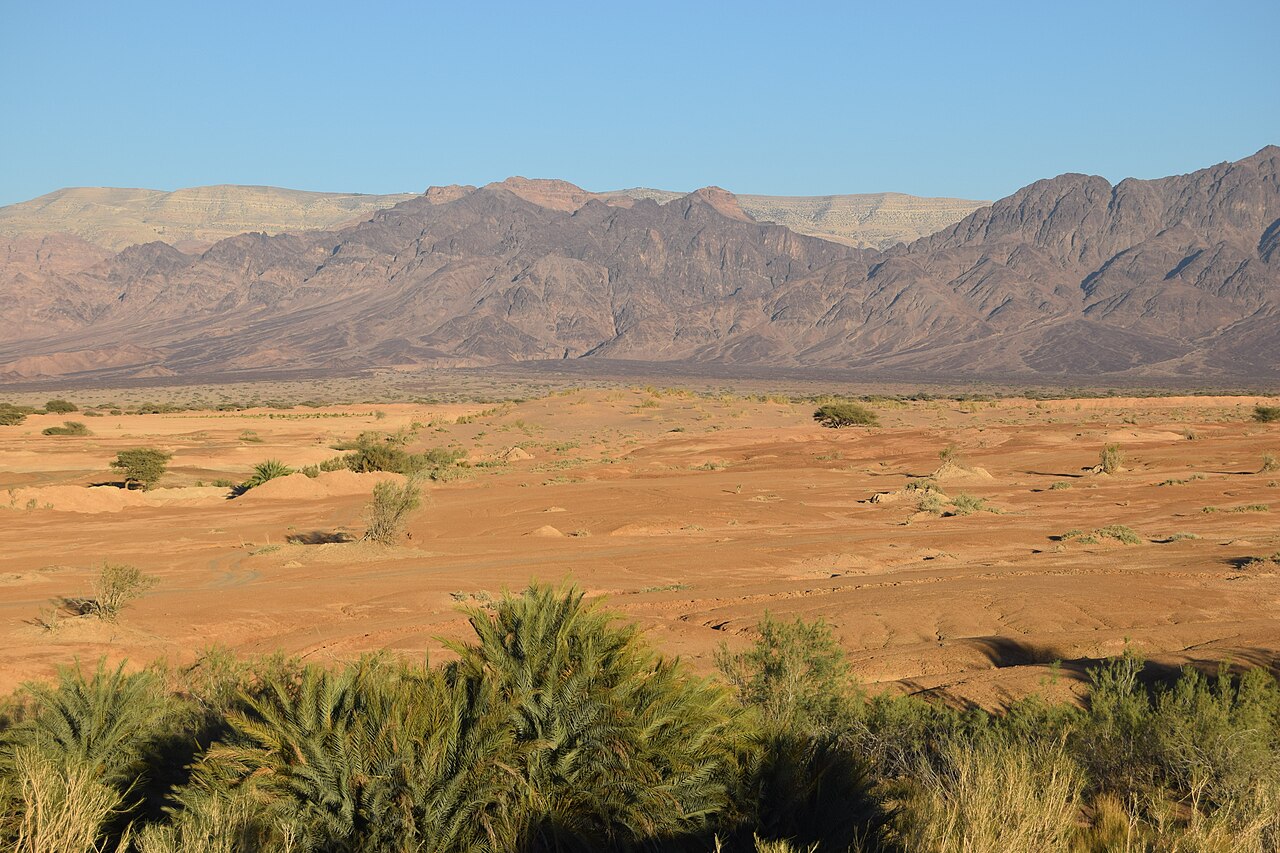
"In the LORD put I my trust: how say ye to my soul, Flee as a bird to your mountain? For, lo, the wicked bend their bow, they make ready their arrow upon the string, that they may privily shoot at the upright in heart. If the foundations be destroyed, what can the righteous do?" The first three verses quote the frightened advice of others.
"The LORD is in his holy temple, the LORD's throne is in heaven: his eyes behold, his eyelids try, the children of men. The LORD trieth the righteous: but the wicked and him that loveth violence his soul hateth."
"Upon the wicked he shall rain snares, fire and brimstone, and an horrible tempest: this shall be the portion of their cup. For the righteous LORD loveth righteousness; his countenance doth behold the upright." The last line can also be read: "the upright shall behold his face."
Foundations
"Foundations" (shatot) may mean the pillars of social order: law, justice, trust. When they collapse, the advice is to run. The speaker's answer is that God's throne is the real foundation.
Fire and brimstone
"Fire and brimstone" recalls Sodom (Genesis 19:24). "The portion of their cup" is the image of a cup God hands out: blessing (16:5; 23:5) or judgment (75:8; Jeremiah 25:15).
Two voices, two directions
The psalm is built from two speeches. Verses 1–3 quote the advice of the fearful ("Flee as a bird to your mountain… if the foundations be destroyed, what can the righteous do?"); verses 4–7 give the speaker's answer. The advisers look down and away, to the mountains and the crumbling foundations; the speaker looks up: "The LORD is in his holy temple, the LORD's throne is in heaven: his eyes behold, his eyelids try, the children of men." The parallel lines (eyes / eyelids; behold / try) picture God narrowing his eyes to examine.
The title and the Greek
Hebrew: "To the chief Musician, of David" (counted as part of verse 1 here, so Hebrew and English numbering agree). The Greek and Vulgate number this psalm 10 and have "to the end, a psalm of David." The Greek reads 11:6 "he will rain snares" (pagidas), as does the Hebrew pahim; some propose a slight change to pehamim, "coals," which suits fire better. The library's versions all keep "snares."
Seeing God's face
11:7's last line, yeḥezu fanemo, is grammatically ambiguous: "his face beholds the upright" or "the upright will behold his face." The second, a hope of seeing God, matches 17:15 and was favoured by later Jewish and Christian readers.
What the evidence shows
- 11:7 can be read "the upright shall behold his face."
Continue the journey
Connected elsewhere in ScriptureVisitors, Judgment, and SodomGenesis 19:24: Fire and brimstone on Sodom.More from this lesson
Why this matters to the rest of Scripture
- Fire and brimstone on Sodom.
- "I will behold thy face in righteousness."