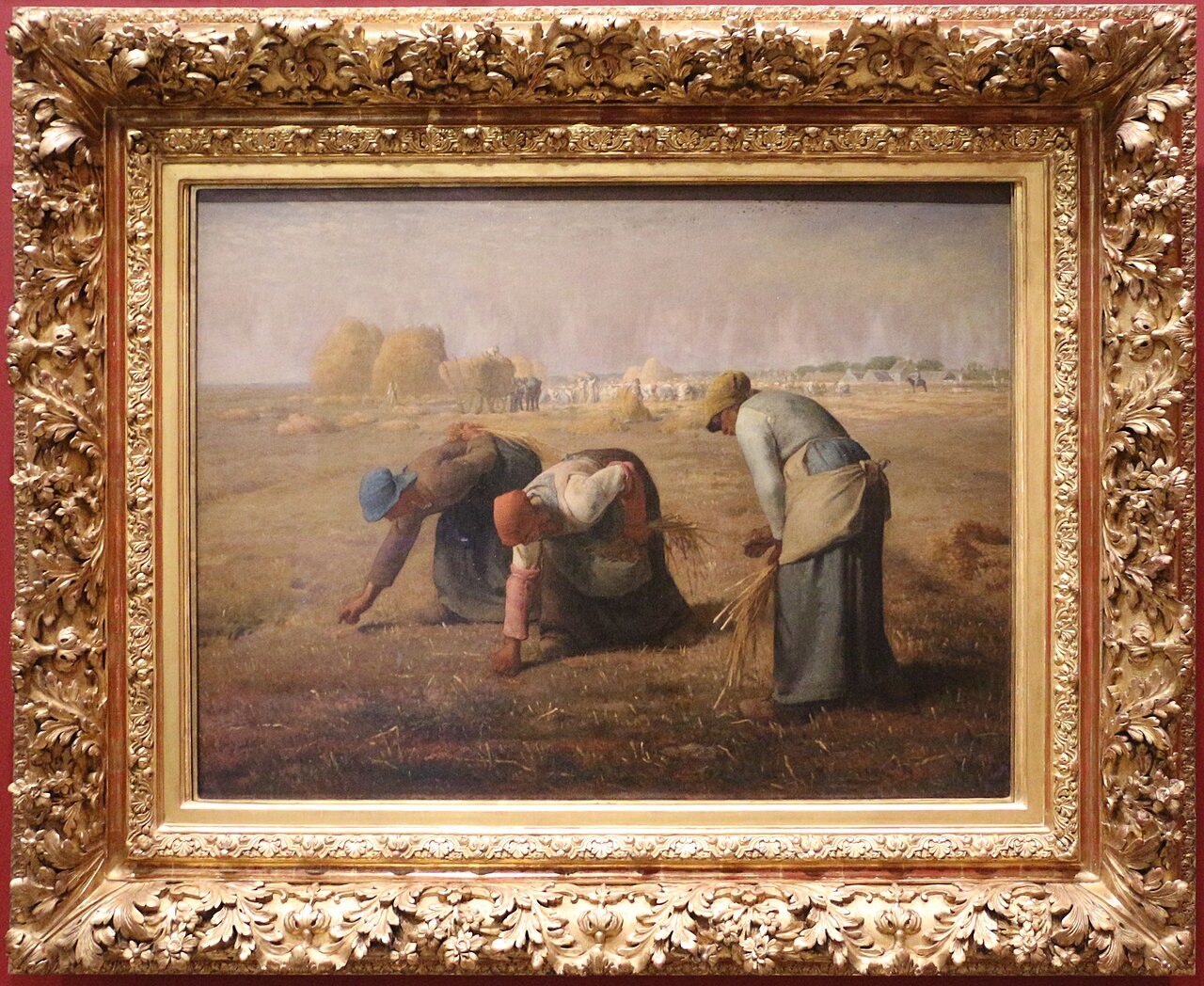
"Blessed is every one that feareth the LORD; that walketh in his ways. For thou shalt eat the labour of thine hands: happy shalt thou be, and it shall be well with thee. Thy wife shall be as a fruitful vine by the sides of thine house: thy children like olive plants round about thy table. Behold, that thus shall the man be blessed that feareth the LORD."
"The LORD shall bless thee out of Zion: and thou shalt see the good of Jerusalem all the days of thy life. Yea, thou shalt see thy children's children, and peace upon Israel."
Vine and olive shoots
Grapevines trained against the house wall and young olive shoots springing up around an old tree were familiar sights in Judean farms. The images picture a household secure enough to eat what it grows (compare Deuteronomy 28:30–33, where enemies eat it instead) and to see grandchildren.
An ideal from a patriarchal world
The psalm addresses a man and describes his wife and children as his blessings, reflecting the household structure of ancient Israel. It describes an ideal of security and peace; it is not a measure by which those without spouses or children are less blessed. It is used in Jewish and Christian wedding liturgies. The heading "A Song of degrees" (Vulgate "Canticum graduum") marks it as one of the fifteen Songs of Ascents (Psalms 120–134; see Psalm 120 for the possible meanings).
Setting and versions
The setting is the farming household of the Judean hills, joined to the blessing "out of Zion," the temple, so that home and sanctuary are linked. The library's Vulgate begins "Beati omnes qui timent Dominum" and agrees with the Hebrew in substance (D check).
What the evidence shows
- Psalm 128 is used in wedding liturgies.
Continue the journey
Connected in this bookPsalm 127: Unless the LORD Builds the HousePsalm 127:3–5: Children as a heritage.More from this lesson
Why this matters to the rest of Scripture
- Children as a heritage.
- "Every man under his vine and under his fig tree."