Psalm 82: God Judges Among the Gods
"Ye are gods… but ye shall die like men"
"God standeth in the congregation of the mighty; he judgeth among the gods. How long will ye judge unjustly, and accept the persons of the wicked? Selah. Defend the poor and fatherless: do justice to the afflicted and needy. Deliver the poor and needy: rid them out of the hand of the wicked."
"They know not, neither will they understand; they walk on in darkness: all the foundations of the earth are out of course. I have said, Ye are gods; and all of you are children of the most High. But ye shall die like men, and fall like one of the princes. Arise, O God, judge the earth: for thou shalt inherit all nations."
The divine council
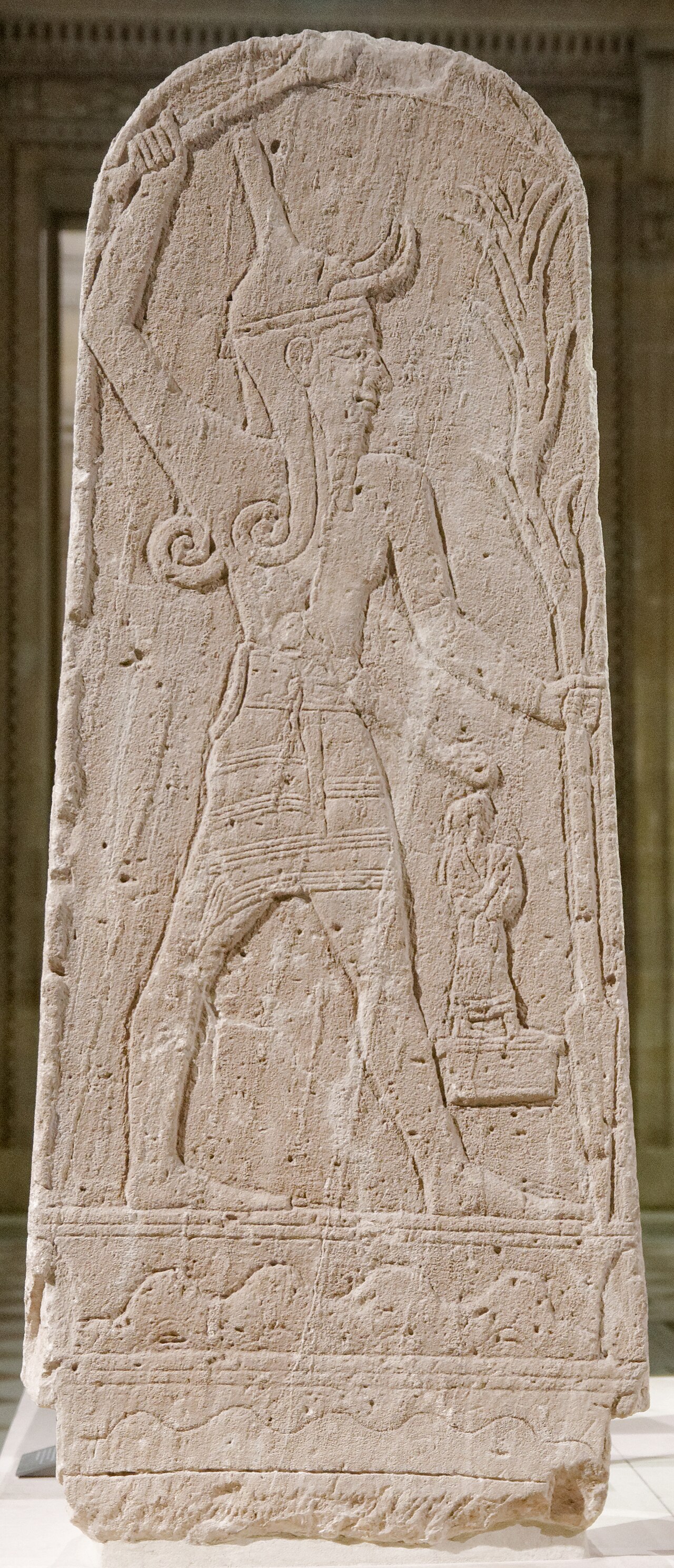
"The congregation of El" ('adat el) is the heavenly assembly, pictured in 1 Kings 22:19, Job 1–2 and Isaiah 6. Ugaritic texts describe the assembly of the gods around El, "the council of the sons of El." Psalm 82 uses the image to put the gods of the nations, or the powers behind them, on trial (compare Deuteronomy 32:8, where Qumran and Greek texts speak of the nations divided "according to the number of the sons of God").
Justice as the test
The charge is social: favouring the wicked, neglecting the poor and fatherless. When those entrusted with justice fail, "all the foundations of the earth are out of course": injustice shakes the order of creation itself.
Gods, angels or judges?
Who are the elohim? (1) Heavenly beings or the gods of the nations, condemned to die like mortals: the reading suggested by the council setting and by v. 7. (2) Human judges, called "gods" because they represent God's justice: a reading found in the Targum and much Jewish and Christian interpretation (compare Exodus 21:6, where elohim may mean judges). (3) Israel at Sinai, in some rabbinic readings. The text supports the first most naturally; the others have long histories.
Investigated in depth
The Hebrew terminology, the divine-council traditions of Ugarit and the Bible, the Jewish readings (heavenly beings, judges, Israel at Sinai, 11QMelchizedek) and the Christian readings are weighed in the Ancient Mysteries investigation "Psalm 82: Who Are the 'Gods'?", which separates readings of the poem's original meaning (where the evidence favours heavenly beings) from later Jewish and Christian reception.
"Ye are gods" in John 10
In John 10:34–36 Jesus quotes 82:6 ("Is it not written in your law, I said, Ye are gods?") to answer the charge of blasphemy: if Scripture called those "gods" to whom the word of God came, how much more the one the Father sanctified. The argument assumes a reading in which humans are addressed. The library's Vulgate: "Ego dixi: Dii estis."
The heading and the Tuesday psalm
"A Psalm of Asaph." The Mishnah (Tamid 7:4) lists Psalm 82 as the Levites' Tuesday psalm.
What the evidence shows
- Psalm 82 depicts a divine council.
- The elohim of Psalm 82 are human judges.
- John 10:34 quotes 82:6.
Continue the journey
Journey of a PassagePsalm 82:6: "I have said, Ye are gods" and John 10:34"I have said, Ye are gods (elohim); and all of you are children of the most High." Every witness in the library agrees.More from this lesson
Investigations
Optional deep dives: the ancient sources, the physical evidence, and every interpretation side by side, including unconventional ones, each labeled for what it is.
Psalm 82: Who Are the "Gods"?Text: stable in the library's witnesses (D) · Original meaning: heavenly beings best supported, human judges possible · Divine-council background: supported
When God "judgeth among the gods," who is on trial: heavenly beings, the gods of the nations, human judges, or Israel?
Psalm 82 opens in a heavenly courtroom: "God (elohim) standeth in the congregation of El; he judgeth among the gods (elohim)." He condemns them for failing the poor and orphan, then pronounces: "I have said, Ye are gods… But ye shall die like men." Ancient Near Eastern texts describe a council of gods around a high god; the Bible pictures God's heavenly court in several places. Jewish and Christian readers have understood the "gods" as heavenly beings, as the gods of the nations, as human judges, or as Israel at Sinai. In John 10:34–36 Jesus quotes v. 6. No single reading is the uncontested original meaning.
Open the full investigation →Why this matters to the rest of Scripture
- "Ye are gods."
- The host of heaven around the throne.
- "Do ye indeed speak righteousness?"