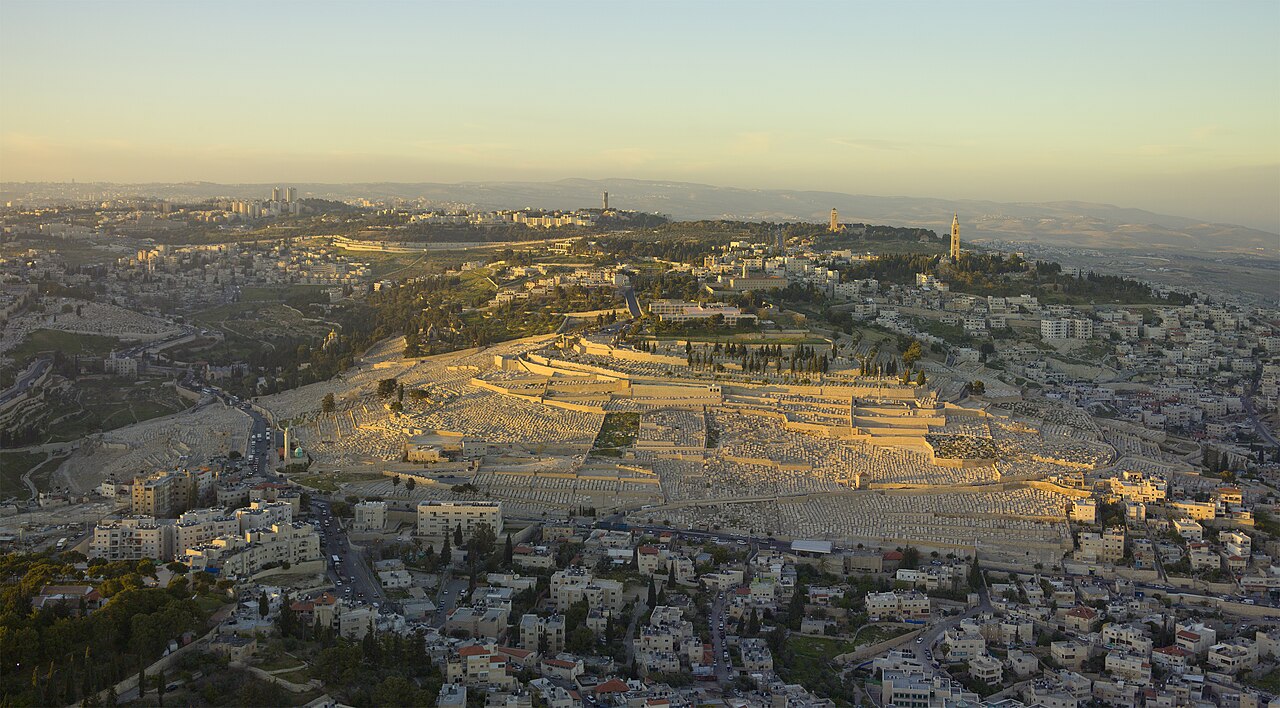
"I will lift up mine eyes unto the hills, from whence cometh my help. My help cometh from the LORD, which made heaven and earth. He will not suffer thy foot to be moved: he that keepeth thee will not slumber. Behold, he that keepeth Israel shall neither slumber nor sleep."
"The LORD is thy keeper: the LORD is thy shade upon thy right hand. The sun shall not smite thee by day, nor the moon by night. The LORD shall preserve thee from all evil: he shall preserve thy soul. The LORD shall preserve thy going out and thy coming in from this time forth, and even for evermore."
A question in v. 1
"From whence cometh my help?" is a question (Hebrew me'ayin): the traveller looks at the hills, which may hold danger (bandits, shrines of other gods on high places) or the destination (Zion). The answer: help comes not from the hills but from their Maker.
Keeper
The verb shamar ("keep, guard, preserve") runs through the second half, applied to feet, sleep, shade, sun and moon, soul, going out and coming in. Sunstroke and "moonstroke" (believed to cause illness) cover every danger of a journey by day and night.
Later use
Psalm 121 became a traveller's psalm and a prayer at sickbeds and births; Jewish amulets for a mother and newborn often bear it under the name Shir ha-Ma'alot. It was among the Songs of Ascents sung at the little hours in Benedict's Rule.
A blessing for travellers
The psalm moves from "my help" (v. 2) to "thy keeper" (v. 5): perhaps a pilgrim's words answered by a priest's or companion's blessing. Its heading differs slightly from the others, shir la-ma'alot ("a song for the ascents"). Psalms 120–134 each carry the heading "A Song of degrees" (shir ha-ma'alot, "song of the ascents"; Vulgate "Canticum graduum"). Proposals for the meaning: songs for pilgrims going up to Jerusalem; songs sung on the fifteen steps between the temple courts (the Mishnah, Middot 2:5 and Sukkah 5:4, mentions fifteen steps on which the Levites sang); songs of the return from Babylon (Ezra 7:9 calls it "the going up"); or a poetic style in which a word is picked up and repeated, step by step. The first is most widely held; none is certain.
What the evidence shows
- 121:1 can be read as a question.
- Psalm 121 was a blessing for pilgrims setting out.
Continue the journey
Connected elsewhere in ScriptureThe Blessings and the CursesDeuteronomy 28:6: "Blessed shalt thou be when thou comest in."More from this lesson
Why this matters to the rest of Scripture
- "Blessed shalt thou be when thou comest in."
- "The LORD bless thee, and keep thee."