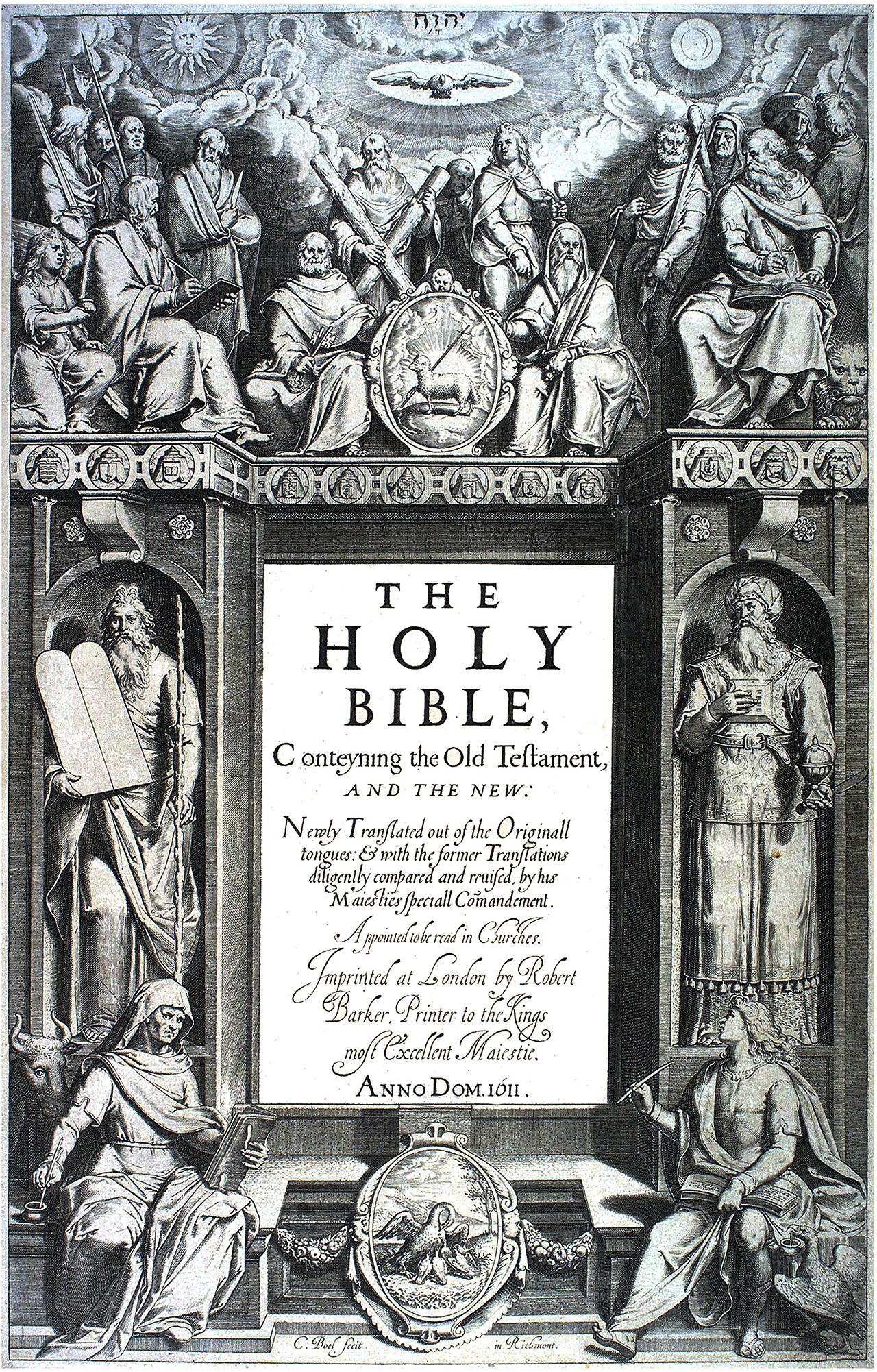
Journey II
How the Bible Came to Us
How Scripture was spoken, written, gathered, copied, guarded, translated, and handed down to the Bible on your shelf. Fifteen short lessons, in order.
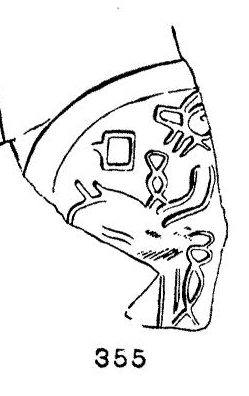
ExploreJourney of a Passage: follow any verse we have documented, from the oldest manuscripts to your Bible- 1c. 3200–1000 BCBefore the BibleLong before there was a Bible, people remembered, told, and finally wrote down their stories, and the alphabet itself was born near Sinai.
- 2Genesis–DeuteronomyMoses and the TorahWho wrote the five books of Moses, what the Bible itself says about Moses writing, and the oldest surviving words of Scripture.
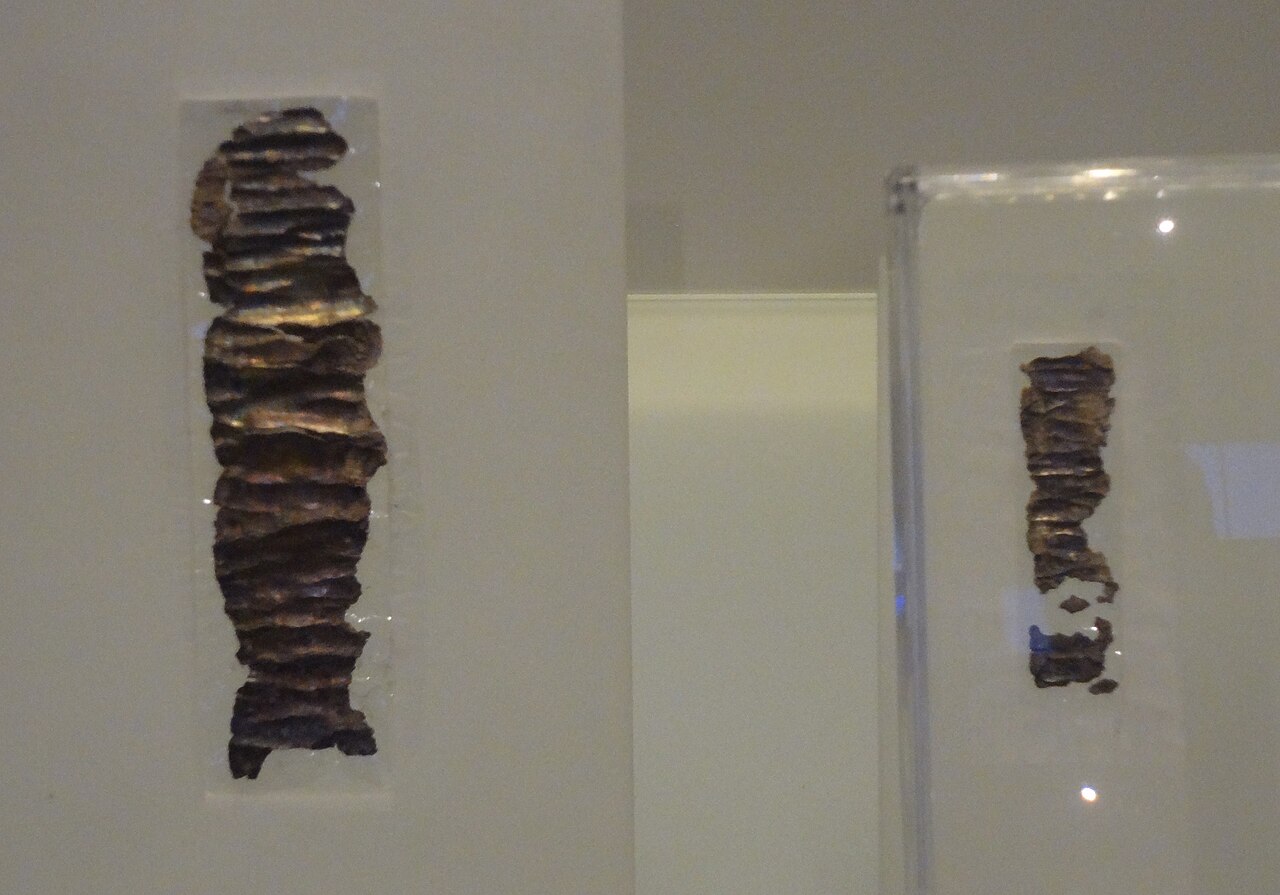
- 3c. 1000–600 BCProphets, Priests, and ScribesAs Israel became a kingdom, royal scribes kept records, prophets' words were written down, and a lost book of the law was found in the Temple.
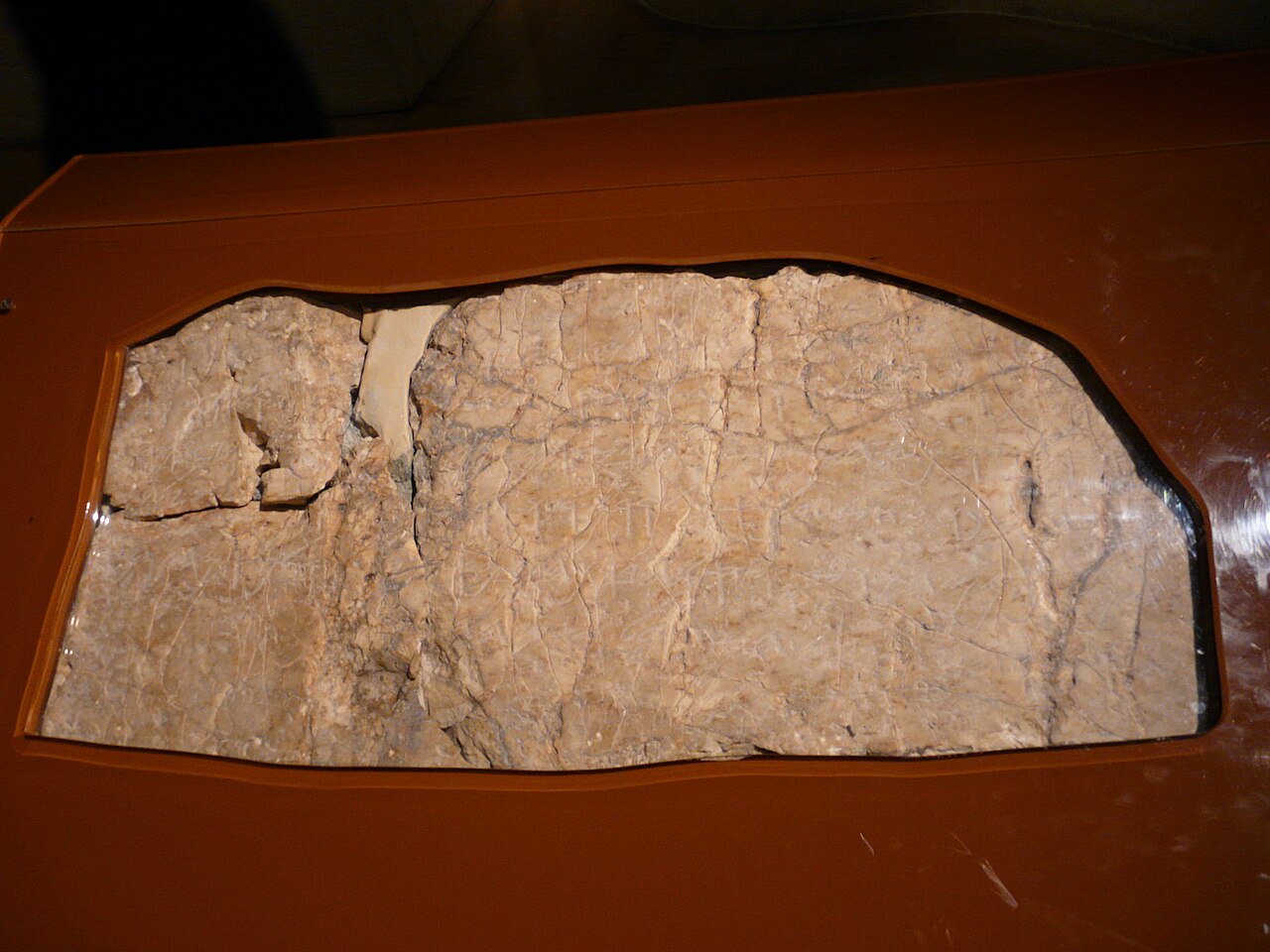
- 4597–539 BCDestruction and ExileBabylon destroyed the Temple and carried Judah into exile, but the Scriptures went with them and became the center of their faith.
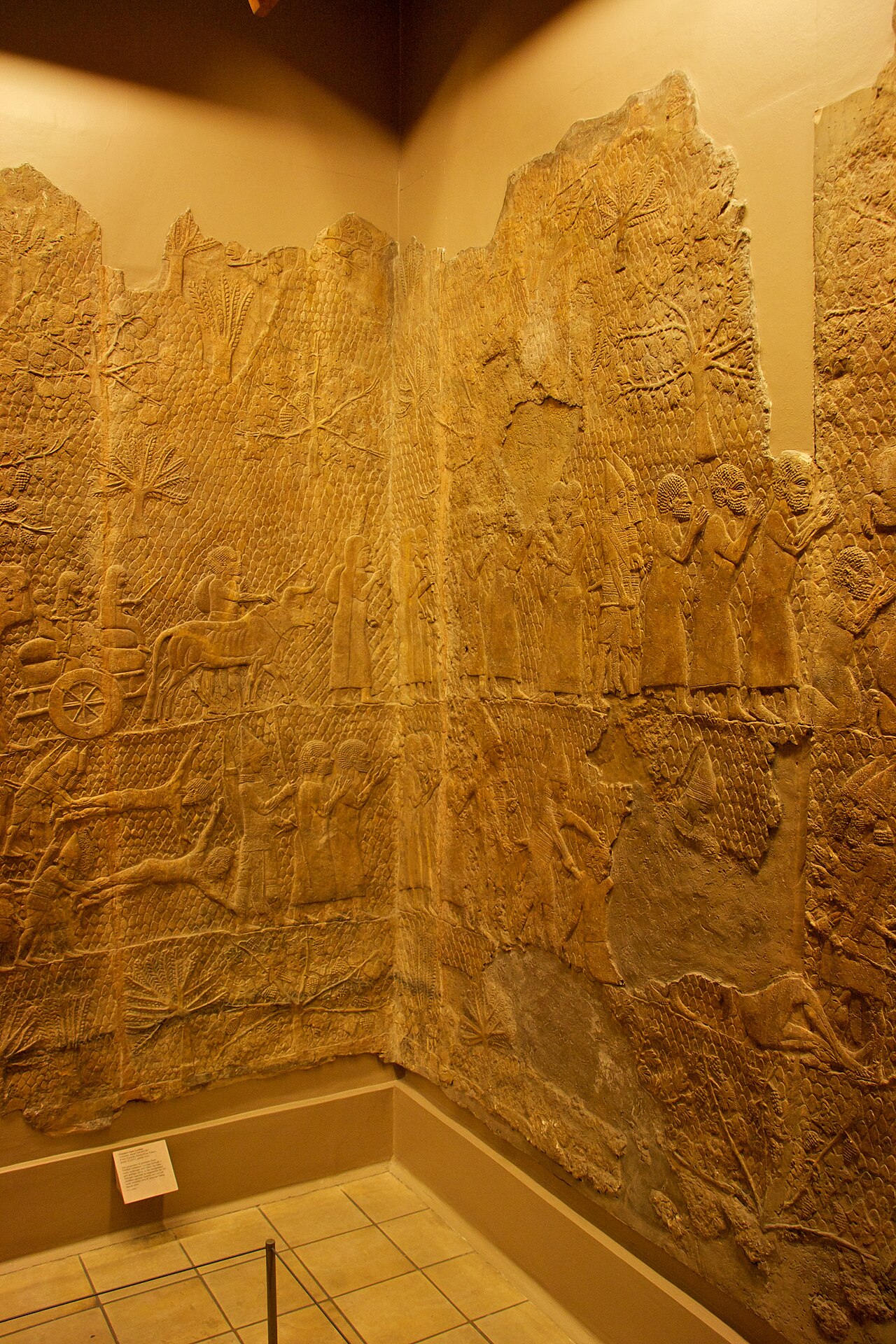
- 5539–400 BCThe Return and EzraPersia let the exiles go home; Ezra read the law to the whole people, and Scripture became the center of Jewish life.
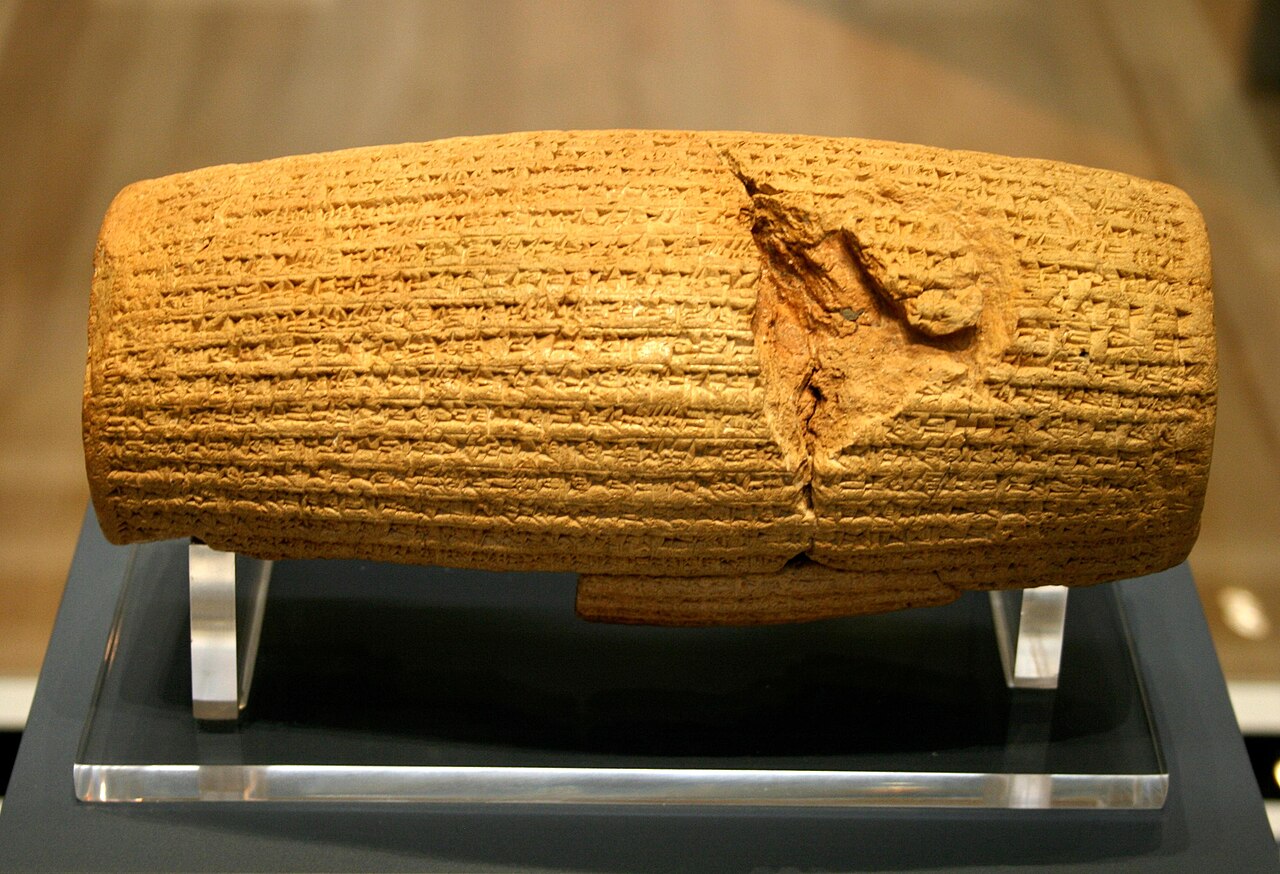
- 6c. 280–100 BCThe SeptuagintJews in Egypt translated their Scriptures into Greek, creating the Bible of the early church and of the New Testament writers.
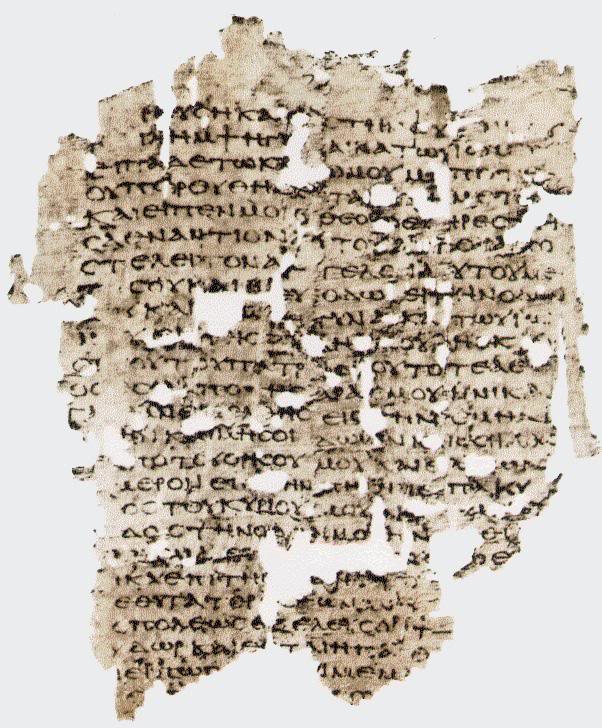
- 7c. 250 BC – AD 68 (found 1947)The Dead Sea ScrollsA shepherd's discovery in 1947 gave us Bible manuscripts a thousand years older than any known before, and showed how faithfully the text was kept.
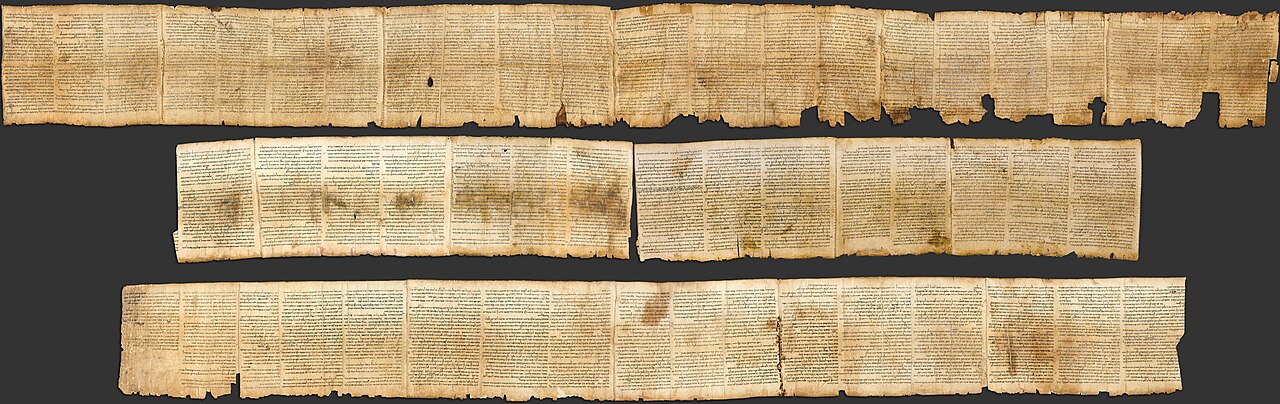
- 8300 BC – AD 100Hebrew, Greek, and SamaritanThree ancient lines of copying, Hebrew, Greek, and Samaritan, let us compare the text and see where it was preserved and where it changed.
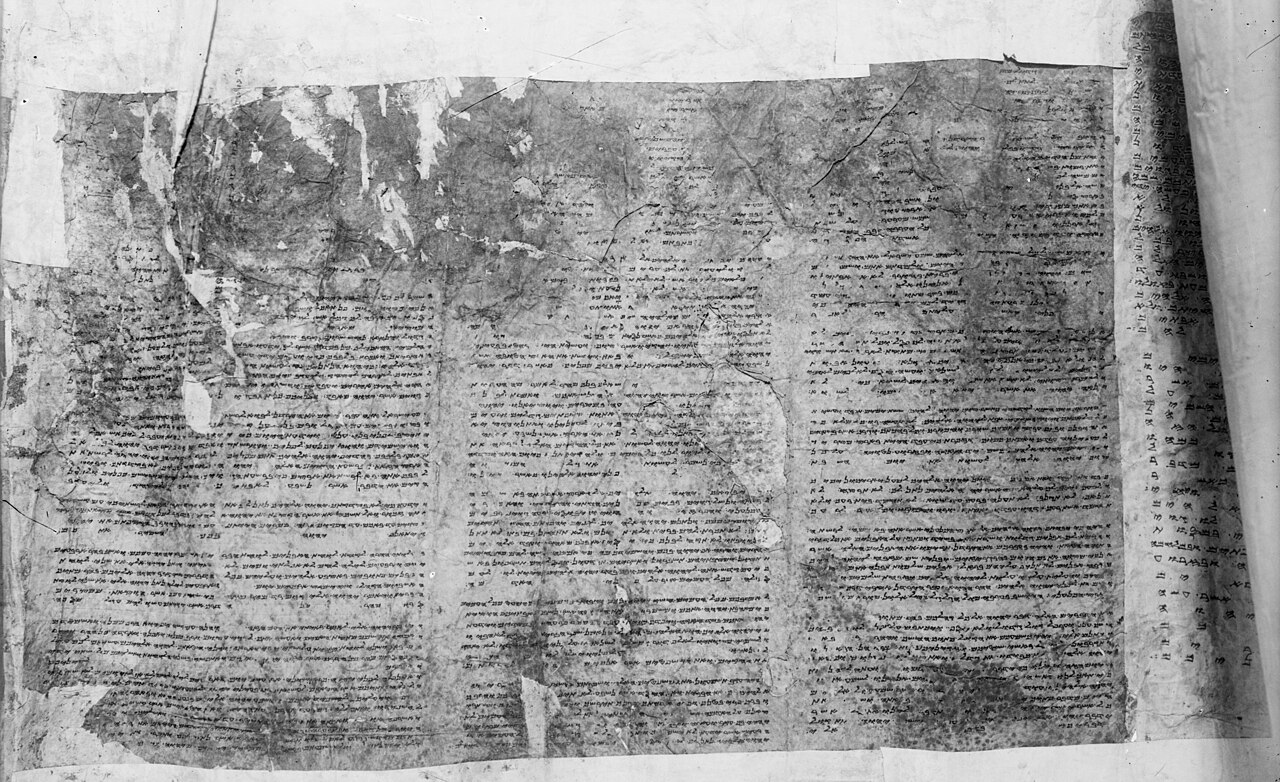
- 9c. AD 30–100Writing the New TestamentThe first followers of Jesus spread his story by word of mouth, then in letters and Gospels written within living memory.
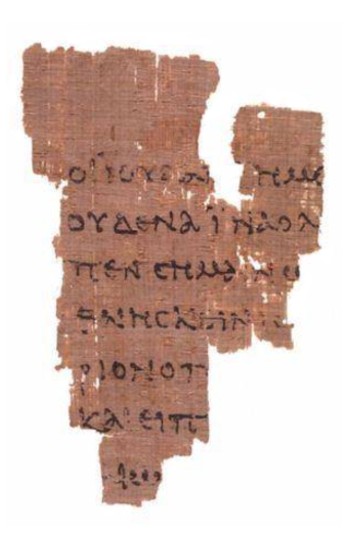
- 10AD 100–300Which Writings Were Scripture?Churches read the apostles' writings in worship, defended them against rivals, and gradually agreed on the books we call the New Testament.
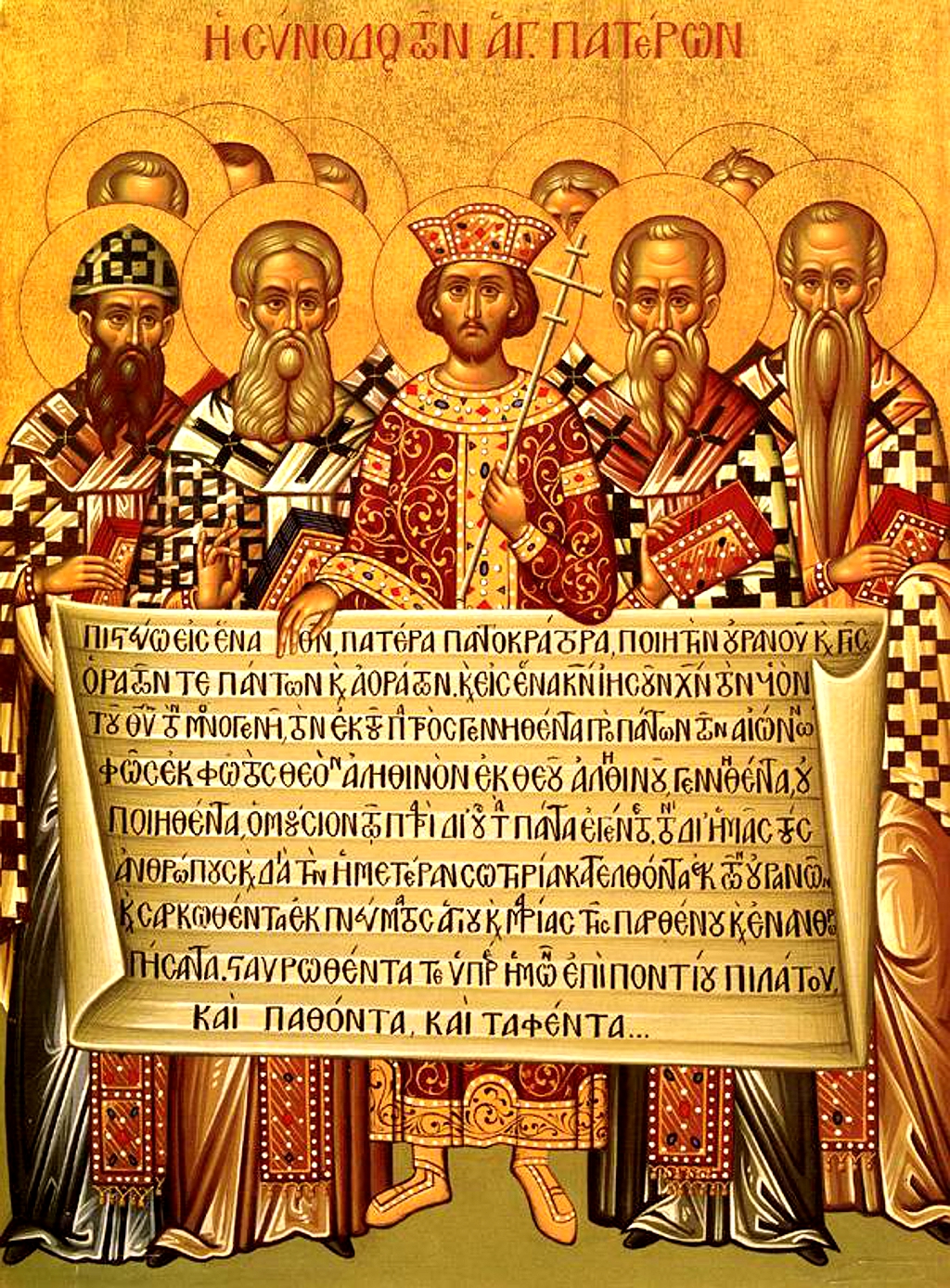
- 11AD 325–420Constantine, Nicaea, and the CanonThe popular story says Constantine picked the books of the Bible at Nicaea. The records show something quite different.
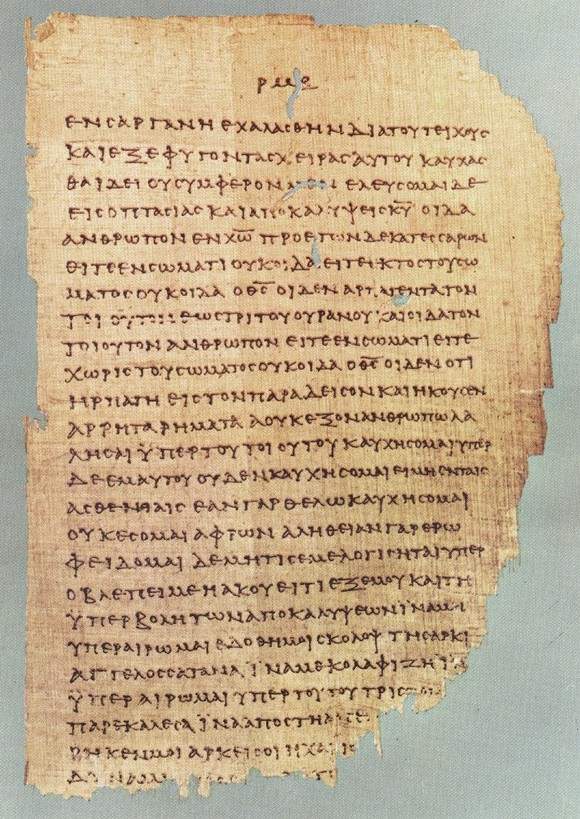
- 12AD 300–450The Great CodicesChristians adopted the book form early, and in the 4th century produced the first great Bibles bound in single volumes.
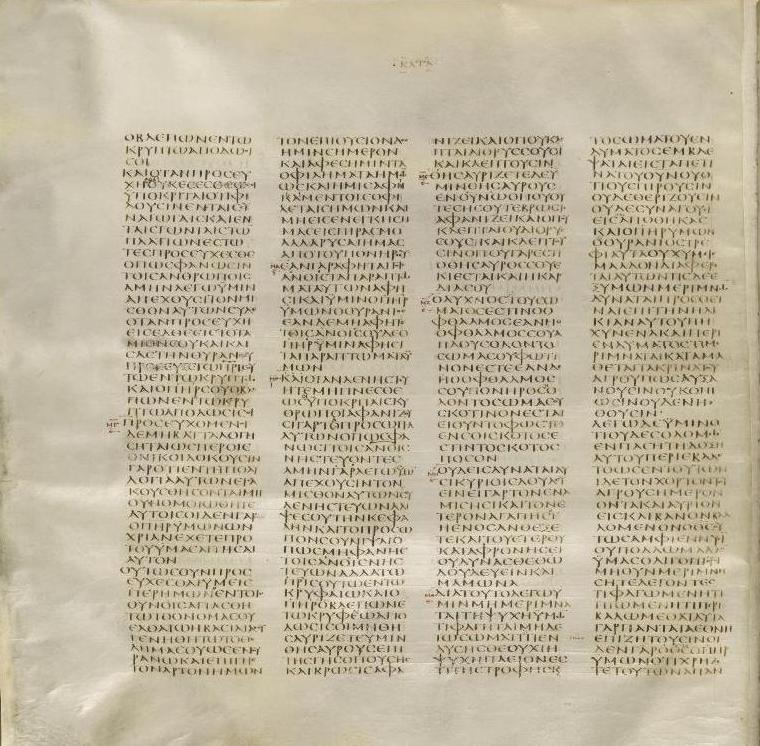
- 13AD 400–1450Scribes, Jerome, and the MasoretesJerome gave the West its Latin Bible; Jewish scholars called the Masoretes guarded the Hebrew text letter by letter.
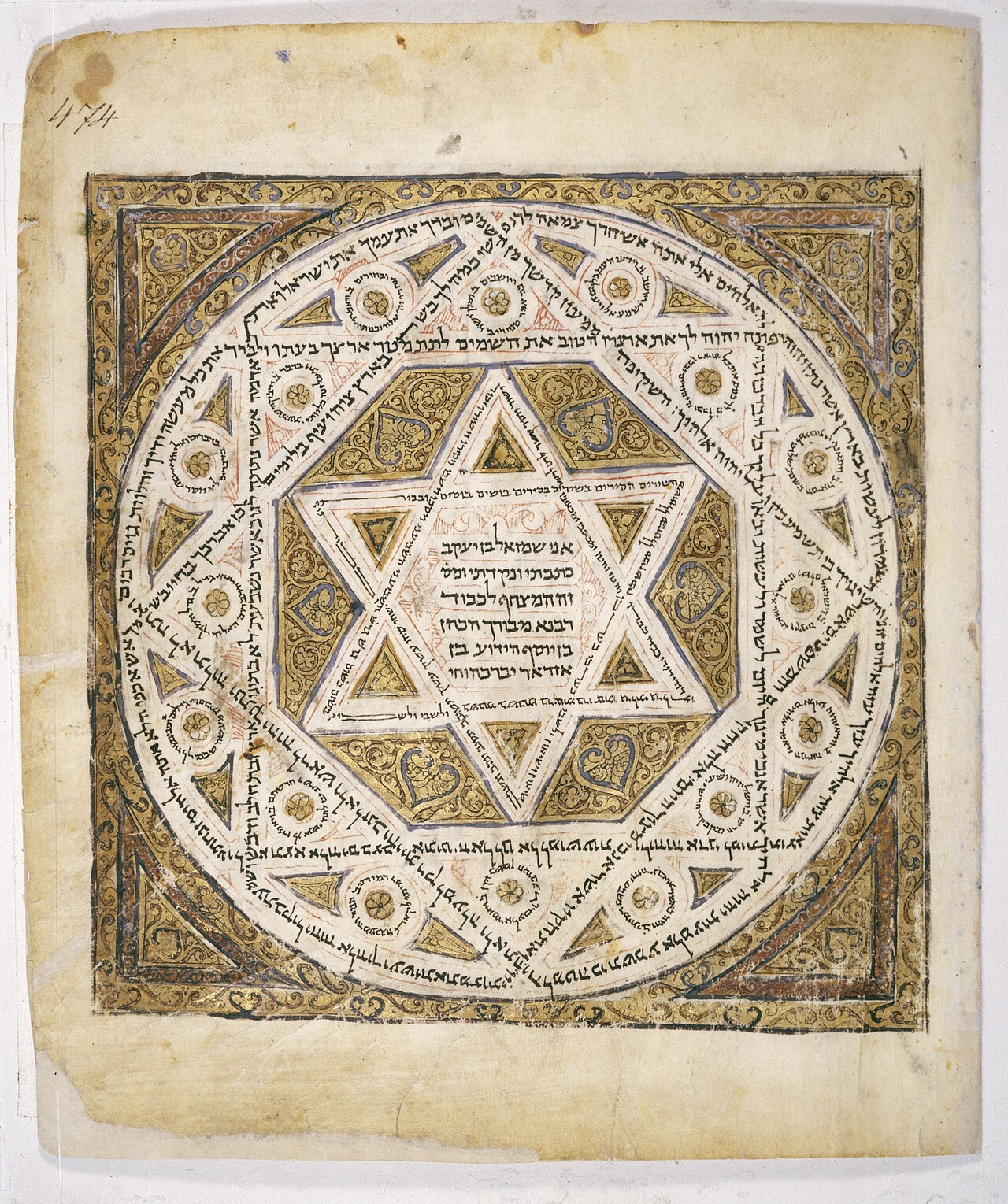
- 141450–1611Gutenberg, Tyndale, and the King James BibleThe printing press, the Reformation, and translators willing to die for it put the Bible into ordinary hands.
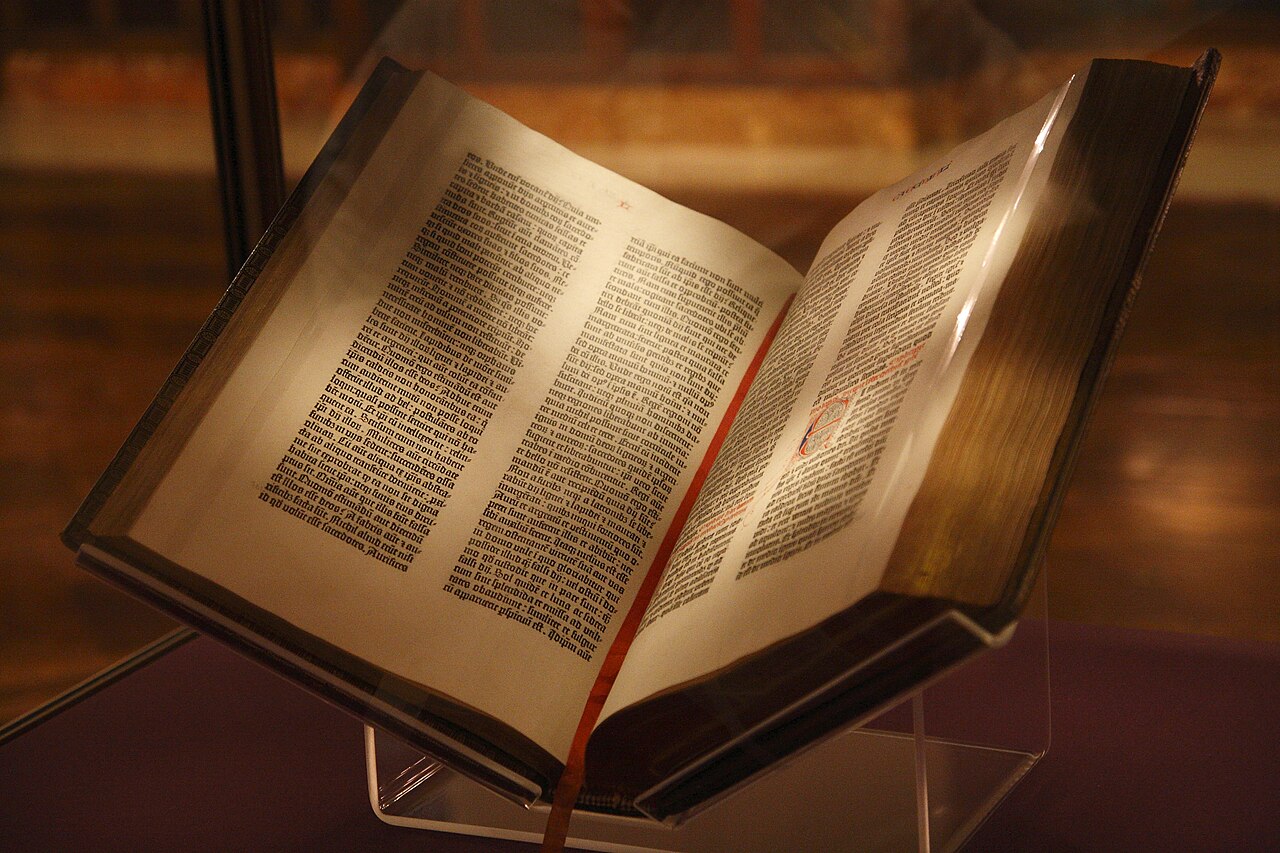
- 15TodayWhy Our Bibles Differ TodayWhy Catholic and Protestant Bibles have different books, why modern Bibles have footnotes, and why translations read differently.