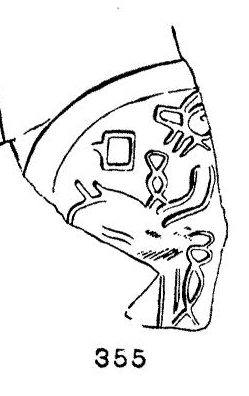
The Bible was not written all at once, and it was not the first writing in the world. Before a single word of Scripture was set down, the peoples of the ancient Near East were already telling and writing their stories.
Around 3200 BC, scribes in Mesopotamia began pressing wedge-shaped marks into wet clay. This writing, called cuneiform, started with lists of grain and sheep and grew into laws, prayers, letters, and epics like Gilgamesh. Egypt developed hieroglyphs at about the same time.
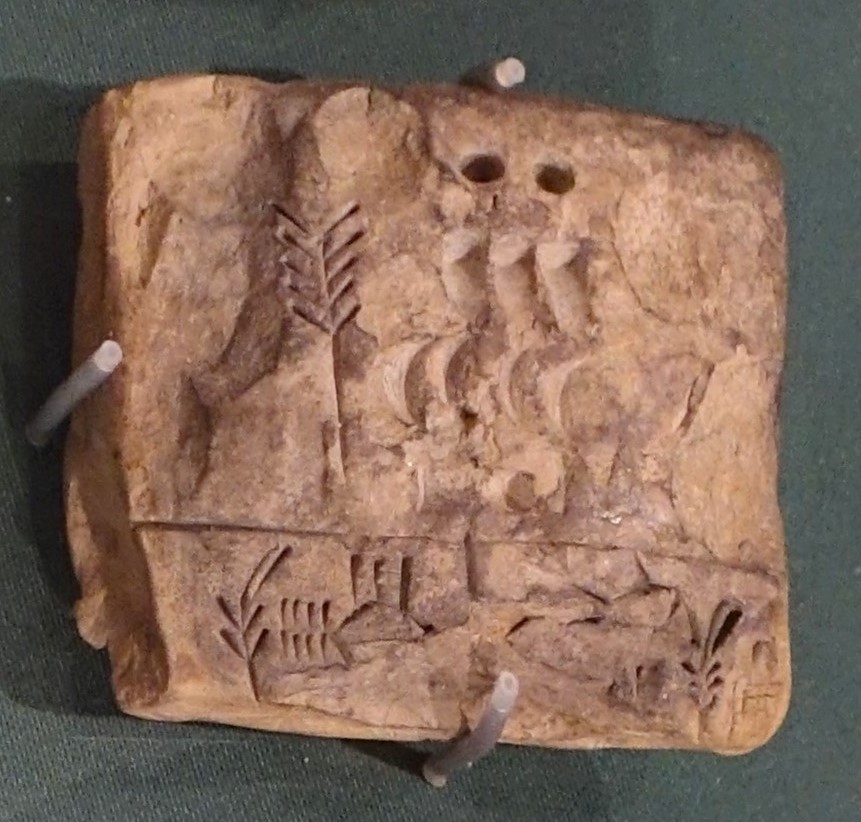
Both systems needed hundreds of signs and years of training, so writing belonged to a small class of professional scribes. Most people carried their history in memory: family stories, songs, genealogies, and sayings, passed carefully from parents to children.
Then something remarkable happened. Around 1800 BC, Semitic-speaking workers at Egyptian turquoise mines in the Sinai Peninsula scratched short inscriptions using a new kind of writing: about two dozen signs, each standing for a single sound. It was the world's first alphabet. Every alphabet used today, Hebrew, Greek, Latin, and English included, descends from it.
From pictures to letters
The Sinai inscriptions, found at Serabit el-Khadim in the early 1900s, borrowed Egyptian pictures but used them as sounds. The picture of an ox head (alp) stood for its first sound. Turned on its side over centuries, it became the Hebrew aleph, the Greek alpha, and our letter A.
| Script | Approximate date | Signs |
|---|---|---|
| Cuneiform (Mesopotamia) | From c. 3200 BC | Hundreds |
| Hieroglyphs (Egypt) | From c. 3200 BC | Hundreds |
| Proto-Sinaitic alphabet | c. 1800–1500 BC | About 22–30 |
| Paleo-Hebrew alphabet | From c. 1000 BC | 22 |
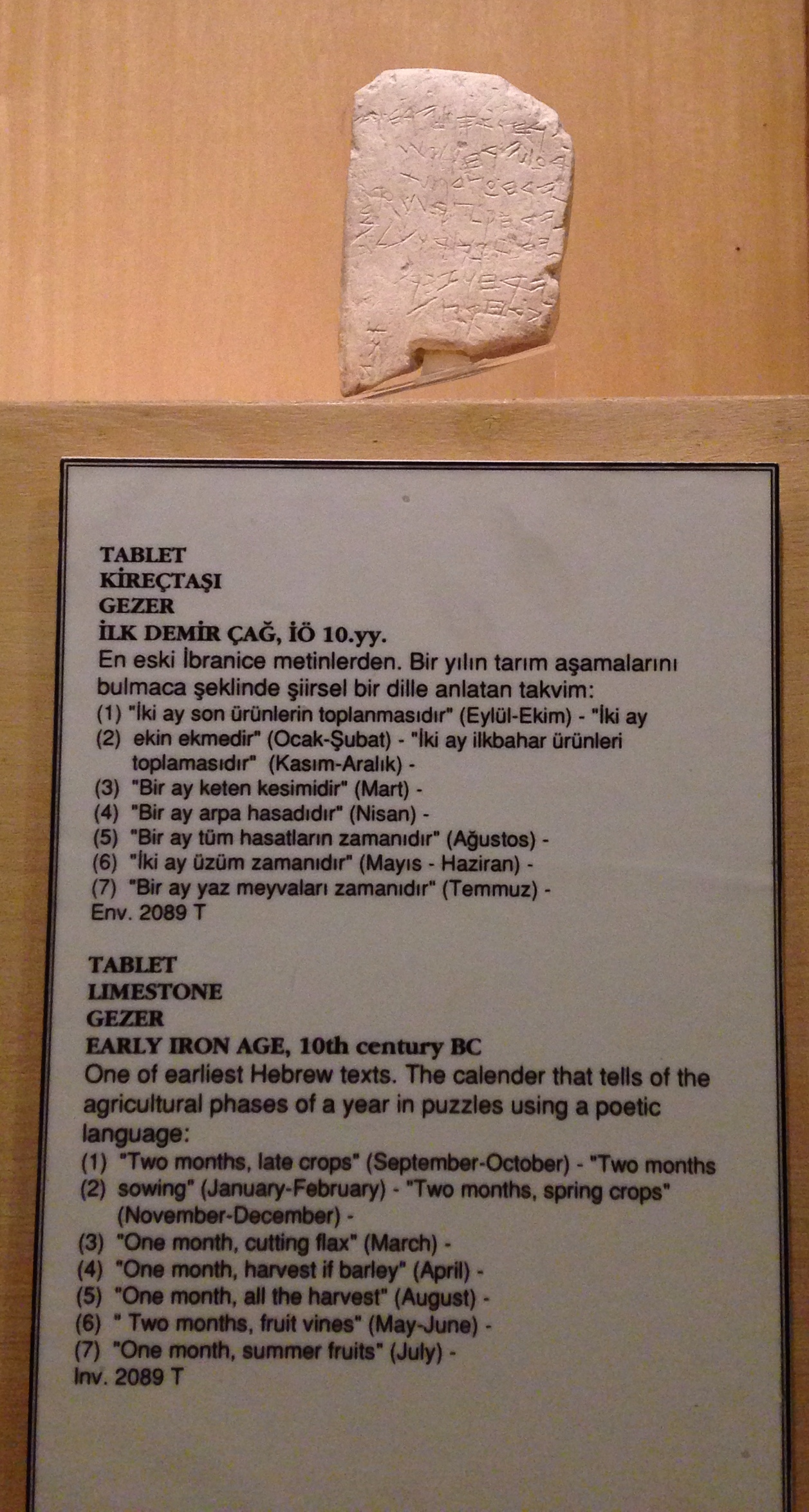
By the time of Israel's early kings, Hebrew was being written in its own alphabet. One of the oldest examples is the Gezer Calendar, a small limestone tablet from about the 10th century BC listing the months of the farming year, perhaps a schoolboy's practice exercise.
How reliable is memory?
Modern readers sometimes assume oral tradition is like a game of telephone. Studies of traditional societies show something different: when a community treats a story as sacred, it is often preserved with great care, through repetition, song, and correction by the group. Genesis itself is organized around ten family records that begin "These are the generations of…", a form that suits carefully kept ancestral memory.
What the evidence establishes
What the evidence shows
- Writing existed in Mesopotamia and Egypt more than a thousand years before the traditional date of Moses.
- The first alphabet was used by Semitic speakers in the Egyptian-Sinai region around 1800–1500 BC. Exact dating and decipherment of individual inscriptions are debated.
- Hebrew was written in its own alphabet by about the 10th century BC. Gezer Calendar and other early inscriptions.
- Some Proto-Sinaitic inscriptions name biblical figures such as Moses. Proposed by Douglas Petrovich; most epigraphers do not accept these readings.Source: Petrovich, The World's Oldest Alphabet (2016)
- Israel's earliest traditions were carefully preserved before being written.
Continue the journey
Connected elsewhere in ScriptureWater from the Rock and AmalekExodus 17:14: "Write this for a memorial in a book": the first time the Bible mentions writing.More from this lesson
Connections
- "Write this for a memorial in a book": the first time the Bible mentions writing.
- Parents are to teach God's words to their children and write them on doorposts.
- The first of Genesis' "generations" (toledot) sections.
Sources to explore
Overviews are a starting point. Each links onward to the primary sources and specialist studies behind it.