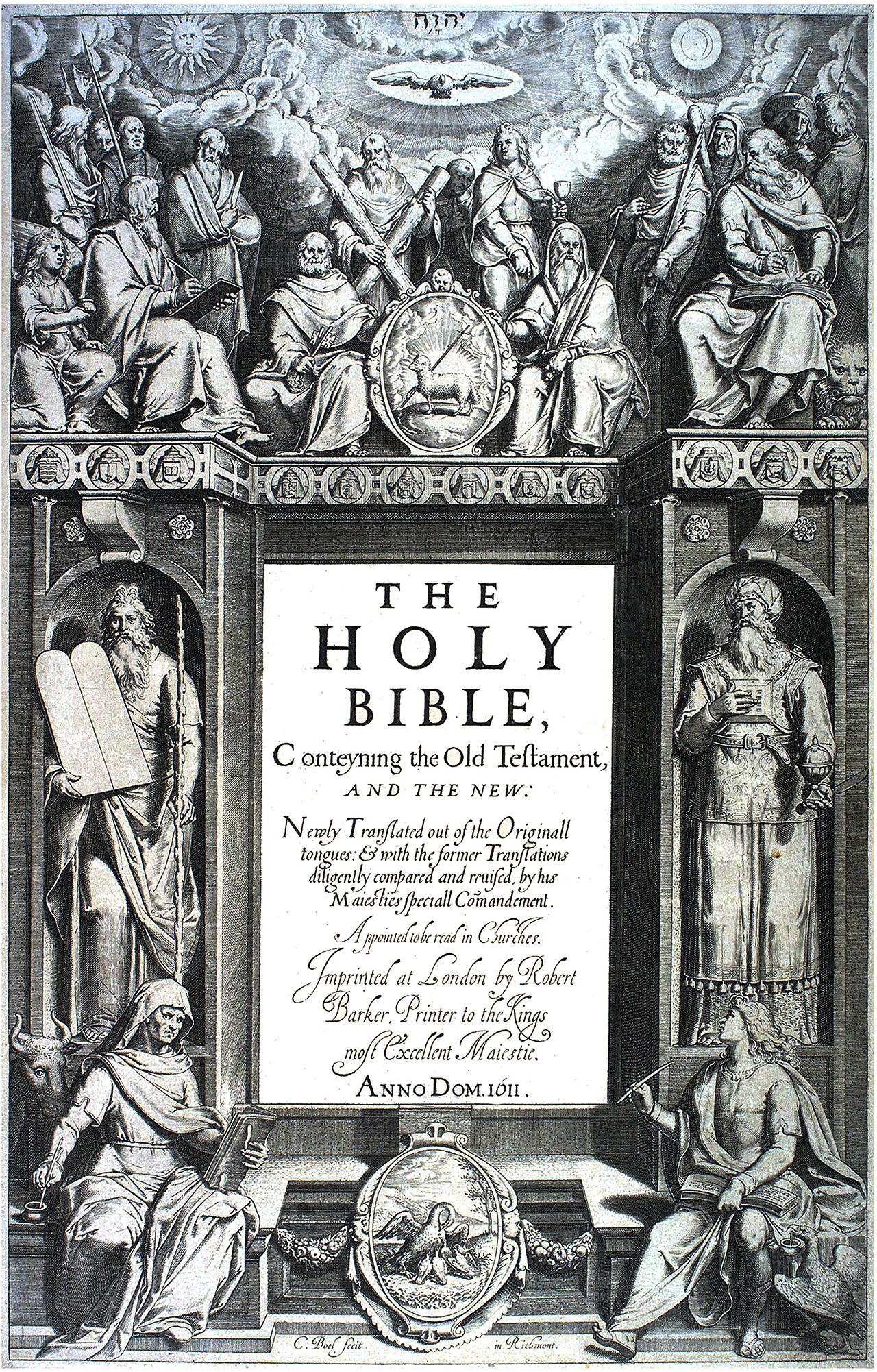
Walk into a bookstore and you will find dozens of Bibles: KJV, NIV, ESV, NKJV, NASB, Catholic, Orthodox. Some have more books, some read differently, some have footnotes saying "some manuscripts add…". It can be unsettling. But every difference falls into one of three kinds, and once you know them, the picture becomes clear.
The three kinds of difference
- 1. Which books (canon)
- Traditions recognize different collections, especially in the Old Testament.
- 2. Which wording (textual variants)
- Ancient manuscripts differ in places, and translators must choose which reading is earliest.
- 3. How to translate
- Translators balance word-for-word accuracy against natural, readable English.
1. Which books
| Tradition | Books | What is different |
|---|---|---|
| Jewish Tanakh | 24 | Old Testament only; same text as the Protestant Old Testament, counted differently |
| Protestant | 66 | 39 Old Testament + 27 New Testament |
| Catholic | 73 | Adds Tobit, Judith, Wisdom, Sirach, Baruch, 1–2 Maccabees, and parts of Esther and Daniel |
| Eastern Orthodox | About 76–79 | Adds 1 Esdras, 3 Maccabees, Prayer of Manasseh, Psalm 151, and others |
| Ethiopian Orthodox | 81 | Also includes 1 Enoch and Jubilees |
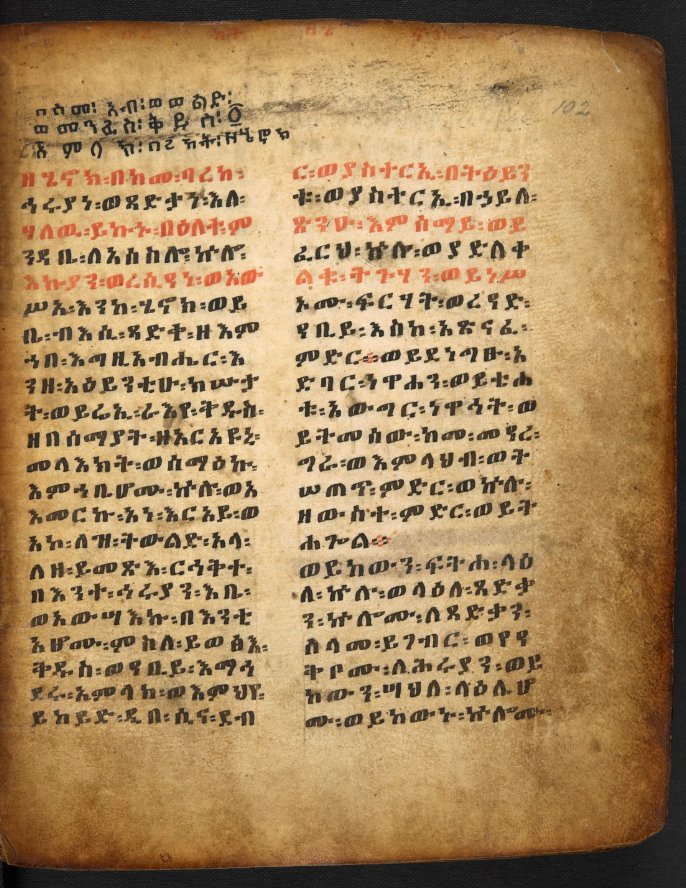
The Christian traditions agree on the New Testament's 27 books; the Ethiopian broader canon also adds some church-order writings. The differences are about the Old Testament, and they trace back to the Greek Septuagint's larger collection versus the Hebrew Bible's.
2. Which wording
Three passages are the best-known examples, and modern Bibles mark all three:
- Mark 16:9–20: missing from the two oldest complete manuscripts (lesson 12).
- John 7:53–8:11, the woman caught in adultery: missing from the earliest manuscripts and found in different places in later ones. Many believe it is a true story that circulated separately before being placed here.
- 1 John 5:7–8, "the Father, the Word, and the Holy Ghost: and these three are one": found in a few late manuscripts and the KJV, absent from the early Greek manuscripts. The doctrine of the Trinity does not depend on it; it is taught throughout the New Testament.
3. How to translate
Genesis 1:1 in four translations
- KJV (1611)
- In the beginning God created the heaven and the earth.
- ESV (word-for-word)
- In the beginning, God created the heavens and the earth.
- NIV (balance)
- In the beginning God created the heavens and the earth.
- What differs
- Hebrew shamayim is a plural form, so modern versions say "heavens." Same meaning, different English.
How much of the text is in doubt?
There are over 5,800 Greek New Testament manuscripts and fragments, more than for any other ancient book, plus thousands in Latin and other languages. Because there are so many copies, there are many variants, most of them spelling, word order, or obvious slips. The great majority do not affect meaning at all. The comparatively few that do are discussed openly in footnotes and scholarly editions.
What the evidence shows
- The New Testament survives in more manuscripts than any other ancient text.Source: Metzger & Ehrman, The Text of the New Testament, 4th ed. (2005), ch. 2
- Most variants are spelling, word order, or copying slips.
- No central Christian teaching depends on a disputed passage alone.
- Books were removed from the Bible to hide the truth. The differences reflect different traditions' collections, documented openly for centuries.
Continue the journey
Journey of a PassageMark 16:9–20: The ending of MarkThe two oldest complete copies of Mark end at 16:8.More from this lesson
Connections
- Journey of a Passage →Follow Mark 16, John 8, 1 John 5:7, and other passages through every surviving witness.
- "Heaven and earth shall pass away, but my words shall not pass away."
- "All scripture is given by inspiration of God."
Sources to explore
- Biblical canon ↗
- The woman taken in adultery (John 7:53–8:11) ↗
- Johannine Comma (1 John 5:7–8) ↗
- Textual criticism of the New Testament ↗
Overviews are a starting point. Each links onward to the primary sources and specialist studies behind it.