Books of Scripture
Nehemiah
A wall, a book and a community under Persia
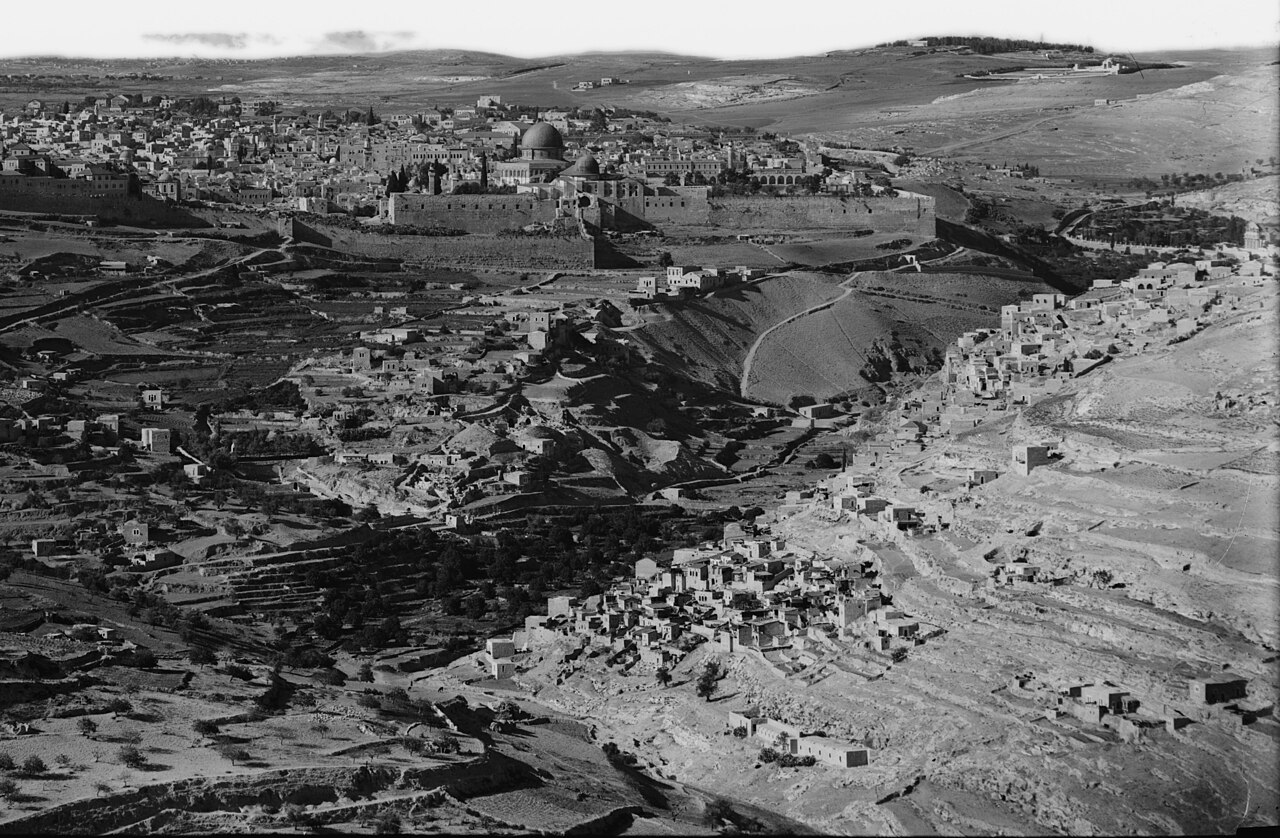
Nehemiah, the second half of the Hebrew book Ezra–Nehemiah, is largely the first-person memoir of a Judean cupbearer to the Persian king Artaxerxes who became governor of Judah around 445 BC. He hears that Jerusalem's walls lie in ruins, wins the king's permission, inspects the walls by night and has them repaired in 52 days by priests, artisans, district rulers and daughters, against mockery and threats from Sanballat, Tobiah and Geshem. He confronts debt slavery among the people, resettles the city, joins Ezra at a great public reading of the law, seals a covenant, and dedicates the wall with two choirs. The book ends with his hard-handed reforms and a prayer: "Remember me, O my God, for good."
Lessons
- 1News from Jerusalem, Prayer in Susa
- 2A Persian Commission and a Midnight Survey
- 3Builders, Daughters, Artisans and Gates
- 4Labor, Ridicule and the Watch
- 5Debt, Land and the Governor's Example
- 6Intrigue, Prophets and the 52 Days
- 7Returning Families and the Disputed Lists
- 8The Public Reading of the Law and Booths
- 9A Nation's Confession across the Generations
- 10Covenant Commitments and the Temple Economy
- 11Families Resettling Jerusalem
- 12Priests, Processions and the Wall Dedication
- 13The Reforms and Their Human Costs
- 14Investigation: Did Archaeologists Find Nehemiah's Wall?
- 15Investigation: Sanballat, Bagohi and the Elephantine Archive
- 16Investigation: Ezra, Nehemiah and the Persian Calendar
How Nehemiah came to us
Who wrote it, how it was copied, and how it reached the Bible you hold. These lessons follow the book through history.
- ★How Nehemiah Came to Us
- 5The Return and Ezra
- 6The Septuagint
- 7The Dead Sea Scrolls
- 13Scribes, Jerome, and the Masoretes
Journey of a Passage
- ¶Nehemiah 1:1; 2:1: Chislev, then Nisan, in the twentieth year
- ¶Nehemiah 2:8: The keeper of the king's pardes
- ¶Nehemiah 2:13–15: The Dragon Well or the Fig Fountain
- ¶Nehemiah 3:5, 12: Shallum's daughters and the Tekoite nobles
- ¶Nehemiah 3:15: The pool of Shelah, or the shearing pool
- ¶Nehemiah 4:1–23 (Hebrew 3:33–4:17): Where chapter 4 begins
- ¶Nehemiah 5:11: "The hundredth": interest, tax or debt?
- ¶Nehemiah 6:10–14: Noadiah: prophetess or prophet?
- ¶Nehemiah 6:15: Fifty-two days
- ¶Nehemiah 8:8–9 and 1 Esdras 9:48–49: "Distinctly, and gave the sense"; and where is Nehemiah?
- ¶Nehemiah 8:14–18: "Not since Joshua": Booths in Jerusalem
- ¶Nehemiah 9:5–6: "And Ezra said"
- ¶Nehemiah 10:32 (Hebrew 10:33) and Exodus 30:13: A third of a shekel, or a half?
- ¶Nehemiah 11:1–24 and 1 Chronicles 9:2–34: Jerusalem's residents in two lists
- ¶Nehemiah 12:10–11, 22: Jaddua and "Darius the Persian"
- ¶Nehemiah 12:31–43 and Nehemiah 3: Two choirs on the wall
- ¶Nehemiah 13:1–3, 23–27; Deuteronomy 23:3–6; Ruth 4: "No Ammonite or Moabite" and Ruth
- ¶Nehemiah 13:24–25: Plucked hair or shaved heads