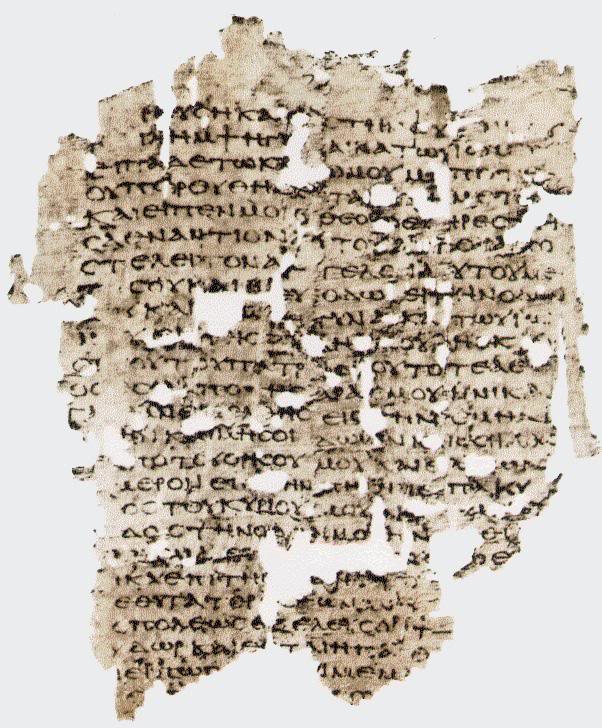
After Alexander the Great conquered the Persian Empire in the 330s BC, Greek became the common language of the eastern Mediterranean. In Alexandria, Egypt, a large Jewish community grew up speaking Greek more easily than Hebrew.
So, beginning in the 3rd century BC, Jewish scholars translated the Torah into Greek. Over the next two centuries the Prophets and Writings followed. This Greek Bible is called the Septuagint, from the Latin for "seventy," and is often abbreviated LXX.
The name comes from a famous story in the Letter of Aristeas: King Ptolemy of Egypt invited 72 elders from Jerusalem to translate the law for his great library, and they finished in 72 days. Later retellings added that each translator worked alone and all produced identical versions. Scholars regard these details as legendary, but the translation itself is very real.
The Septuagint changed history. It let the whole Greek-speaking world read Israel's Scriptures. When the New Testament writers quoted the Old Testament, they very often quoted the Septuagint. It was the Bible of the early church.
What makes the Septuagint important
- It is a window into the Hebrew text as it was read in the last centuries BC, more than a thousand years before the oldest complete Hebrew Bible.
- Its book names became ours: Genesis ("origin"), Exodus ("departure"), Deuteronomy ("second law").
- It included books not in the later Hebrew Bible, such as Tobit, Judith, Wisdom, Sirach, and 1–2 Maccabees, which is one reason Christian Bibles differ today.
- In some books it reflects a different Hebrew edition. Its Jeremiah is about one-eighth shorter than the standard Hebrew and arranged differently.
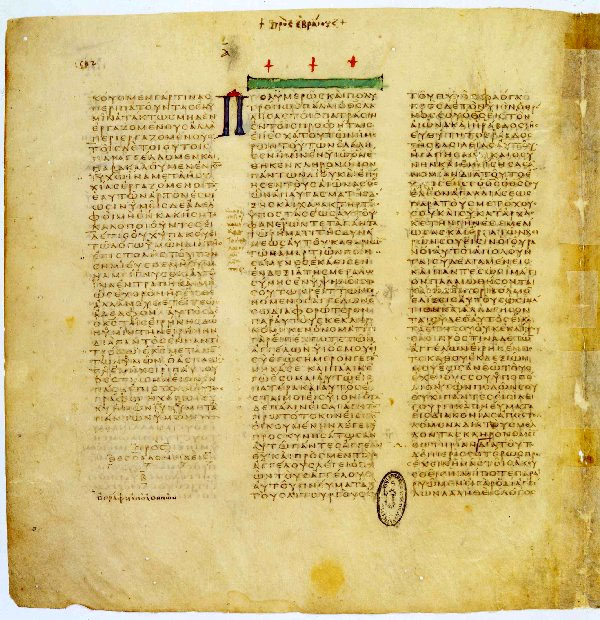
A verse the New Testament quotes from the Greek
- Isaiah 7:14, Hebrew
- "The young woman (almah) shall conceive, and bear a son."
- Isaiah 7:14, Septuagint
- "The virgin (parthenos) shall conceive, and bear a son."
- Matthew 1:23
- Matthew quotes the Septuagint's wording. The Jewish translators had already used "virgin" in Greek, about two centuries before Jesus.
What the evidence shows
- The Torah was translated into Greek in Egypt in the 3rd century BC.
- The 72 translators produced identical versions miraculously. A later legendary addition.
- New Testament writers frequently quote the Septuagint.
- The Septuagint sometimes preserves a Hebrew text different from the later standard Hebrew. Confirmed by the Dead Sea Scrolls (lesson 7).
Continue the journey
Connected elsewhere in ScriptureInvestigation: Jesus and IsaiahMatthew 1:23: Isaiah 7:14 quoted in its Greek form.More from this lesson
Connections
- Isaiah 7:14 quoted in its Greek form.
- The Ethiopian official reads Isaiah 53, likely in Greek.
- Quotes Psalm 40 in its Septuagint wording: "a body hast thou prepared me."
Sources to explore
Overviews are a starting point. Each links onward to the primary sources and specialist studies behind it.