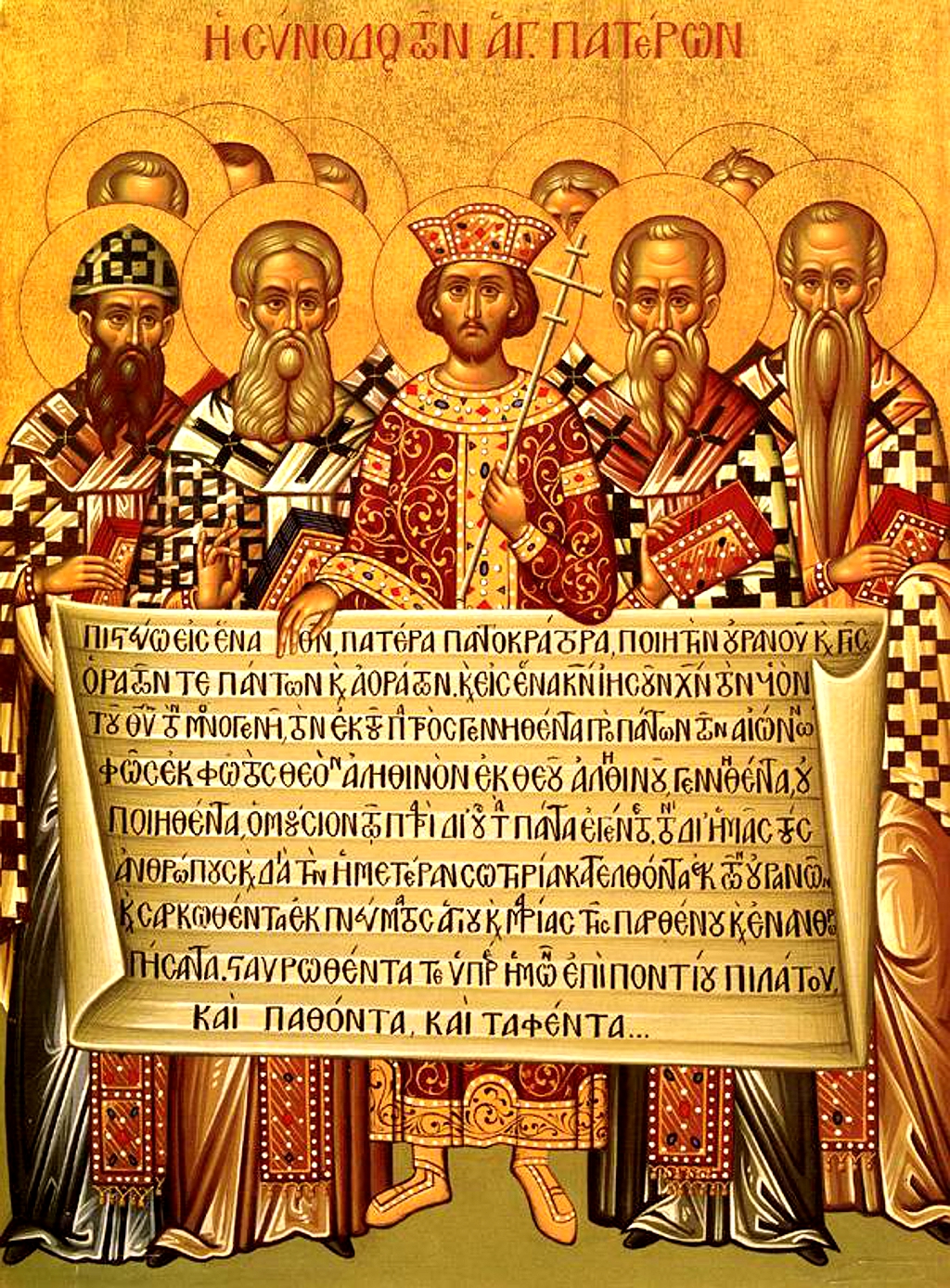
You may have heard it said that the Roman emperor Constantine, or the Council of Nicaea in AD 325, chose which books went into the Bible and threw the rest out. It is a popular claim in novels and documentaries. It is not what happened.
Constantine did call the Council of Nicaea, and about 300 bishops attended. But they met to settle a dispute about who Jesus is: a priest named Arius taught that the Son was a created being. The council affirmed that the Son is "of one substance with the Father," the origin of the Nicene Creed. The surviving records of the council do not discuss which books belong in the Bible.
The first surviving list of exactly the 27 New Testament books we use today came 42 years later, in AD 367, in an Easter letter by Athanasius, bishop of Alexandria. He was naming books already widely read, not inventing a list. Regional councils at Hippo (393) and Carthage (397) affirmed the same New Testament.
What Constantine actually did
- Ended the persecution of Christians (Edict of Milan, 313).
- Called the Council of Nicaea (325) to settle the dispute over Arius.
- Ordered 50 copies of the Scriptures for churches in Constantinople, according to Eusebius. We do not know their exact contents.
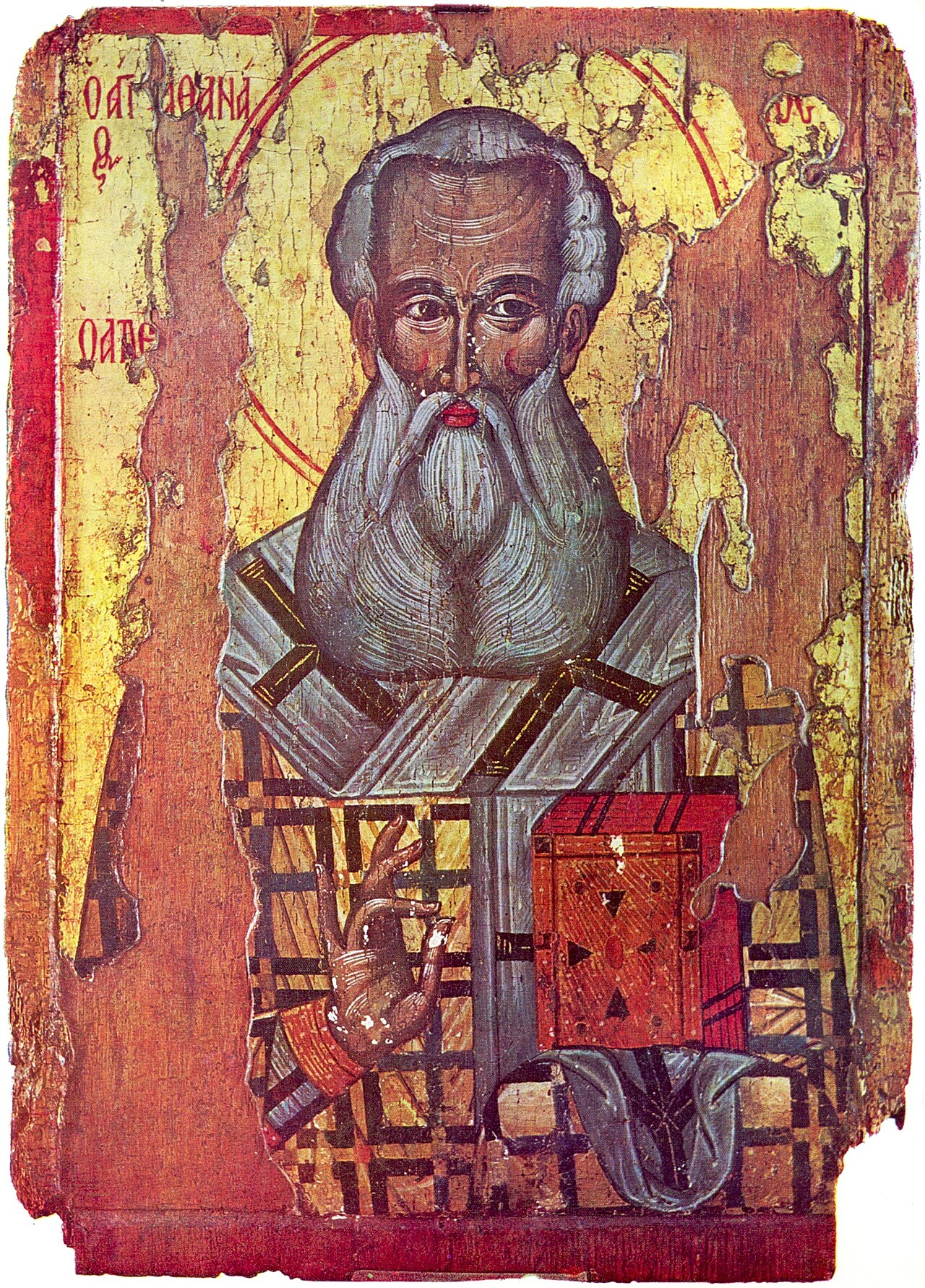
Athanasius' 39th Festal Letter lists the 27 books and calls them "the springs of salvation." He also lists other books, such as the Wisdom of Solomon and the Shepherd of Hermas, as useful for new believers to read but not part of the canon.
What the evidence shows
- The Council of Nicaea chose the books of the Bible. The surviving council records concern Arius and the date of Easter, not the canon.
- Athanasius listed the 27-book New Testament in AD 367.Source: Athanasius, 39th Festal Letter (New Advent) ↗
- The councils of Hippo and Carthage affirmed the same list. Regional councils, not binding on all churches.
- Most of the New Testament was already accepted before Constantine.
Continue the journey
Next in the storyThe Great CodicesChristians adopted the book form early, and in the 4th century produced the first great Bibles bound in single volumes.More from this lesson
Connections
- "The Word was God": the heart of the debate at Nicaea.
- Which Writings Were Scripture? →How the churches had already been sorting the books.
Sources to explore
- Athanasius, 39th Festal Letter (New Advent) ↗
- First Council of Nicaea ↗
- Development of the New Testament canon ↗
Overviews are a starting point. Each links onward to the primary sources and specialist studies behind it.