Under David and Solomon, Israel became a kingdom, and kingdoms run on writing. The Bible names royal scribes such as Shavsha and Shemaiah, and later Shaphan, who served King Josiah. Kings kept official chronicles, which the books of Kings cite by name: "the book of the chronicles of the kings of Judah."
Prophets spoke God's word to kings and people, and their words were written down, sometimes by the prophets themselves, sometimes by disciples or scribes. Isaiah was told to "write it before them in a table, and note it in a book" (Isaiah 30:8). Jeremiah dictated his prophecies to his scribe Baruch.
Around 622 BC, workers repairing the Temple in Jerusalem found "the book of the law." When the scribe Shaphan read it to young King Josiah, the king tore his clothes in grief and launched sweeping reforms (2 Kings 22–23). Many believe this book was Deuteronomy, or part of it.
Writing from the age of the kings
Archaeology has recovered real writing from this period, much of it connected to people and events in the Bible.
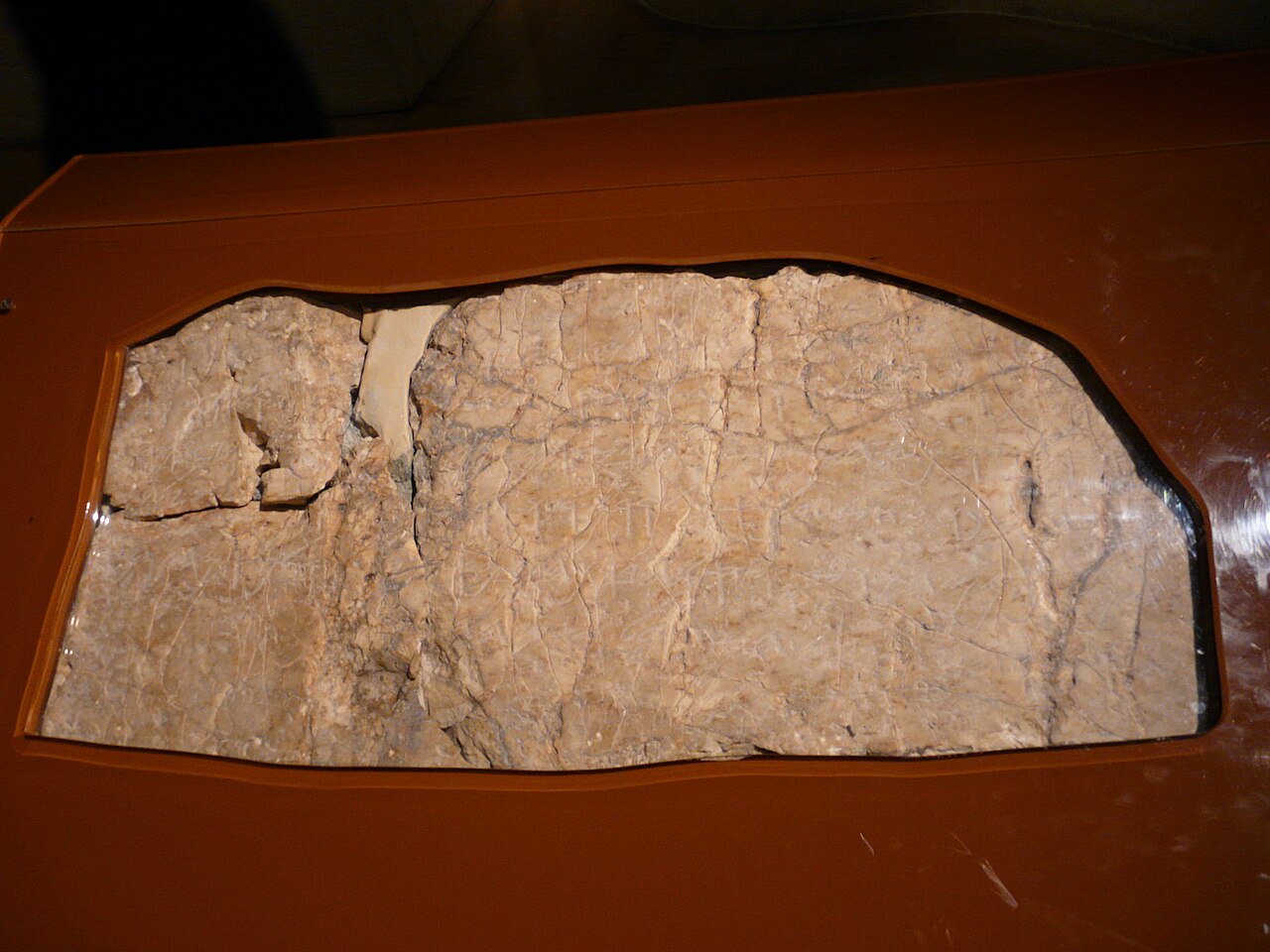
- The Siloam Inscription (c. 700 BC): carved inside the water tunnel that 2 Kings 20:20 credits to King Hezekiah. It describes two teams of diggers cutting through rock from opposite ends until they met.
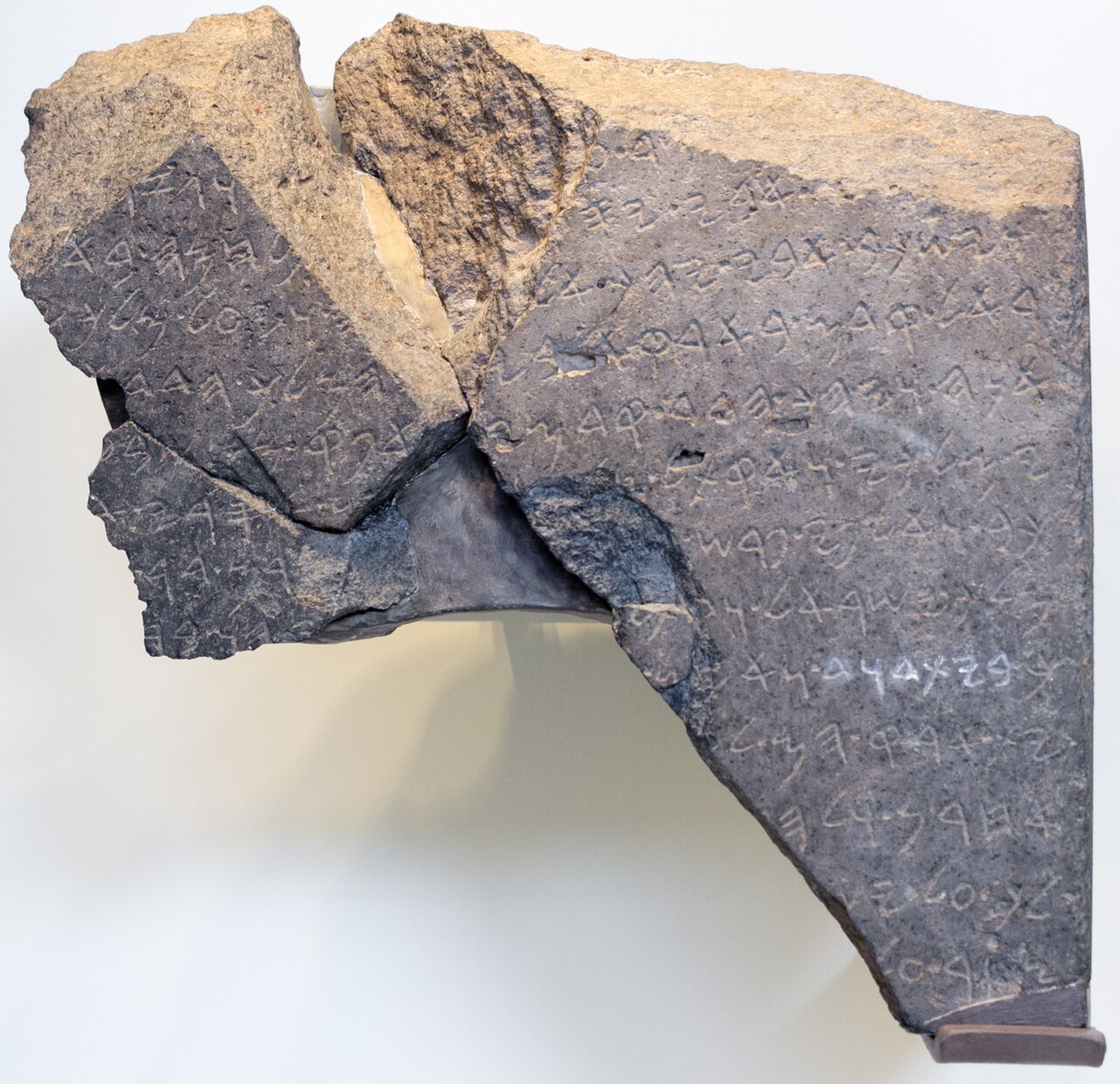
- The Tel Dan Stele (9th century BC): an Aramean king's victory monument that mentions the "House of David."
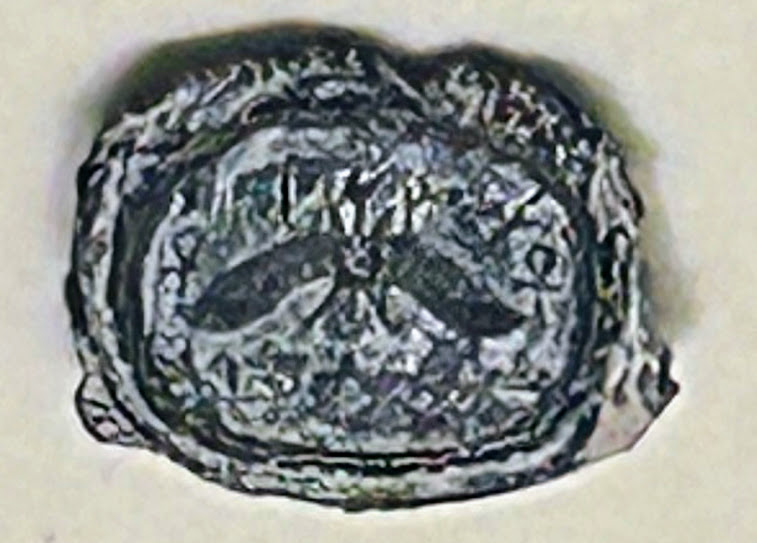
- Clay seal impressions (bullae): found in Jerusalem, including one reading "Belonging to Hezekiah, son of Ahaz, king of Judah."
These finds show a society where writing was widespread among officials and where the kings and scribes of the Bible are real people who left their own marks.
What the evidence shows
- Judah had trained scribes and official writing by the 8th century BC. Inscriptions, seals, ostraca.
- King Hezekiah of Judah is named on a royal seal impression. Found in the Ophel excavations, published 2015.
- The Siloam tunnel matches the water tunnel credited to Hezekiah.
- Josiah's law book was an early form of Deuteronomy. Widely held, not proven.
- The prophets' words were written down during or soon after their lifetimes. The Bible describes this for Isaiah and Jeremiah; the earliest surviving copies are later.
Continue the journey
Connected elsewhere in ScriptureThe Rediscovered Law and Huldah2 Kings 22:8–13: Hilkiah finds the book of the law; Josiah tears his clothes.More from this lesson
Connections
- Hilkiah finds the book of the law; Josiah tears his clothes.
- Isaiah is told to write his message in a book.
- "These are also proverbs of Solomon, which the men of Hezekiah king of Judah copied out."
Sources to explore
Overviews are a starting point. Each links onward to the primary sources and specialist studies behind it.