myBibleHistory
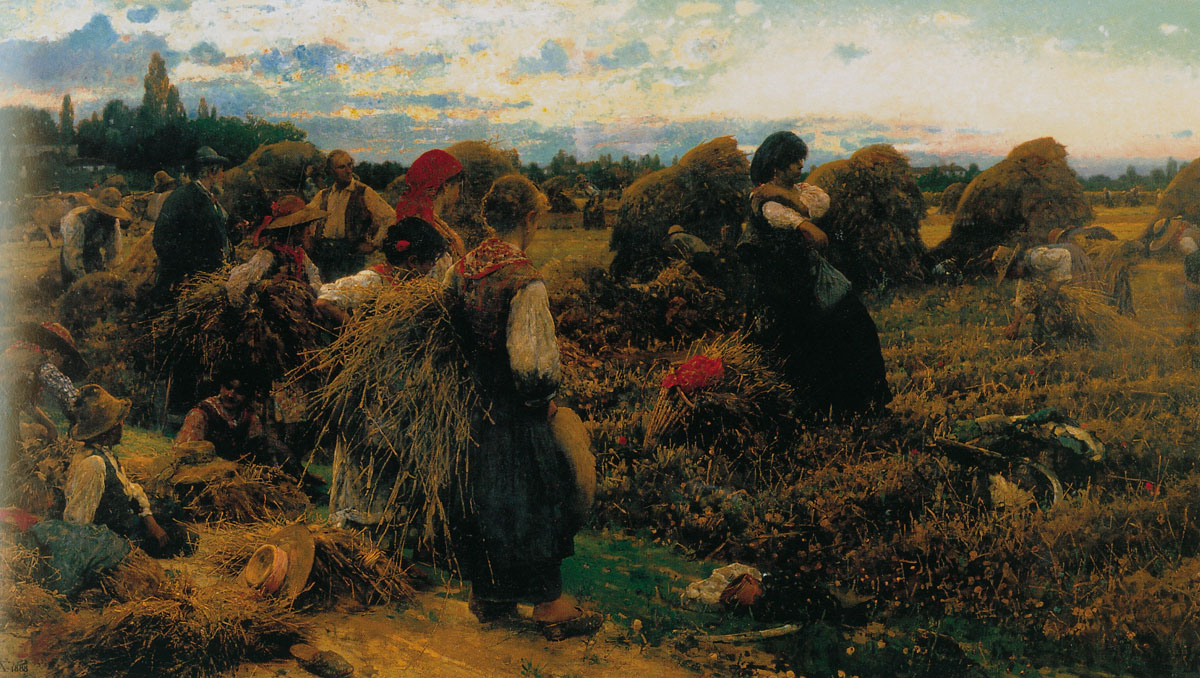
Ruth gleaning in the field of Boaz

Books of Scripture

Ruth

Loyal love in the days of the judges

4 chapters

Ruth, in Hebrew Megillat Rut, is a short story set "in the days when the judges ruled": famine and three widows, a Moabite woman's pledge to her mother-in-law, gleaning in the field of Boaz, a night at the threshing floor, a legal hearing at the city gate, and a child who becomes the grandfather of David. It also brings the law of redeemers and brothers-in-law, a Moabite in Israel, four Dead Sea Scroll copies, two places where the written and spoken Hebrew differ, and a book read every year at Shavuot.

Lessons

  1. 1Famine, Departure and BereavementRuth 1:1–5 · In the days of the judges a famine strikes Judah. A man of Bethlehem, Elimelech, takes his wife Naomi and their two sons to live in the fields of Moab. He dies; the sons marry Moabite women, Orpah and Ruth; about ten years later the sons die too. Three widows are left.
  2. 2The Journey and Ruth's PledgeRuth 1:6–18 · Naomi hears that the LORD has given his people bread and sets out for Judah. On the road she urges her daughters-in-law to go home. Orpah kisses her and returns. Ruth clings to her: where you go I will go, your people my people, your God my God.
  3. 3Naomi Returns EmptyRuth 1:19–22 · The whole town of Bethlehem stirs when the two women arrive. "Is this Naomi?" She answers: don't call me Naomi (pleasant), call me Mara (bitter), for the Almighty has dealt very bitterly with me. "I went out full, and the LORD hath brought me home again empty." They arrive at the beginning of barley harvest.
  4. 4The Foreign Gleaner, Boaz and SafetyRuth 2:1–13 · Ruth goes to glean behind the reapers and "happens" to come to the field of Boaz, a relative of Elimelech. He asks who she is, tells her to stay in his field, orders his young men not to touch her, and gives her water. He has heard of her loyalty: may the LORD reward you, under whose wings you have come to take refuge.
  5. 5Extraordinary Generosity and the Two HarvestsRuth 2:14–23 · Boaz invites Ruth to eat with the reapers and secretly tells them to drop extra grain for her. She gathers about an ephah of barley. Naomi, seeing it, blesses the man and then recognizes his name: he is one of our redeemers. Ruth gleans through the barley and wheat harvests.
  6. 6The Threshing Floor and the Nearer RedeemerRuth 3:1–18 · Naomi sends Ruth, washed and anointed, to the threshing floor at night, to uncover Boaz's feet and lie down. At midnight he wakes startled. Ruth asks him to spread his garment's wing over her, for he is a redeemer. Boaz praises her, promises to act, but warns that a nearer redeemer has the first right. He sends her home before dawn with six measures of barley.
  7. 7The City Gate, the Land, the Sandal and the MarriageRuth 4:1–12 · Boaz sits at the gate, calls the nearer redeemer and ten elders, and offers him Naomi's field. The man agrees, until Boaz adds that whoever acquires the field also acquires Ruth, to raise up the dead man's name. He declines, takes off his sandal and gives it to Boaz. Boaz calls the elders to witness, and the people bless the marriage: like Rachel and Leah, like the house of Perez.
  8. 8Obed and the Line to DavidRuth 4:13–22 · Ruth bears a son. The women of Bethlehem bless the LORD who has not left Naomi without a redeemer; Ruth, they say, is better to her than seven sons. Naomi takes the child in her lap; the neighbor women name him Obed. He is the father of Jesse, the father of David. A ten-generation genealogy runs from Perez to David.

How Ruth came to us

Who wrote it, how it was copied, and how it reached the Bible you hold. These lessons follow the book through history.

  1. ★How Ruth Came to UsWho wrote Ruth, and when? Why is it among the Writings in Jewish Bibles but after Judges in Christian ones? What do the four Dead Sea Scroll copies preserve? How did the Greek translation come down, and why is Ruth read at Shavuot?
  2. 5The Return and EzraPersia let the exiles go home; Ezra read the law to the whole people, and Scripture became the center of Jewish life.
  3. 6The SeptuagintJews in Egypt translated their Scriptures into Greek, creating the Bible of the early church and of the New Testament writers.
  4. 7The Dead Sea ScrollsA shepherd's discovery in 1947 gave us Bible manuscripts a thousand years older than any known before, and showed how faithfully the text was kept.
  5. 8Hebrew, Greek, and SamaritanThree ancient lines of copying, Hebrew, Greek, and Samaritan, let us compare the text and see where it was preserved and where it changed.

Journey of a Passage