"So they two went until they came to Bethlehem. And it came to pass, when they were come to Bethlehem, that all the city was moved about them, and they said, Is this Naomi?"
"Call me not Naomi, call me Mara: for the Almighty hath dealt very bitterly with me. I went out full, and the LORD hath brought me home again empty: why then call ye me Naomi, seeing the LORD hath testified against me, and the Almighty hath afflicted me?"
"So Naomi returned, and Ruth the Moabitess, her daughter in law, with her, which returned out of the country of Moab: and they came to Bethlehem in the beginning of barley harvest."
Full and empty
"Full" (male) and "empty" (reqam) frame the book: Naomi comes home empty (1:21), and Boaz sends Ruth back with grain so she will "not go empty" to her mother-in-law (3:17). The chapter that ends in bitterness ends also in harvest.
Shaddai, the Almighty
Naomi names God as Shaddai, traditionally "the Almighty," the name used with the patriarchs (Exodus 6:3) and often in Job. Its origin is debated: proposals include "mountain," "field," or "breast"; none is certain, and translations keep "Almighty" by tradition.
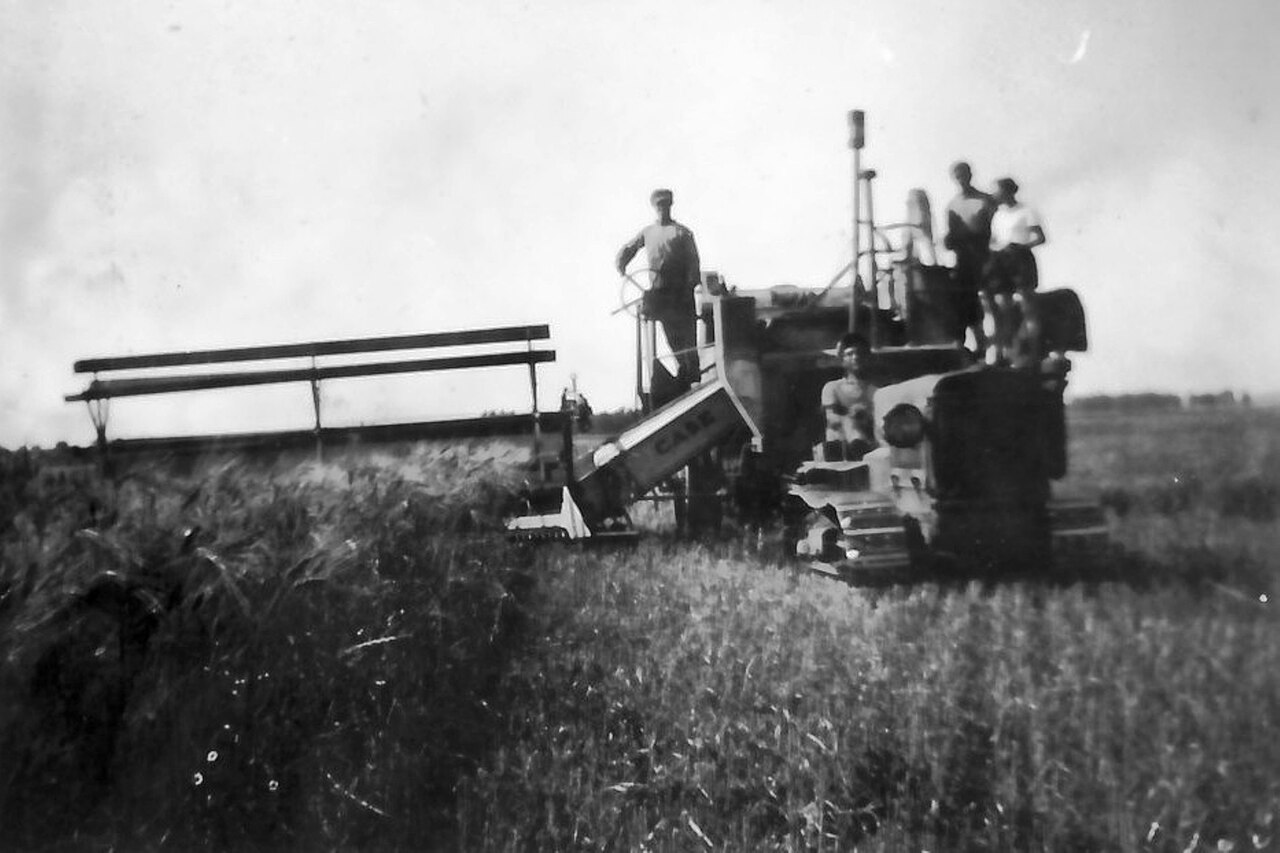
Barley harvest
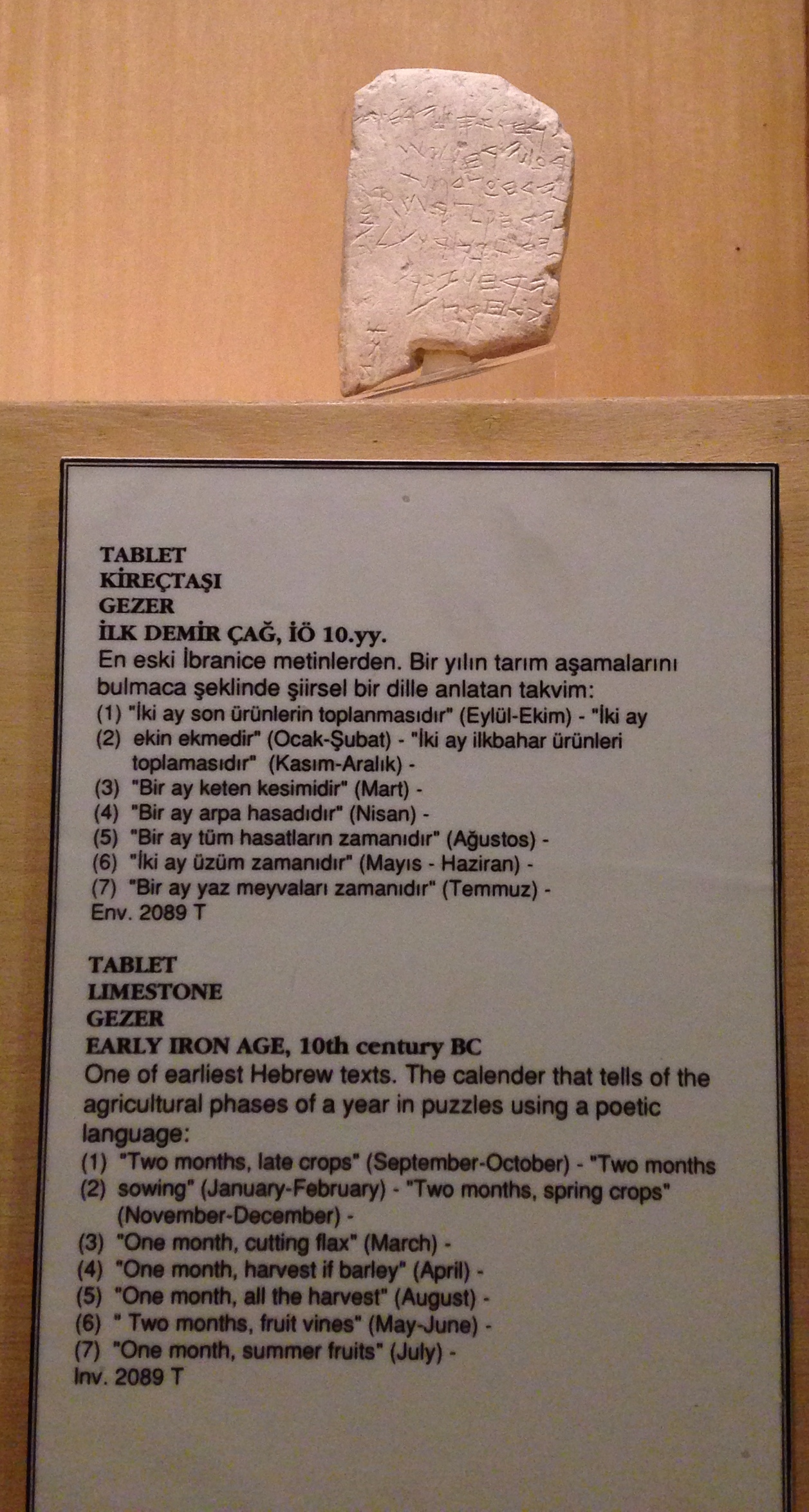
Barley ripens before wheat, usually in spring around Passover; the wheat harvest follows, around Shavuot (Pentecost), seven weeks later. Exact dates vary with rainfall and altitude. The 10th-century BC Gezer Calendar lists "a month of harvesting barley" before "a month of harvest and measuring."
The Case for the Biblical Account
Scripture's account
Naomi returns bitter at the start of barley harvest (Ruth 1:19–22).
What evidence would we expect?
An agricultural calendar with barley before wheat.
The discoveries
The Gezer Calendar; barley and wheat remains from Iron Age sites.
Testing the discoveries
The agricultural setting is well documented.
The strongest reconstruction
A carefully timed return at the turning point from hunger to harvest.
What remains possible
The meaning of Shaddai.
What the evidence shows
- Barley was harvested before wheat in ancient Israel.
- Shaddai means "mountain god."Source: NET Bible, notes on Ruth 1:20 (Naomi, Mara and Shaddai) ↗
- "The Almighty hath afflicted me." Naomi's own interpretation of her suffering.
Continue the journey
Connected elsewhere in Scripture"Let My People Go"Exodus 6:3: God Almighty (El Shaddai).More from this lesson
On the map
Location securely identified Probable identification Proposed or debated location Biblical route (roads schematic) Scholarly proposal
- Naomi and Ruth: Bethlehem and Moab. Conceptual only. The text names Bethlehem and "the country of Moab" but not the route, ford, distance or travel time; the family could have gone around the north or the south of the Dead Sea.
Why this matters to the rest of Scripture
- God Almighty (El Shaddai).
- "The Almighty, who hath vexed my soul."
- Marah, bitter water.
- Firstfruits of barley and the count to Weeks.