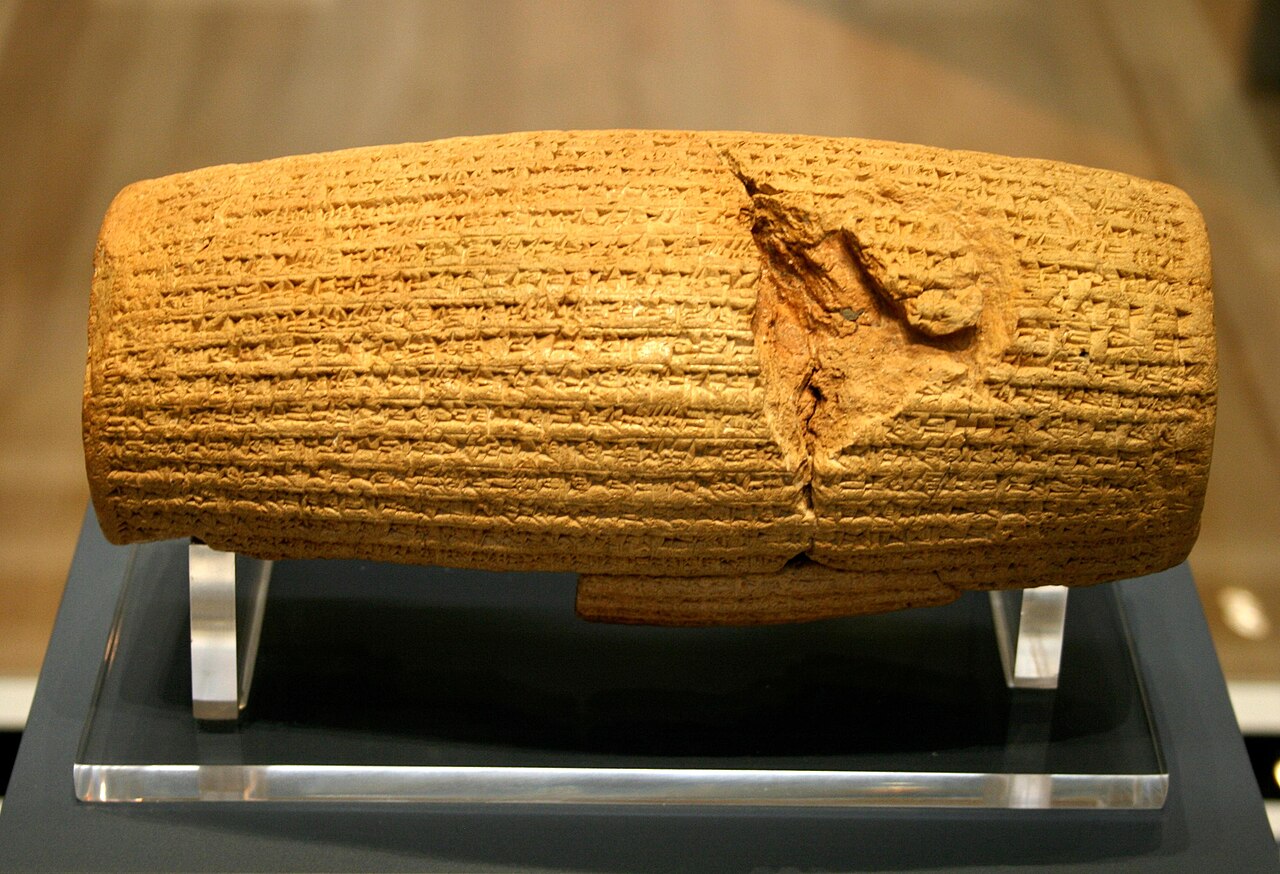
Books of Scripture
Ezra
The return, the second temple and the law
Ezra tells how the exiles came home under Persian rule. Cyrus proclaims the return and restores the temple vessels; families, priests and temple servants are listed by name; the altar rises, the foundation is laid amid joy and weeping; neighbors oppose the work through decades of letters; and under Darius, urged on by Haggai and Zechariah, the temple is finished in 515 BC. Then Ezra, priest and scribe, arrives with the king's commission to teach the law, and the book ends with the painful dissolution of marriages to foreign wives. Written partly in Hebrew and partly in Aramaic, it was one book with Nehemiah, and a different Greek retelling, 1 Esdras, also survives.
Lessons
- 1Cyrus, the Proclamation and the Vessels
- 2The Names of Those Who Came Home
- 3The Altar, the Foundation and Mixed Tears
- 4Opposition, Letters and a Leap in Time
- 5Haggai, Zechariah and an Imperial Inquiry
- 6The Memorandum, the Finished Temple and the Passover
- 7Ezra the Priest and Scribe
- 8The Caravan from Ahava
- 9Mixed Marriages and Ezra's Prayer
- 10The Oath, the Separations and an Unfinished Ending
- 11Investigation: The Persian Empire, Yehud and the Second Temple
- 12Investigation: Who Returned? Lists, Land and Identity
How Ezra came to us
Who wrote it, how it was copied, and how it reached the Bible you hold. These lessons follow the book through history.
- ★How Ezra Came to Us
- 5The Return and Ezra
- 6The Septuagint
- 7The Dead Sea Scrolls
- 13Scribes, Jerome, and the Masoretes
Journey of a Passage
- ¶Ezra 1:9–11: The temple vessels: 2,499 or 5,400?
- ¶Ezra 1:2–4 and 6:3–5: Cyrus' decree in Hebrew and in Aramaic
- ¶Ezra 2:2; Nehemiah 7:7; 1 Esdras 5:8: The leaders of the return: eleven or twelve?
- ¶Ezra 2:3–35; Nehemiah 7:8–38; 1 Esdras 5:9–23: The returnees family by family, in three versions
- ¶Ezra 2:36–58; Nehemiah 7:39–60: Priests, Levites, singers, gatekeepers and temple servants
- ¶Ezra 2:59–63; Nehemiah 7:61–65; 1 Esdras 5:36–40: "Till there stood up a priest with Urim and with Thummim"
- ¶Ezra 2:64–69; Nehemiah 7:66–72; 1 Esdras 5:41–45: 42,360: the total, the servants, the singers and the gifts
- ¶Ezra 3:8–13; 5:1–2, 16; Haggai 1–2; Zechariah 4:9: When was the foundation laid?
- ¶Ezra 4:4–24: The time leap: from Cyrus to Artaxerxes and back to Darius
- ¶Ezra 4:7–11: Where the Aramaic begins, and "Bishlam"
- ¶Ezra 4:12–23: Rehum's letter and the king's reply: a city, not a temple
- ¶Ezra 5:17–6:5: 4Q117: the oldest copy of Ezra
- ¶Ezra 6:14–15; 1 Esdras 7:4–5: Cyrus, Darius and Artaxerxes; the third or the twenty-third of Adar
- ¶Ezra 6:19–22: Back to Hebrew, the Passover and "the king of Assyria"
- ¶Ezra 7:1–5; 1 Chronicles 6:3–15: Ezra's priestly line: sixteen generations from Aaron
- ¶Ezra 7:11–28: Artaxerxes' commission and the change of voice
- ¶Ezra 8:15–20: Ahava and "the place Casiphia"
- ¶Ezra 9:1–2; 1 Esdras 8:69–70: The peoples of the lands and "the holy seed"
- ¶Ezra 10:15; 1 Esdras 9:14: Did Jonathan and Jahzeiah oppose the measure or carry it out?
- ¶Ezra 10:3, 44; 1 Esdras 9:36: The last verse of Ezra: what happened to the children?
- ¶Ezra 1–10 and 1 Esdras 1–9: Ezra and 1 Esdras: two editions of one story