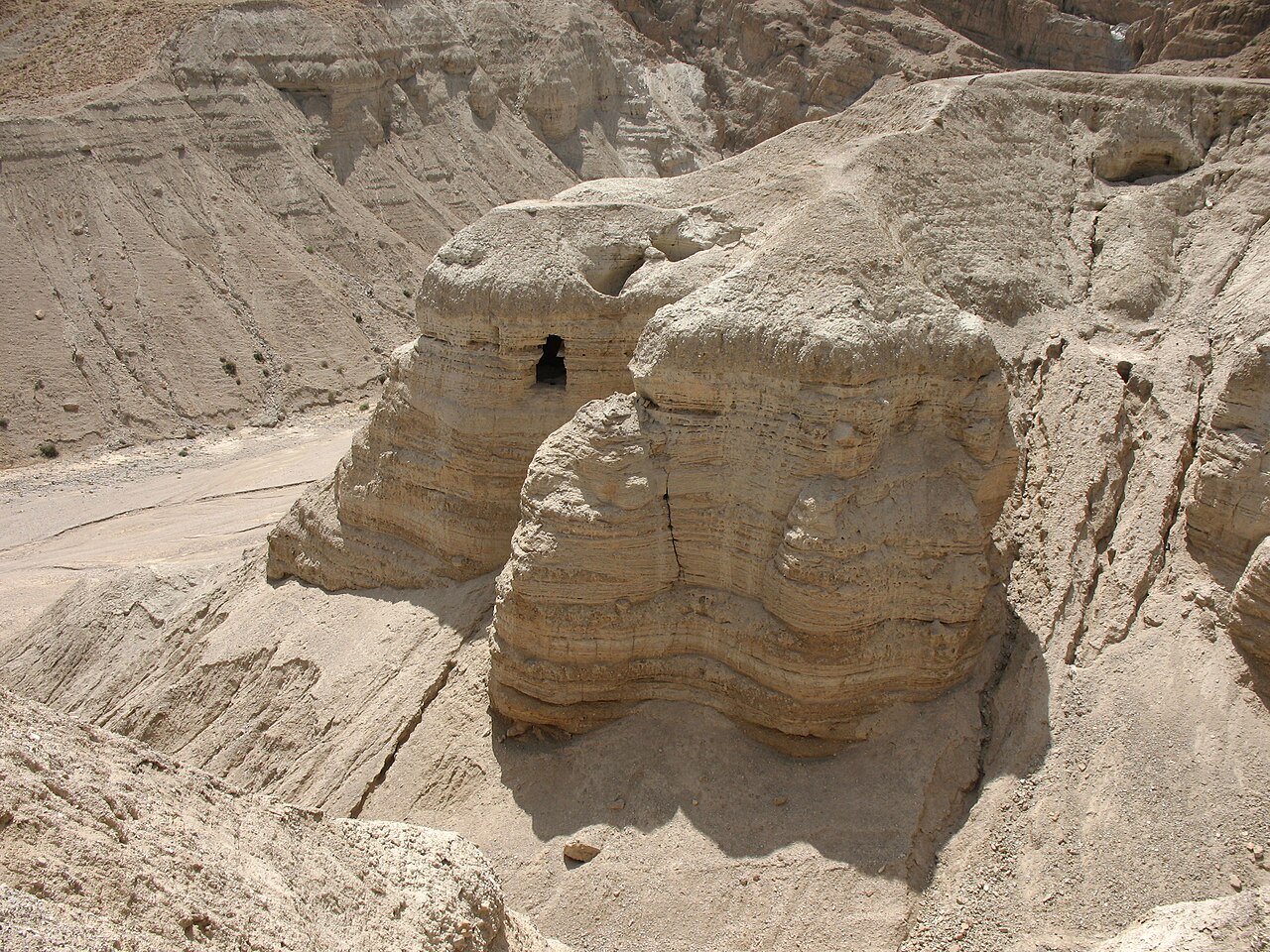
In the winter of 1946–47, a young Bedouin shepherd searching for a lost goat near the Dead Sea threw a stone into a cave and heard pottery shatter. Inside were clay jars holding ancient scrolls wrapped in linen.
Over the next decade, eleven caves near a site called Qumran yielded the remains of about 900 scrolls, most in tens of thousands of fragments. About a quarter are copies of books of the Hebrew Bible. Every book is represented except Esther.
Before 1947, the oldest substantial Hebrew manuscripts of the Old Testament dated to around AD 900–1000. Suddenly scholars could hold copies from the last centuries BC, roughly a thousand years older.
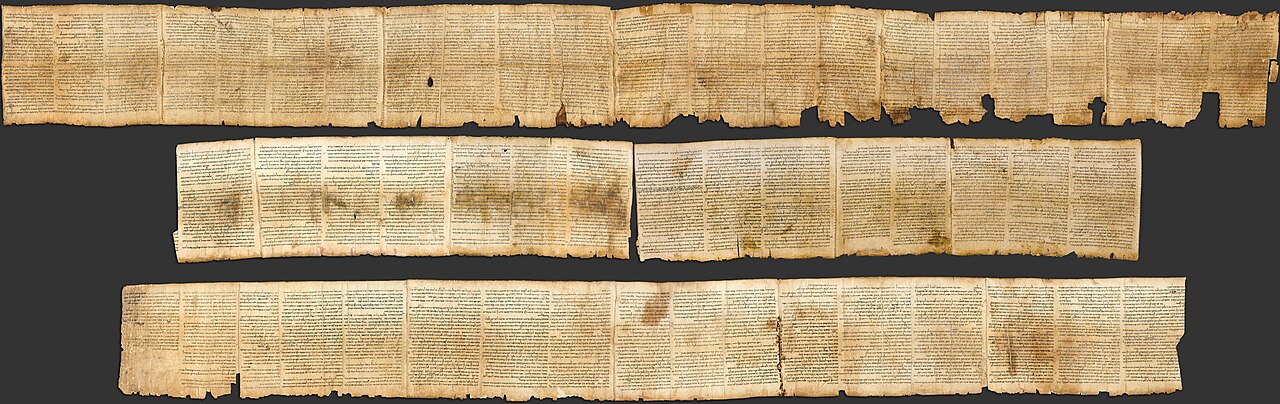
The most famous is the Great Isaiah Scroll, a complete copy of all 66 chapters of Isaiah from about 125 BC. When it was compared with the medieval Hebrew text, the two were overwhelmingly the same book. Most differences are spelling and small wording changes. A thousand years of hand copying had preserved Isaiah with remarkable care.
Isaiah 53 across a thousand years
Isaiah 53, the Suffering Servant passage Christians read as a prophecy of Jesus, is one of the best places to see the scrolls at work. Across the whole chapter, the Great Isaiah Scroll and the medieval text agree almost word for word. In verse 11, the scroll adds one word:
Isaiah 53:11
- Medieval Hebrew (Masoretic)
- "He shall see of the travail of his soul, and shall be satisfied."
- Great Isaiah Scroll (c. 125 BC)
- "Out of the travail of his soul he shall see light, and shall be satisfied."
- Septuagint (Greek)
- Also has "light," agreeing with the scroll.
- What it shows
- Two independent ancient witnesses agree on "light," so several modern translations (NIV, NRSV) now include it. Medieval scribes most likely dropped the word by accident. The meaning, the servant's suffering leading to life and vindication, is strengthened, not weakened.
What else was in the caves
- Copies of almost every Old Testament book, often several copies each (over 30 of Psalms, over 20 of Genesis and Deuteronomy).
- Books later outside the Hebrew Bible, such as 1 Enoch, Jubilees, Tobit, and Sirach.
- Commentaries, rules, hymns, and calendars of the community that kept them.
What the evidence shows
- The Qumran caves preserved Hebrew biblical manuscripts from about 250 BC to AD 68. Paleography, archaeology, and radiocarbon dating.
- The Great Isaiah Scroll largely agrees with the medieval Hebrew text of Isaiah.Source: Great Isaiah Scroll, full digital copy (Israel Museum) ↗; Ulrich & Flint, DJD XXXII (2010)
- Some biblical books circulated in more than one edition before Christ. For example, shorter and longer forms of Jeremiah.
- Every Old Testament book except Esther is represented.
Who kept the scrolls?
The dominant view: a strict Jewish sect, often identified with the Essenes, lived at Qumran and hid its library in the caves before the Romans arrived in AD 68.
A minority view: some scrolls came from Jerusalem and were hidden during the war with Rome.
Continue the journey
Journey of a PassageIsaiah 53:11: He shall see lightOne word, "light," appears in the Dead Sea Scrolls and the Greek but not in the medieval Hebrew.More from this lesson
Connections
- The Suffering Servant, preserved nearly identically across a thousand years.
- "The grass withereth, the flower fadeth: but the word of our God shall stand for ever."
- How Genesis Came to Us →About 20 Genesis manuscripts were found in the caves.
Sources to explore
- Leon Levy Dead Sea Scrolls Digital Library (Israel Antiquities Authority) ↗
- The Great Isaiah Scroll, full digital copy (Israel Museum) ↗
- Library of Congress: Scrolls from the Dead Sea ↗
- Great Isaiah Scroll ↗
Overviews are a starting point. Each links onward to the primary sources and specialist studies behind it.