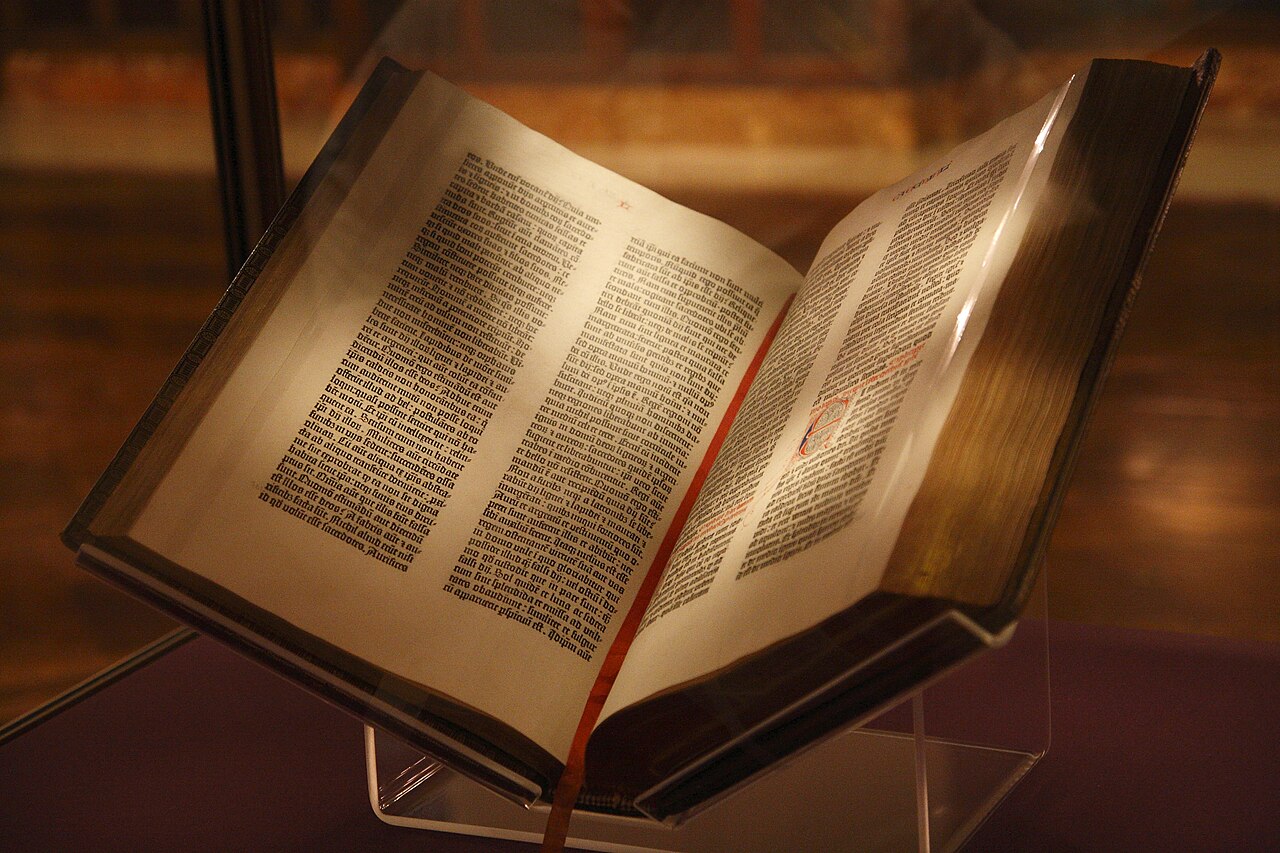
Around 1455 in Mainz, Germany, Johannes Gutenberg finished printing a Latin Bible using movable metal type. For the first time, Bibles could be produced by the hundreds instead of one at a time over years. About 49 Gutenberg Bibles survive.
In 1516 the scholar Erasmus printed the New Testament in its original Greek, letting scholars read beyond the Latin. Martin Luther used it to translate the New Testament into German in 1522, and the complete Luther Bible appeared in 1534, shaping the German language itself.
In England, translating the Bible without permission was forbidden. William Tyndale did it anyway, working in exile. His New Testament, translated from Greek, was printed in 1526 and smuggled into England in bales of cloth. Copies were bought up and burned. Tyndale was betrayed, imprisoned, and in 1536 strangled and burned at the stake. His last words were reportedly a prayer: "Lord, open the King of England's eyes."
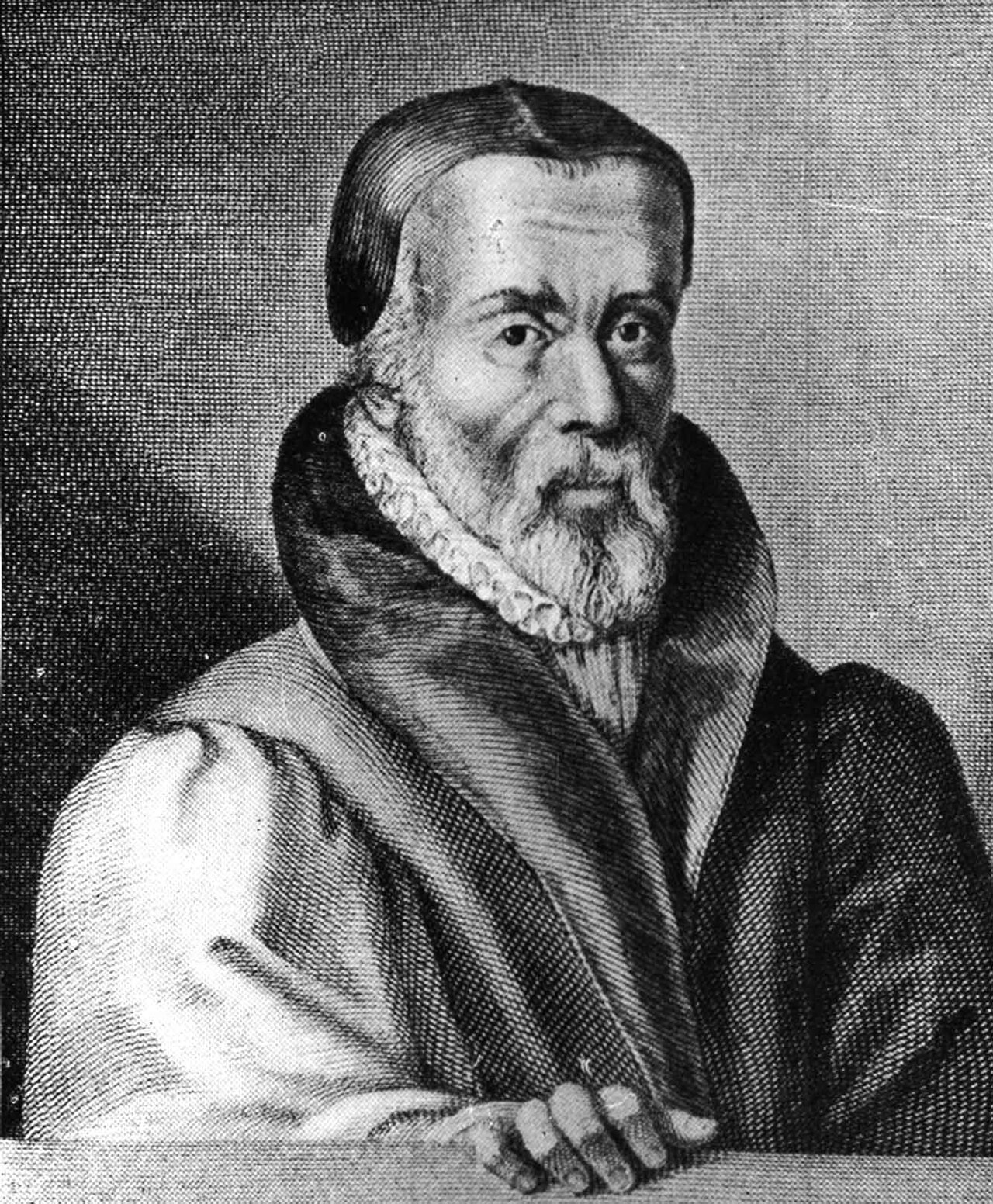
Within a few years, English Bibles were permitted, and most of them drew heavily on Tyndale. In 1611 the King James Version, produced by about fifty scholars, was published. It kept so much of Tyndale's wording that historians estimate more than three-quarters of its New Testament comes from him.
The English Bible family tree
| Year | Bible | Why it matters |
|---|---|---|
| c. 1382 | Wycliffe Bible | First complete English Bible, hand-copied from the Latin |
| 1526 | Tyndale New Testament | First printed English New Testament, from the Greek |
| 1535 | Coverdale Bible | First complete printed English Bible |
| 1539 | Great Bible | First authorized for English churches |
| 1560 | Geneva Bible | Bible of Shakespeare and the Pilgrims, with study notes and verse numbers |
| 1611 | King James Version | The most influential English book ever printed |
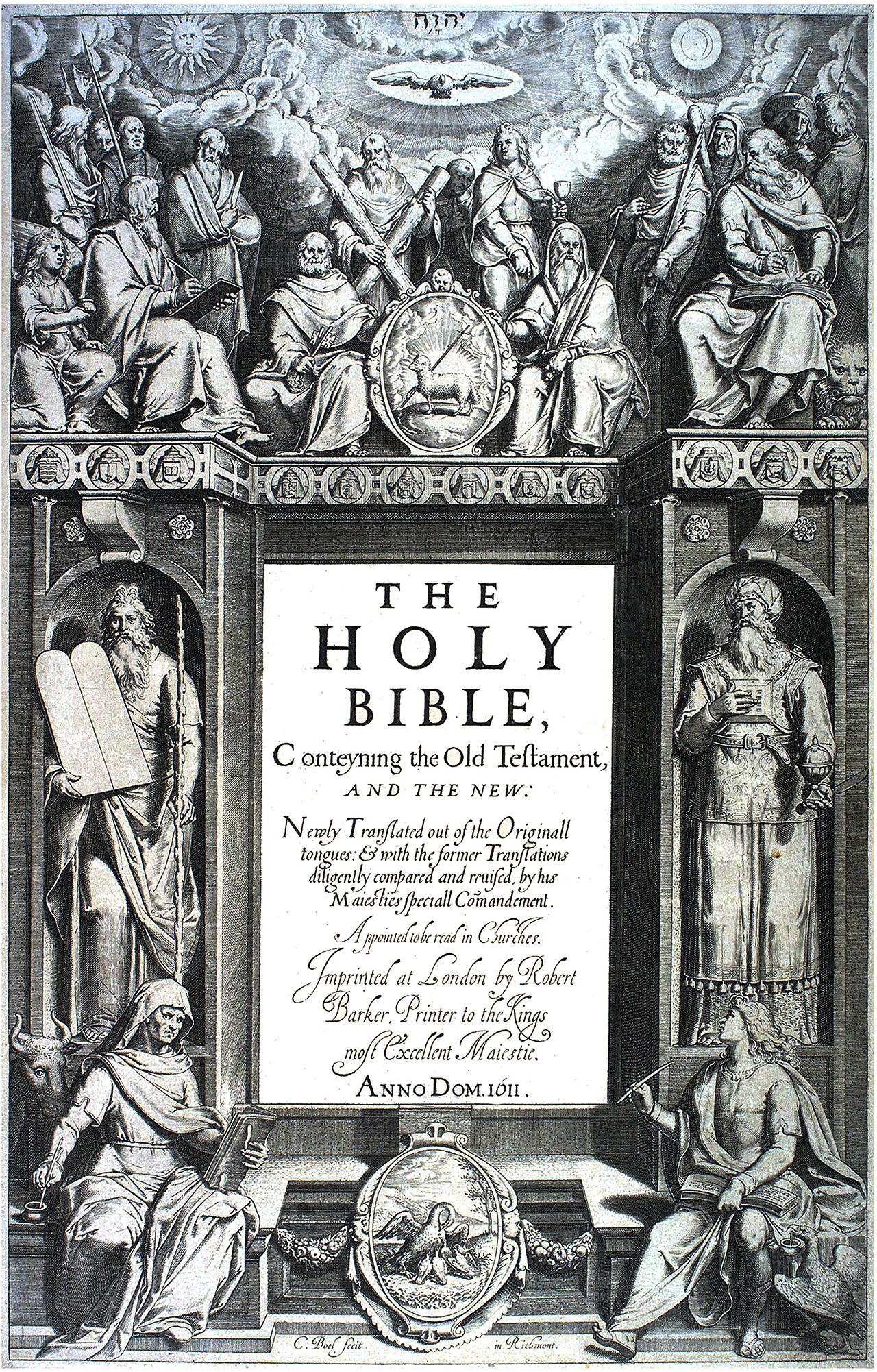
What the 1611 King James Bible included
The original 1611 KJV included the Apocrypha (Tobit, Judith, the Maccabees, and others) in a separate section between the Testaments. Most printings dropped it in the 1800s. Today's KJV also has updated spelling: the 1611 read "In the beginning God created the Heauen, and the Earth."
Chapter and verse
The original authors did not number chapters or verses. Chapter divisions were added around 1205 by Stephen Langton; New Testament verse numbers by Robert Estienne in 1551. They are helpful tools, not part of the inspired text.
What the evidence shows
- The Gutenberg Bible was printed around 1455.
- Tyndale was executed in 1536 for his work and beliefs.
- Much of the KJV's wording comes from Tyndale.
- The KJV is the original Bible. It is a translation made 1,500 years after the New Testament was written, based on the manuscripts then available.
- The 1611 KJV included the Apocrypha.
Continue the journey
Journey of a Passage1 John 5:7–8: The three that bear record in heavenThe King James wording includes a clear statement of the Trinity that is absent from early Greek manuscripts.More from this lesson
Connections
- "Faith cometh by hearing, and hearing by the word of God."
- Why Our Bibles Differ Today →How the Reformation shaped today's different Bibles.
Sources to explore
Overviews are a starting point. Each links onward to the primary sources and specialist studies behind it.