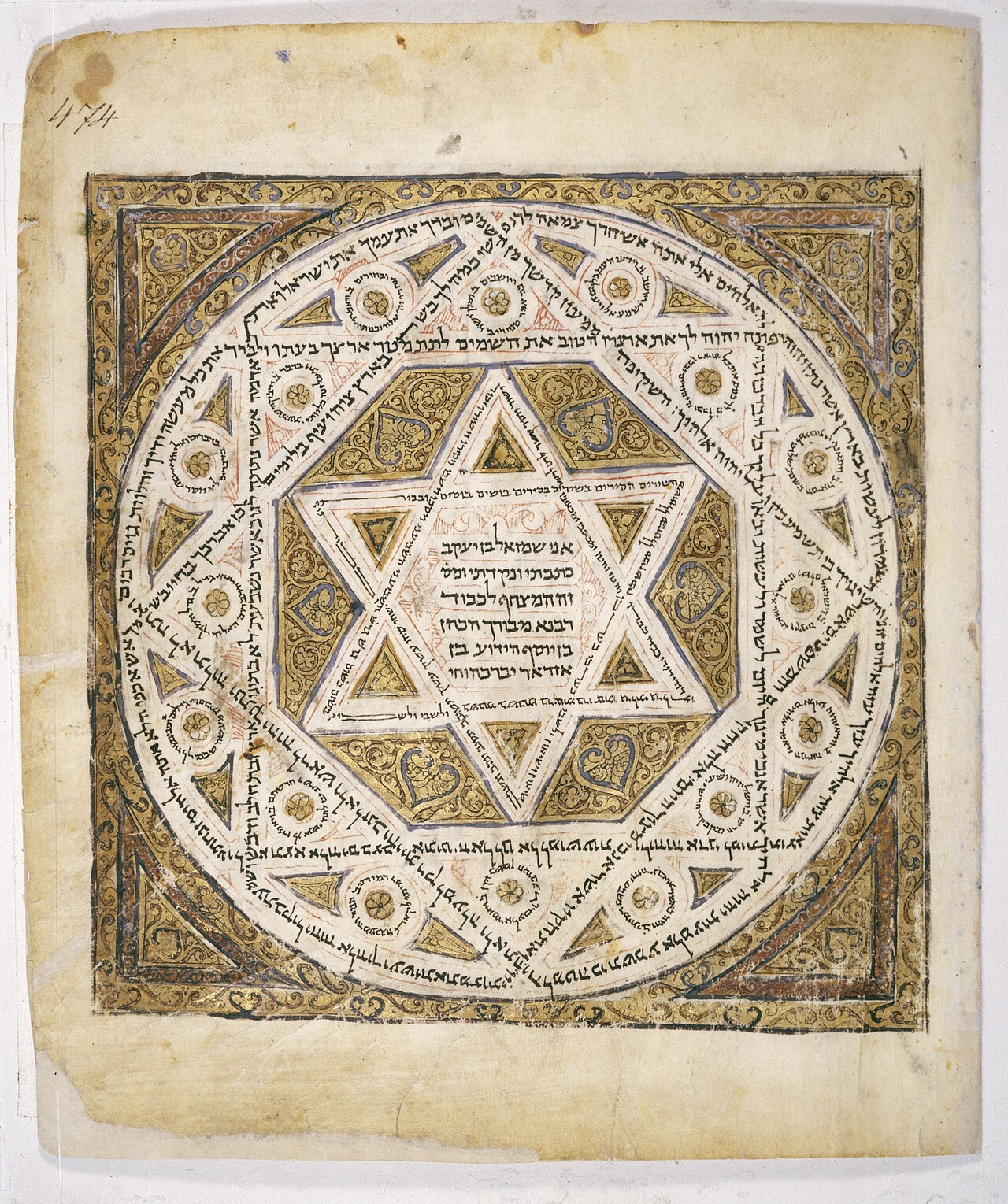
Around AD 382, Pope Damasus asked a brilliant and famously cranky scholar named Jerome to revise the Latin Gospels. Jerome went much further. Moving to Bethlehem, he learned Hebrew and translated most of the Old Testament directly from it. His Latin Bible, later called the Vulgate ("common" version), became the Bible of Western Christianity for over a thousand years.
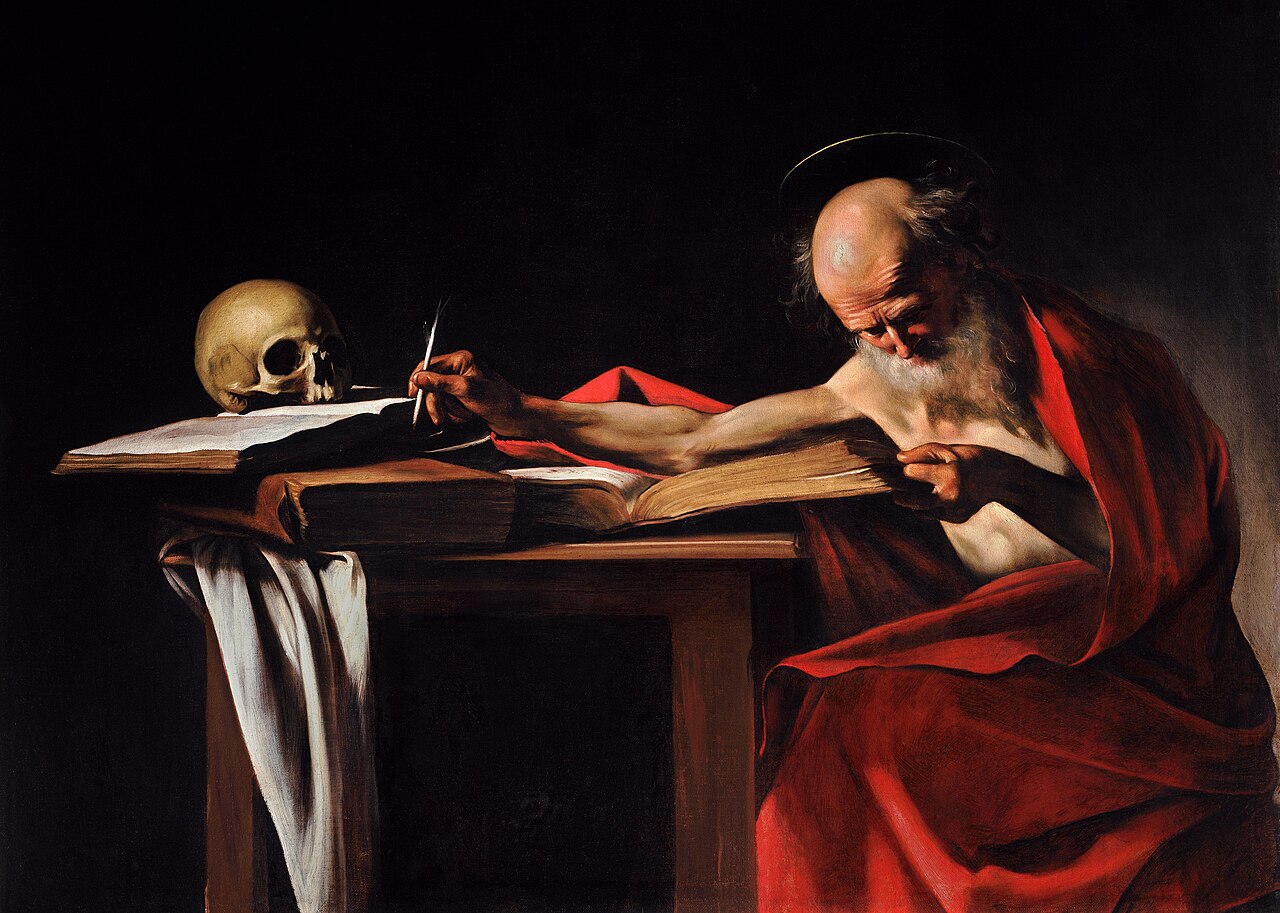
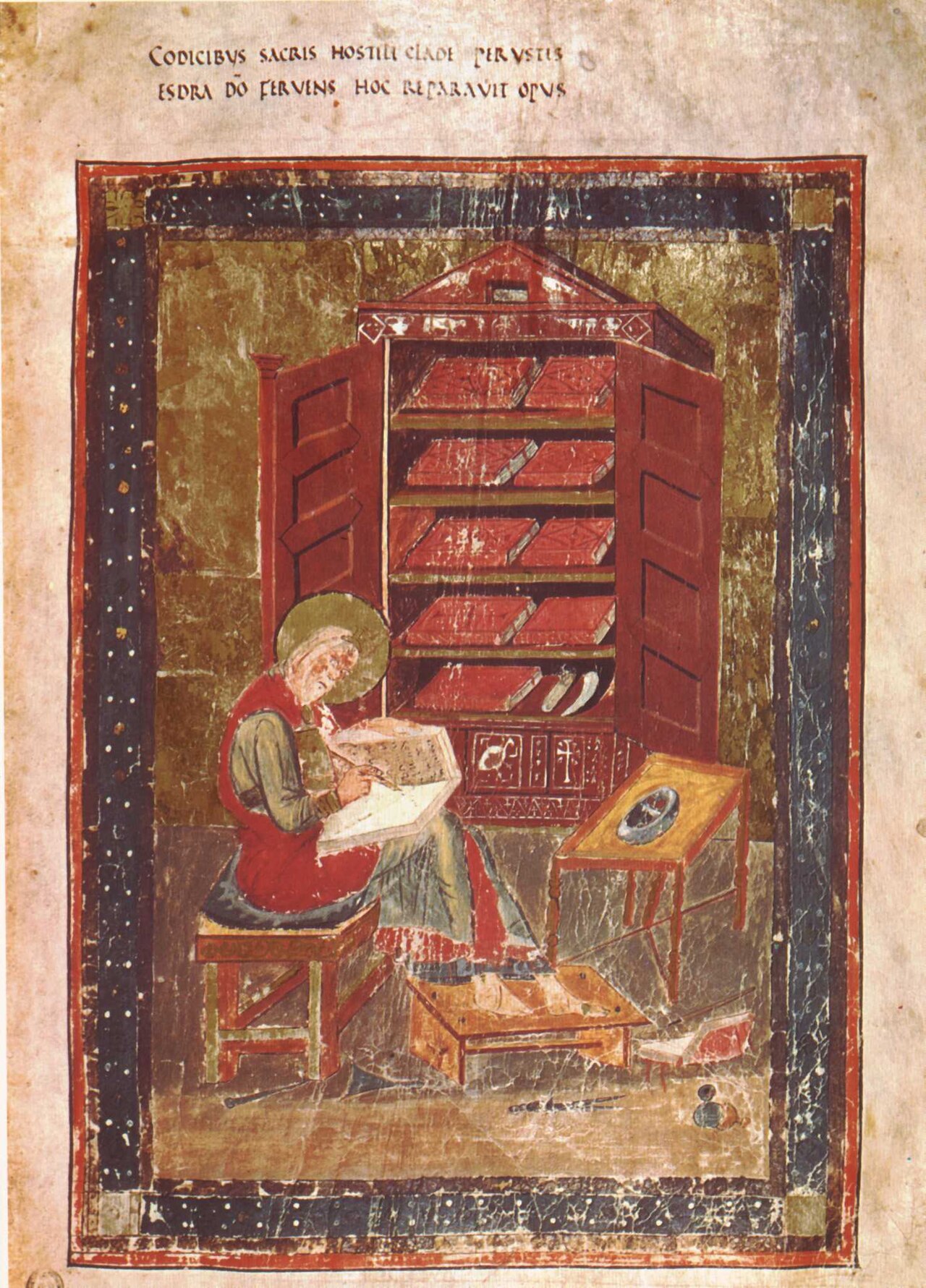
Through the Middle Ages, monks copied the Scriptures by hand in monasteries, often spending years on a single Bible. The oldest complete Latin Vulgate, Codex Amiatinus, was made in northern England around AD 700 and is so large it takes two people to lift.
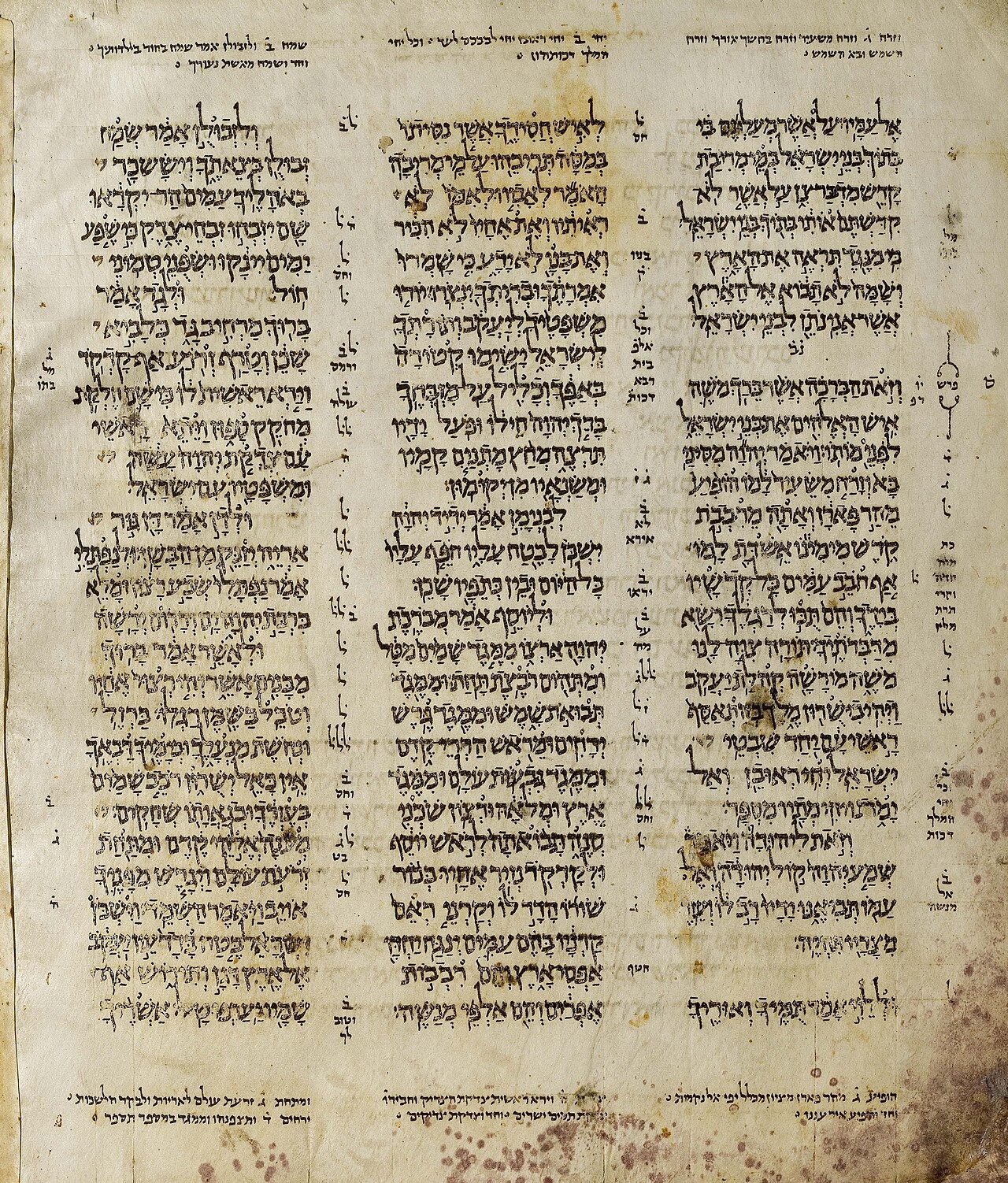
Meanwhile, Jewish scholars in Tiberias and elsewhere, called the Masoretes ("keepers of the tradition"), spent centuries preserving the Hebrew text. Hebrew had been written without vowels, so they added a system of dots and dashes to record exactly how it was read. They counted the letters, words, and verses of each book and noted unusual spellings in the margins, so any copying error could be caught.
Two great Hebrew Bibles
- The Aleppo Codex (c. AD 930): the most authoritative Masoretic Bible, approved by the great scholar Maimonides. Much of it, including most of the Torah, was lost after riots in Aleppo in 1947. What survives is in Jerusalem.
- The Leningrad Codex (AD 1008): the oldest complete Hebrew Bible, now in St. Petersburg. It is the basis of the standard scholarly Hebrew Bible today.
When the Dead Sea Scrolls were compared with these codices a thousand years later, they confirmed how carefully the Masoretes and their predecessors had worked.
Other ancient Bibles
Christianity spread in many languages, each with its own Bible: Syriac (the Peshitta), Coptic in Egypt, Armenian, Georgian, and Ge'ez in Ethiopia. These translations are independent witnesses that help scholars check the text.
What the evidence shows
- Jerome translated most of the Old Testament from Hebrew into Latin.
- The Masoretes added vowel signs and counted letters and words to protect the text.
- The Leningrad Codex (1008) is the oldest complete Hebrew Bible.
- Medieval copyists never made mistakes. They made errors like any copyist, which is why comparing manuscripts matters. Their care made errors rare and detectable.
Continue the journey
Journey of a PassageGenesis 47:31: Bed or staff? Same letters, two readingsIsrael bowed "upon the bed's head" in the Hebrew, but "upon the top of his staff" in the Greek, which Hebrews 11:21 quotes.More from this lesson
Connections
- "Ye shall not add unto the word… neither shall ye diminish ought from it."
- The Dead Sea Scrolls →The thousand-year check on the Masoretes' work.
Sources to explore
Overviews are a starting point. Each links onward to the primary sources and specialist studies behind it.