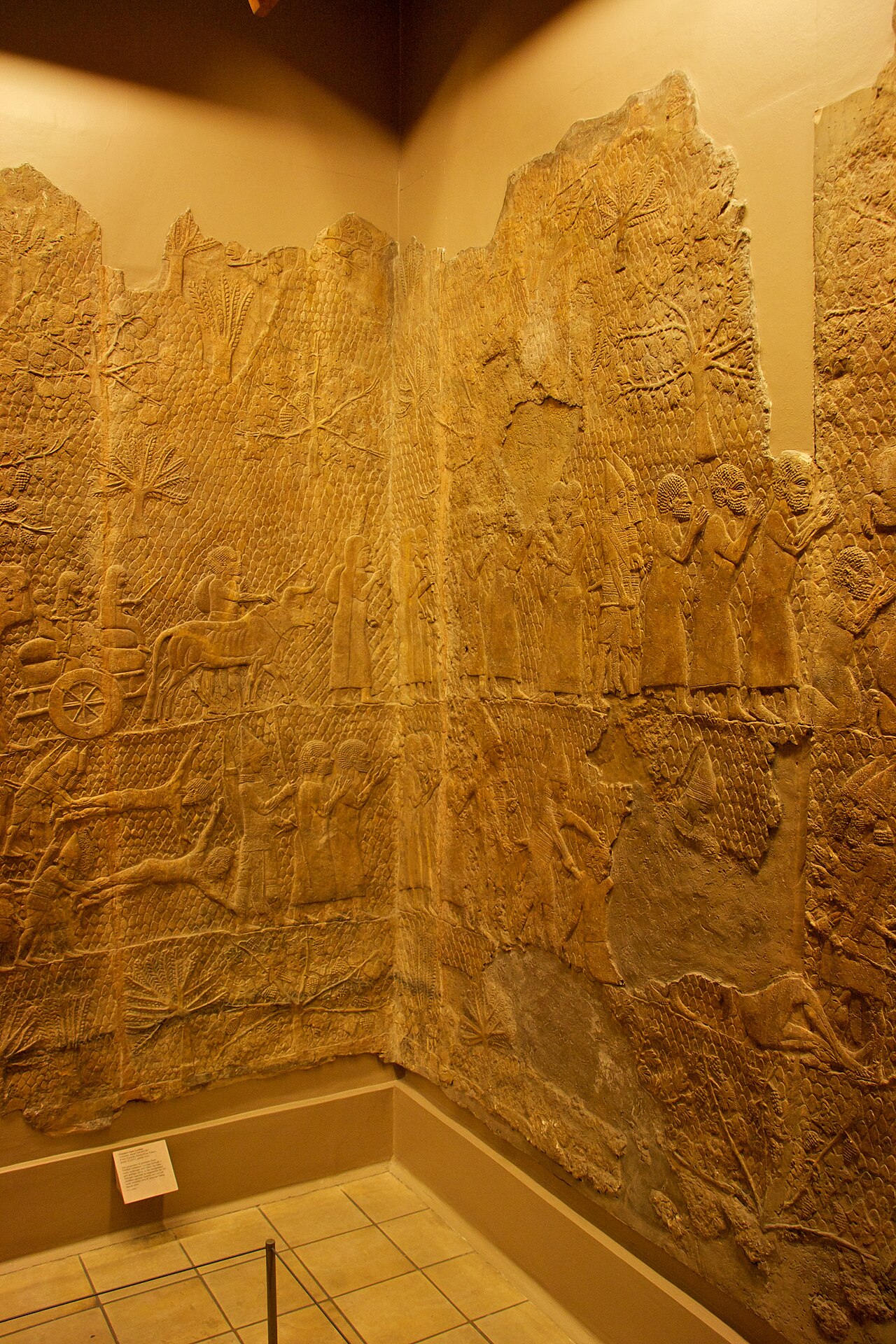
In 586 BC, the armies of Nebuchadnezzar of Babylon burned Jerusalem and its Temple. The king of Judah was blinded and taken away in chains, and thousands of people were deported to Babylon, eight hundred miles from home.
It is hard to overstate the crisis. The Temple, the city, the king, and the land were all gone. What remained were the people and their Scriptures. In exile, without a Temple, they gathered around the written word.
One story shows how determined the faithful were to keep God's word. Before the fall, King Jehoiakim had Jeremiah's scroll read to him, and as each section was read he cut it off with a knife and threw it in the fire. God told Jeremiah to write it all again. Jeremiah dictated, and Baruch wrote a new scroll, "and there were added besides unto them many like words" (Jeremiah 36:32).
During the exile, prophets like Ezekiel spoke to the deported community, and the history of Israel's kings was gathered and told as a lesson in faithfulness and judgment. Many scholars believe the exile was a time of intense writing, collecting, and editing of Scripture.
Voices from the last days of Judah
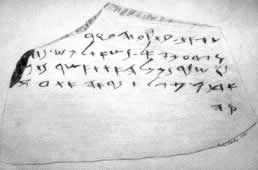
In the 1930s, excavators at Lachish, a fortress city southwest of Jerusalem, found letters written in ink on pottery pieces (ostraca) by Judean officers as Babylon's army closed in. One reports watching for signal fires and no longer seeing those of Azekah, the same two cities Jeremiah 34:7 names as the last fortified towns still standing.
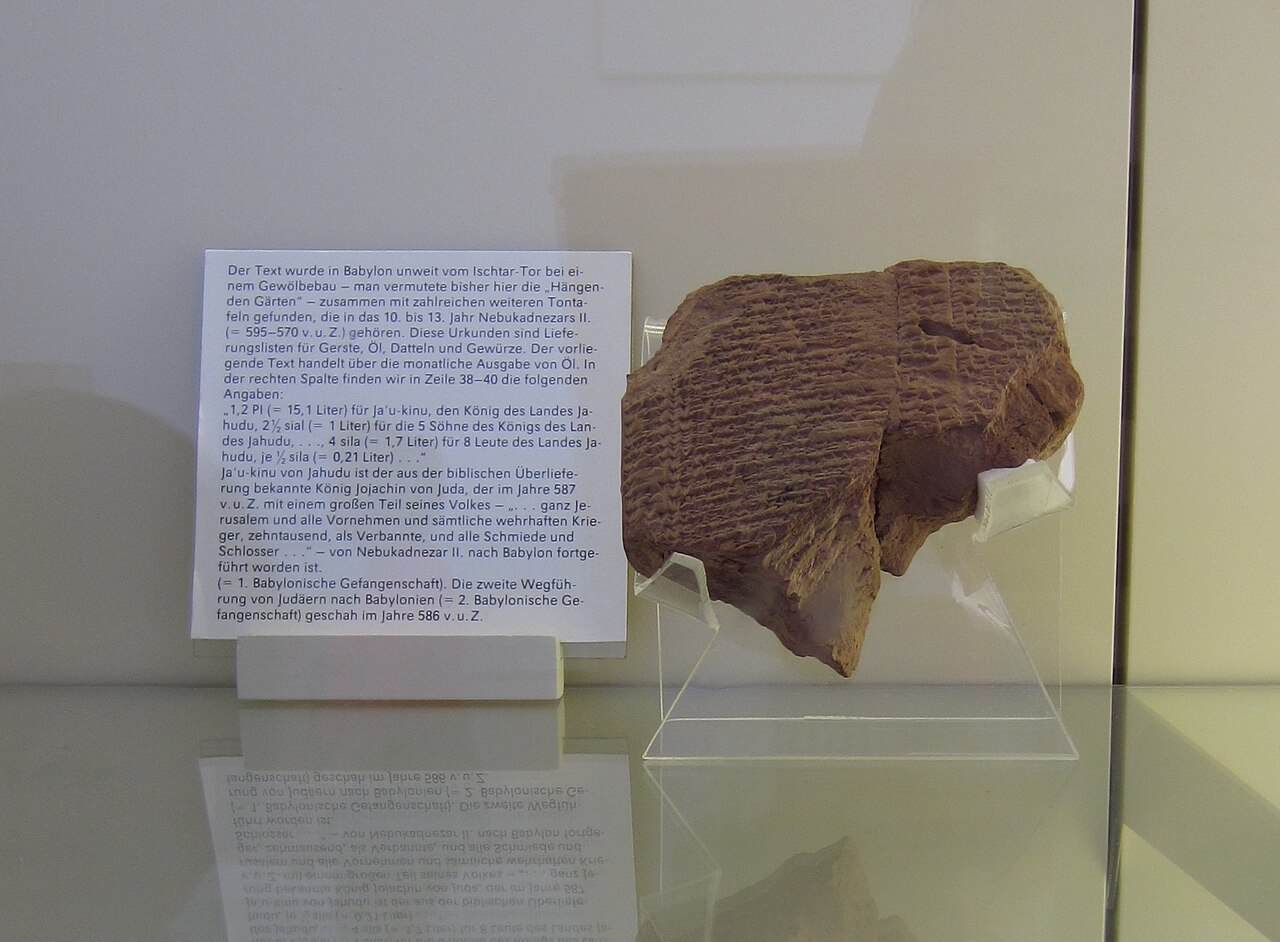
In Babylon itself, tablets listing rations of oil for royal prisoners name "Jehoiachin, king of Judah" and his sons, matching 2 Kings 25:27–30, which says the exiled king ate at the Babylonian king's table.
What the evidence shows
- Babylon destroyed Jerusalem and deported much of Judah's population in the early 6th century BC. Babylonian chronicles and archaeology.
- The exiled King Jehoiachin received rations in Babylon. Babylonian ration tablets.
- The Lachish letters describe Judah's last days before the fall.
- Major collecting and editing of Scripture took place during the exile. A common scholarly view based on the texts; no exile-era manuscripts survive.
Continue the journey
Connected elsewhere in ScripturePsalm 137: By the Rivers of BabylonPsalm 137: "By the rivers of Babylon, there we sat down, yea, we wept."More from this lesson
Connections
- The king burns the scroll; Jeremiah and Baruch write it again.
- "By the rivers of Babylon, there we sat down, yea, we wept."
- In exile, Daniel studies "the books," including Jeremiah's prophecy.
Sources to explore
Overviews are a starting point. Each links onward to the primary sources and specialist studies behind it.