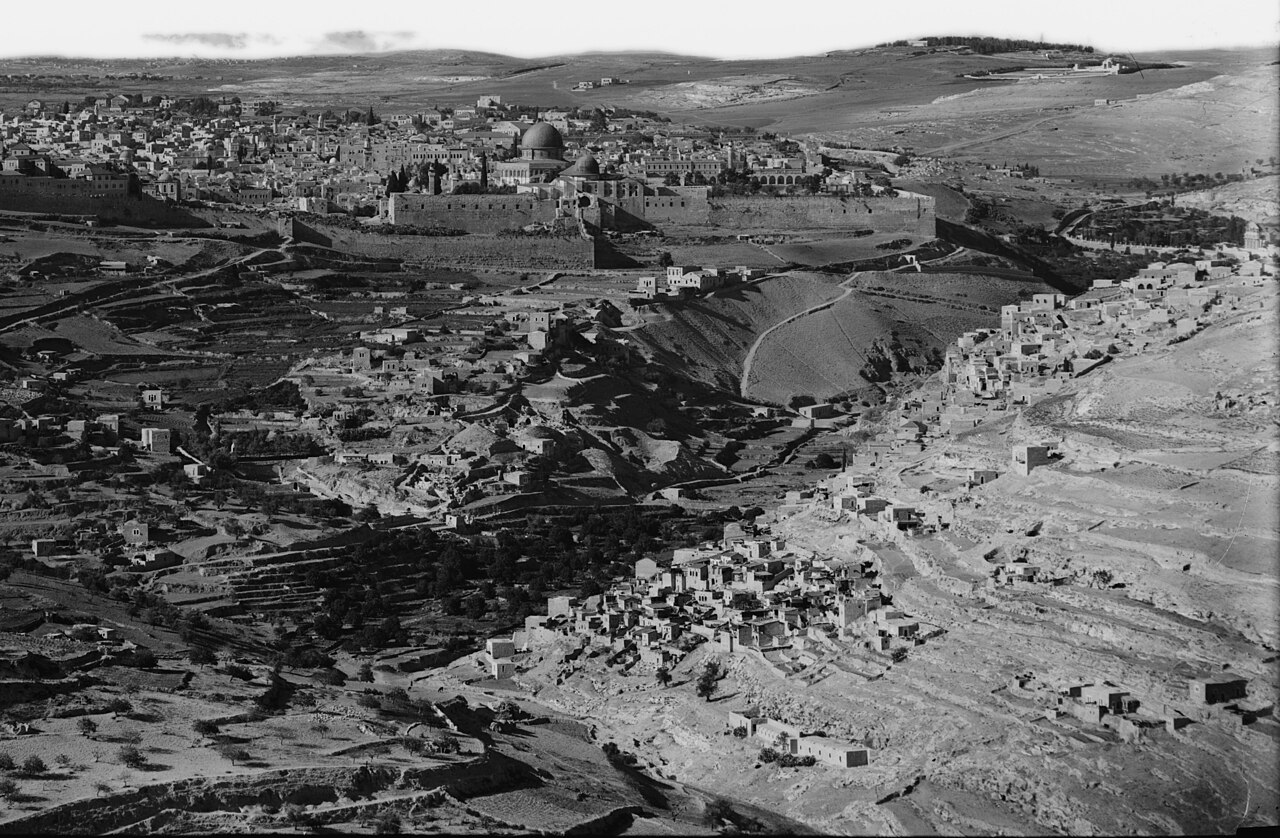
Families Resettling Jerusalem
"One of ten to dwell in Jerusalem the holy city"
"And the rulers of the people dwelt at Jerusalem: the rest of the people also cast lots, to bring one of ten to dwell in Jerusalem the holy city, and nine parts to dwell in other cities. And the people blessed all the men, that willingly offered themselves to dwell at Jerusalem."
The list names 468 "valiant men" of the sons of Perez, 928 of Benjamin, 1,192 priests in three groups, 284 Levites and 172 gatekeepers. The Nethinim live on Ophel. Uzzi son of Bani oversees the Levites; Pethahiah represents the people at the king's side.
Outside the city, the people of Judah live in Kiriath-arba (Hebron), Dibon, Jekabzeel, Jeshua, Beersheba, Ziklag, Zorah, Jarmuth, Zanoah, Adullam, Lachish and Azekah, "from Beersheba unto the valley of Hinnom." Benjamin lives from Geba to Michmash, Aija, Bethel, Anathoth, Nob, Ananiah, Hazor, Ramah, Gittaim, Hadid, Zeboim, Neballat, Lod and Ono, "the valley of craftsmen."
A tithe of people
Moving one family in ten into Jerusalem is a "tithe" of population. Lots were a way of leaving choice to God (Proverbs 16:33). The people "blessed" those who volunteered, suggesting that living in the city was a burden: less farmland, more danger and labor.
Comparing 1 Chronicles 9
1 Chronicles 9:2–34 lists Jerusalem's inhabitants with many of the same names (Athaiah/Uthai, Sallu, Adaiah, Maasai, Amashsai) and different numbers. The lists may come from a common source used at different times. They are related, not identical copies.
The villages
Judah's villages reach Beersheba, Ziklag and Lachish in the south; Benjamin's reach Lod and Ono in the west. Several (Kiriath-arba, Dibon, Beersheba, Ziklag) lie outside what archaeologists usually reconstruct as Persian Yehud, which ended around Beth-zur. Some scholars think the list describes where Judeans lived, including outside the province, or reflects an ideal, older map of Judah (Joshua 15).
How many lived in Jerusalem?
Estimates for Persian-period Jerusalem range from a few hundred (Finkelstein, using a small settled area) to a few thousand (others). The figures in Nehemiah 11 total about 3,000 men; with families, perhaps 10,000–12,000. Low archaeological estimates and the biblical numbers do not fit easily; the debate turns on how much of the city was settled and how finds are dated.
What the evidence shows
- Lots were cast to settle one family in ten in Jerusalem. Biblical narrative.
- Nehemiah 11 and 1 Chronicles 9 share many names.
- Persian-period Jerusalem had only a few hundred inhabitants.Source: I. Finkelstein, "Persian Period Jerusalem and Yehud: A Rejoinder," Journal of Hebrew Scriptures 9 (2009) ↗
Continue the journey
Journey of a PassageNehemiah 11:1–24 and 1 Chronicles 9:2–34: Jerusalem's residents in two listsNehemiah 11 and 1 Chronicles 9 list Jerusalem's inhabitants after the exile with many shared names and different numbers: e.g.More from this lesson
Why this matters to the rest of Scripture
- The related list.
- Judah's towns in the allotment.
- "The lot is cast into the lap."