Psalm 94: God of Vengeance, Shine Forth
Against judges who crush the widow and the stranger
"O LORD God, to whom vengeance belongeth; O God, to whom vengeance belongeth, shew thyself. Lift up thyself, thou judge of the earth: render a reward to the proud. LORD, how long shall the wicked triumph?… They break in pieces thy people, O LORD… They slay the widow and the stranger, and murder the fatherless. Yet they say, The LORD shall not see, neither shall the God of Jacob regard it."
"Understand, ye brutish among the people… He that planted the ear, shall he not hear? he that formed the eye, shall he not see? He that chastiseth the heathen, shall not he correct?… Blessed is the man whom thou chastenest, O LORD, and teachest him out of thy law."
"Who will rise up for me against the evildoers?… Unless the LORD had been my help, my soul had almost dwelt in silence. When I said, My foot slippeth; thy mercy, O LORD, held me up. In the multitude of my thoughts within me thy comforts delight my soul. Shall the throne of iniquity have fellowship with thee, which frameth mischief by a law?… But the LORD is my defence."
Injustice by law
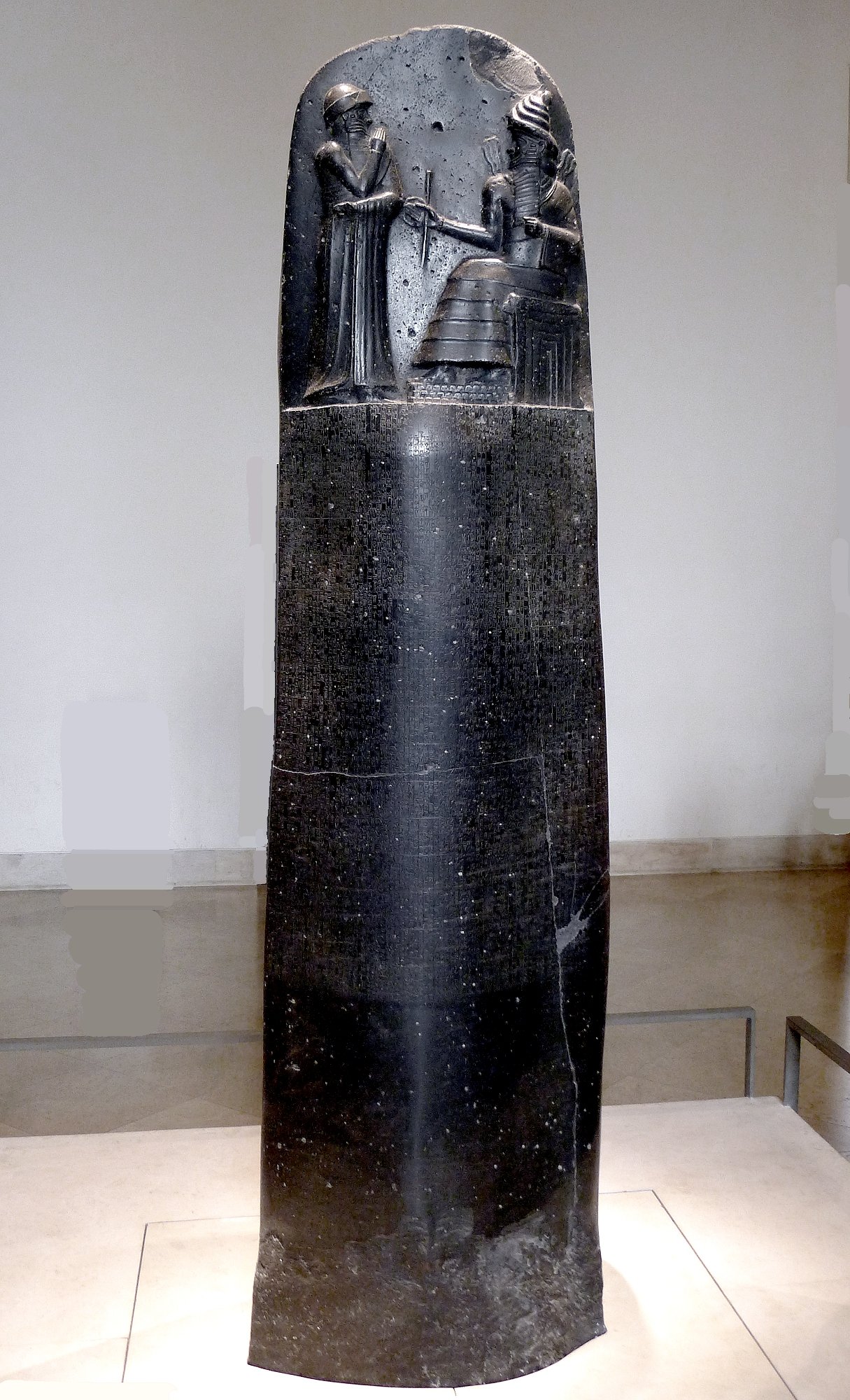
"The throne of iniquity… which frameth mischief by a law" describes rulers who use legal process to oppress: injustice written into decrees. The victims named, widow, stranger and orphan, are those the Torah singles out for protection (Exodus 22:21–24; Deuteronomy 24:17).
A God who sees
The argument of vv. 9–10 is simple: the maker of the ear and eye cannot be deaf and blind. The oppressors' claim "The LORD shall not see" is the practical atheism of Psalms 10 and 14.
"God of vengeance"
El neqamot means God as the one who vindicates, the judge who sets wrongs right, not private revenge. The psalm asks God to act as judge because human judges have become oppressors; compare Deuteronomy 32:35 ("To me belongeth vengeance"), quoted in Romans 12:19 against personal retaliation.
Heading and Wednesday
The Hebrew has no heading. The library's Vulgate reads "Psalmus ipsi David, quarta sabbati," "for the fourth day of the week," matching the Mishnah's Wednesday psalm. The Mishnah (Tamid 7:4) lists the psalm the Levites sang each day in the temple: Sunday 24, Monday 48, Tuesday 82, Wednesday 94, Thursday 81, Friday 93, Sabbath 92. The Greek headings preserved in the library's Vulgate mark several of these days, showing the custom was known to the Greek translators.
What the evidence shows
- The Greek/Latin heading assigns Psalm 94 to Wednesday.Source: The site's library: Westminster Leningrad Codex, KJV, Clementine Vulgate (Gallican Psalter), Giguet's French of the Greek, Douay-Rheims
- "God of vengeance" refers to judicial vindication.
Continue the journey
Connected elsewhere in ScriptureThe Song of Moses: The Nations and Heavenly BeingsDeuteronomy 32:35: "To me belongeth vengeance."More from this lesson
Why this matters to the rest of Scripture
- "To me belongeth vengeance."
- The stranger, widow and fatherless.
- "God hath forgotten: he hideth his face."