Psalm 29: The Voice of the LORD
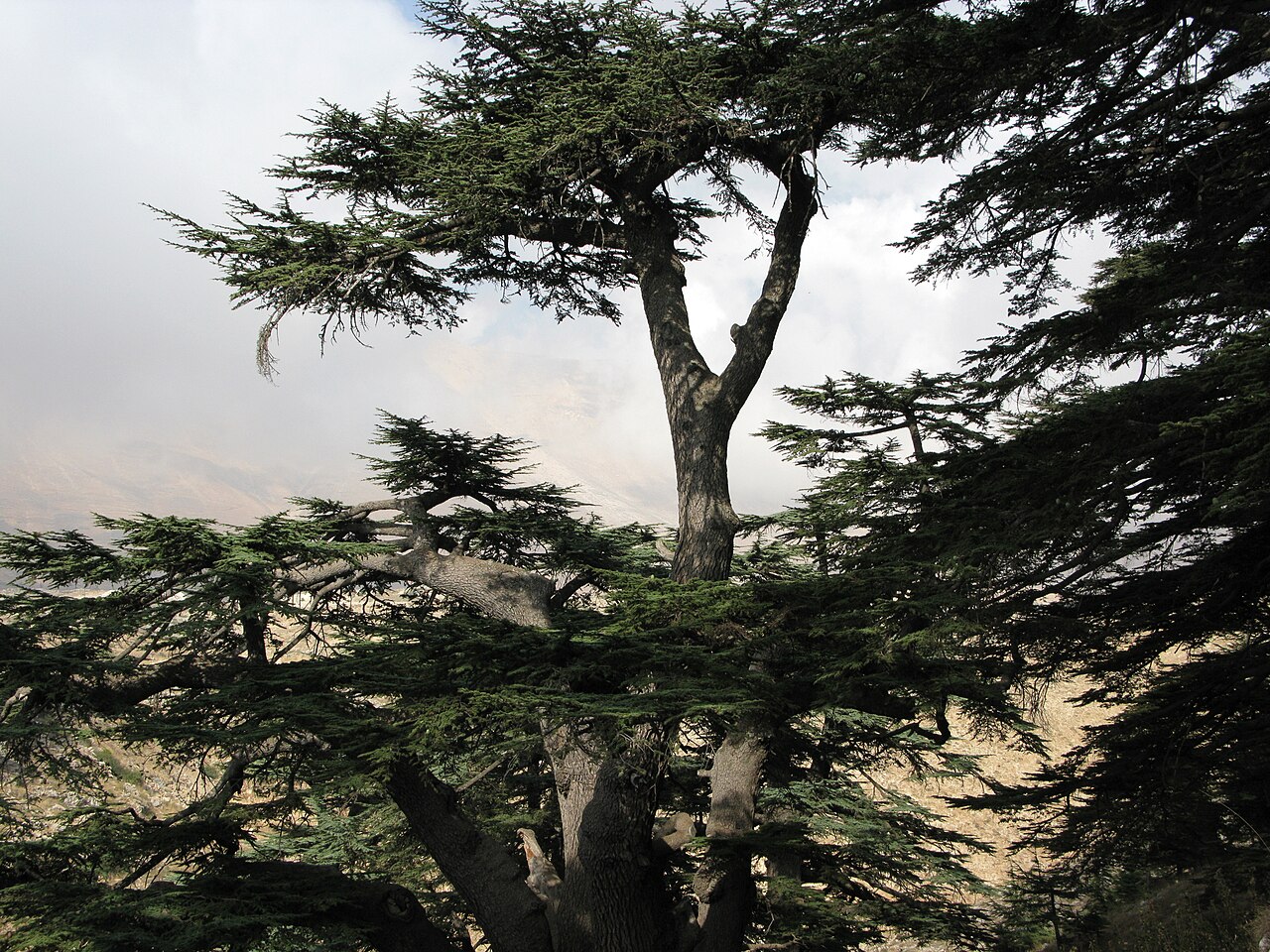
A thunderstorm over the sea, Lebanon and the desert
"Give unto the LORD, O ye mighty, give unto the LORD glory and strength. Give unto the LORD the glory due unto his name; worship the LORD in the beauty of holiness." The ones addressed are the bene elim, literally "sons of gods": the heavenly beings around God's throne are summoned to praise.
"The voice of the LORD is upon the waters: the God of glory thundereth: the LORD is upon many waters. The voice of the LORD is powerful; the voice of the LORD is full of majesty." Qol YHWH, "the voice of the LORD," sounds seven times, like seven claps of thunder.
"The voice of the LORD breaketh the cedars; yea, the LORD breaketh the cedars of Lebanon. He maketh them also to skip like a calf; Lebanon and Sirion like a young unicorn. The voice of the LORD divideth the flames of fire. The voice of the LORD shaketh the wilderness; the LORD shaketh the wilderness of Kadesh." The storm comes in from the Mediterranean, smashes the northern mountains (Sirion is Mount Hermon, Deuteronomy 3:9), and passes south to the desert.
"The voice of the LORD maketh the hinds to calve, and discovereth the forests: and in his temple doth every one speak of his glory. The LORD sitteth upon the flood; yea, the LORD sitteth King for ever. The LORD will give strength unto his people; the LORD will bless his people with peace." After the thunder, the last word is shalom.
A Canaanite-style hymn
Since H. L. Ginsberg (1935), many scholars have seen Psalm 29 as adapted from, or modelled on, a hymn to Baal: Baal's voice is thunder in the Ugaritic texts; he is enthroned over the waters; the setting is Lebanon and Sirion, Baal's region. The repeated-step parallelism ("give unto the LORD… give unto the LORD") is common in Ugaritic poetry. Whether an actual Baal hymn lies behind it, or Israelite poets used the shared idiom, is debated. Either way the poem proclaims the LORD, not Baal, as king.
The flood
"The LORD sitteth upon the flood": the word mabbul occurs elsewhere in the Bible only of Noah's flood (Genesis 6–11). God is enthroned above the waters that once covered the earth.
"Bring young rams"
29:1 Hebrew havu la-YHWH bene elim, "ascribe to the LORD, sons of gods." The Greek and the library's Vulgate read two lines: "Bring to the Lord, sons of God; bring to the Lord the young of rams" (Vulgate "Afferte Domino, filii Dei, afferte Domino filios arietum"). The translators seem to have read elim both as "gods" and as eilim, "rams," a double translation of one word. See the passage page.
A Greek title
The library's Vulgate title adds "in consummatione tabernaculi," "at the completion of the tabernacle" (Greek exodiou skēnēs, which may mean "at the close of the Feast of Tabernacles"). In Jewish liturgy Psalm 29 is sung on Sabbath mornings when the Torah scroll is returned to the ark, and on Friday evening at the welcoming of the Sabbath.
Sirion
Sirion is the Sidonian name for Hermon (Deuteronomy 3:9). The Ugaritic texts also pair Lebanon and Siryon, cedars from which were brought for Baal's palace.
What the evidence shows
- "Voice of the LORD" occurs seven times in Psalm 29.Source: The site's library: Westminster Leningrad Codex, KJV, Clementine Vulgate (Gallican Psalter), Giguet's French of the Greek, Douay-Rheims
- The Greek/Latin of 29:1 adds "bring the young of rams."Source: The site's library: Westminster Leningrad Codex, KJV, Clementine Vulgate (Gallican Psalter), Giguet's French of the Greek, Douay-Rheims
- Psalm 29 was adapted from a Baal hymn. Shared Ugaritic idiom is clear; a specific source is not known.Source: M. S. Smith and W. T. Pitard, The Ugaritic Baal Cycle (VTSup, 1994–2009)
Continue the journey
Journey of a PassagePsalm 29:1: "Sons of gods" and young ramsHebrew: "Ascribe to the LORD, O sons of gods (bene elim), ascribe to the LORD glory and strength." The Greek and Latin have an extra line: "Bring to the Lord, sons of God; bring to the Lord young rams." The Vulgate title also adds "at the completion of the tabernacle."More from this lesson
Why this matters to the rest of Scripture
- The mabbul, the flood.
- The LORD thundered in the heavens.
- "The LORD, he is the God."