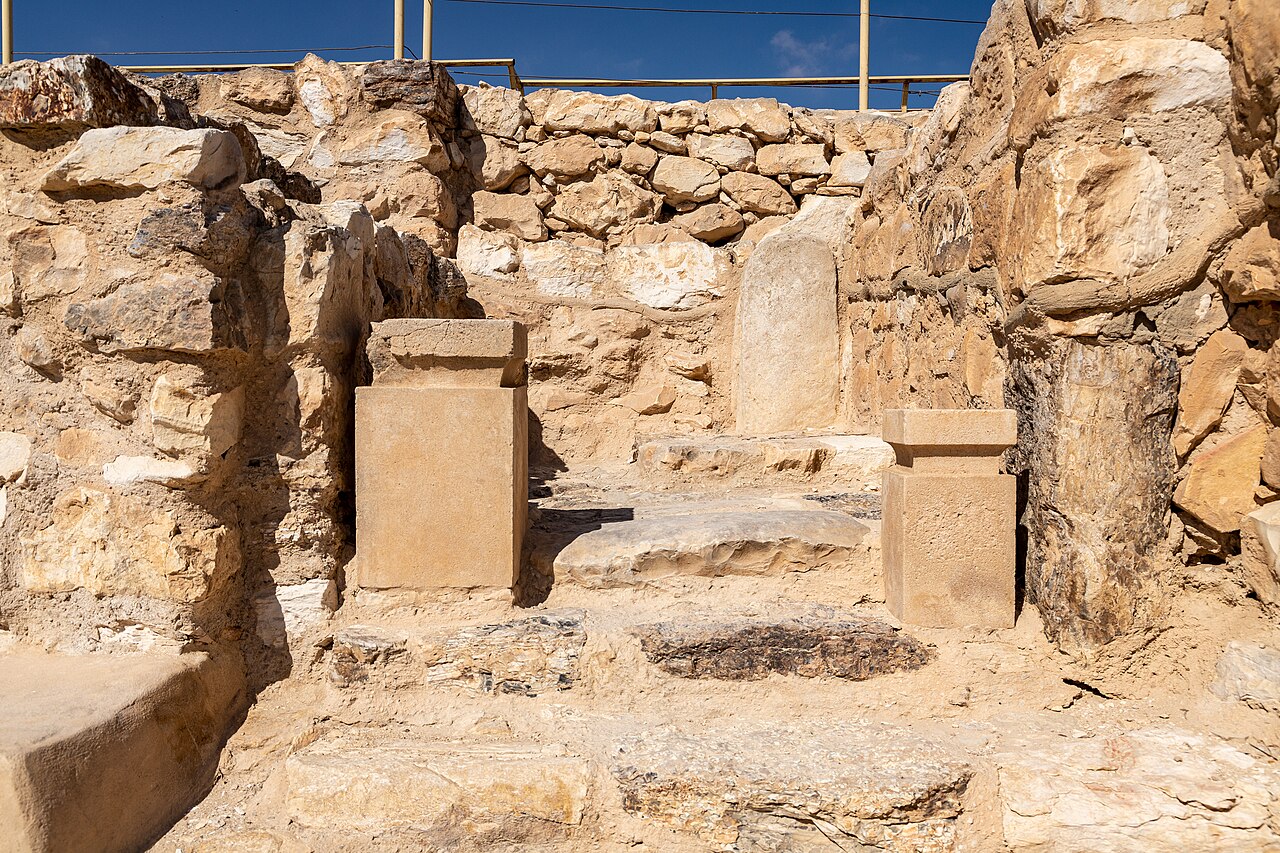
"The mighty God, even the LORD, hath spoken, and called the earth from the rising of the sun unto the going down thereof. Out of Zion, the perfection of beauty, God hath shined. Our God shall come, and shall not keep silence: a fire shall devour before him… He shall call to the heavens from above, and to the earth, that he may judge his people."
"Gather my saints together unto me; those that have made a covenant with me by sacrifice… I will not reprove thee for thy sacrifices… I will take no bullock out of thy house… For every beast of the forest is mine, and the cattle upon a thousand hills… If I were hungry, I would not tell thee: for the world is mine, and the fulness thereof. Will I eat the flesh of bulls, or drink the blood of goats? Offer unto God thanksgiving; and pay thy vows unto the most High: and call upon me in the day of trouble: I will deliver thee, and thou shalt glorify me."
"But unto the wicked God saith, What hast thou to do to declare my statutes…? When thou sawest a thief, then thou consentedst with him… Thou sittest and speakest against thy brother… These things hast thou done, and I kept silence; thou thoughtest that I was altogether such an one as thyself: but I will reprove thee… Now consider this, ye that forget God… Whoso offereth praise glorifieth me."
A covenant lawsuit
God summons heaven and earth as witnesses (compare Deuteronomy 32:1; Isaiah 1:2; Micah 6:1–2) and brings charges against his own people. The form is called a riv, a lawsuit. The first charge concerns worship, the second conduct: the commandments against theft, adultery and false witness are echoed in vv. 18–20.
Does God eat?
In Mesopotamian temples the gods were served two meals a day, the food laid before their statues. Psalm 50 mocks the idea that Israel's God needs food: he owns every animal. Sacrifice is not abolished, but the offering God wants is todah, thanksgiving.
Asaph
"A Psalm of Asaph." Asaph was a Levite musician appointed by David (1 Chronicles 16:5–7); 2 Chronicles 29:30 speaks of "the words of David, and of Asaph the seer." Twelve psalms bear his name: 50 and 73–83. Psalm 50 stands apart from the other eleven, perhaps placed here to precede Psalm 51's "thou desirest not sacrifice." The heading probably names a guild or collection.
Three names of God
The opening "El Elohim YHWH" stacks three divine names, as in Joshua 22:22. The library's Vulgate renders "Deus deorum Dominus," "the God of gods, the Lord," reading El Elohim as "God of gods."
"The sacrifice of praise"
The library's Vulgate renders 50:14 "Immola Deo sacrificium laudis" ("Offer to God the sacrifice of praise"). Hebrews 13:15 urges Christians to "offer the sacrifice of praise to God continually," and the phrase "sacrificium laudis" entered the Roman Canon of the Mass. The idea that thanksgiving is itself an offering goes back to this psalm and to the todah (thank offering) of Leviticus 7:12.
What the evidence shows
- Twelve psalms are headed "of Asaph" (50, 73–83).
- Psalm 50 uses a covenant-lawsuit form.
Continue the journey
Connected in this bookPsalm 51: Have Mercy on Me, O GodPsalm 51:16–17: "Thou desirest not sacrifice."More from this lesson
Why this matters to the rest of Scripture
- The LORD's controversy with his people.
- "Thou desirest not sacrifice."
- "The sacrifice of praise."