Psalm 68: Let God Arise
God's march from Sinai to Zion, in the Psalter's hardest Hebrew
"Let God arise, let his enemies be scattered: let them also that hate him flee before him. As smoke is driven away, so drive them away: as wax melteth before the fire, so let the wicked perish at the presence of God. But let the righteous be glad… Sing unto God, sing praises to his name: extol him that rideth upon the heavens by his name JAH."
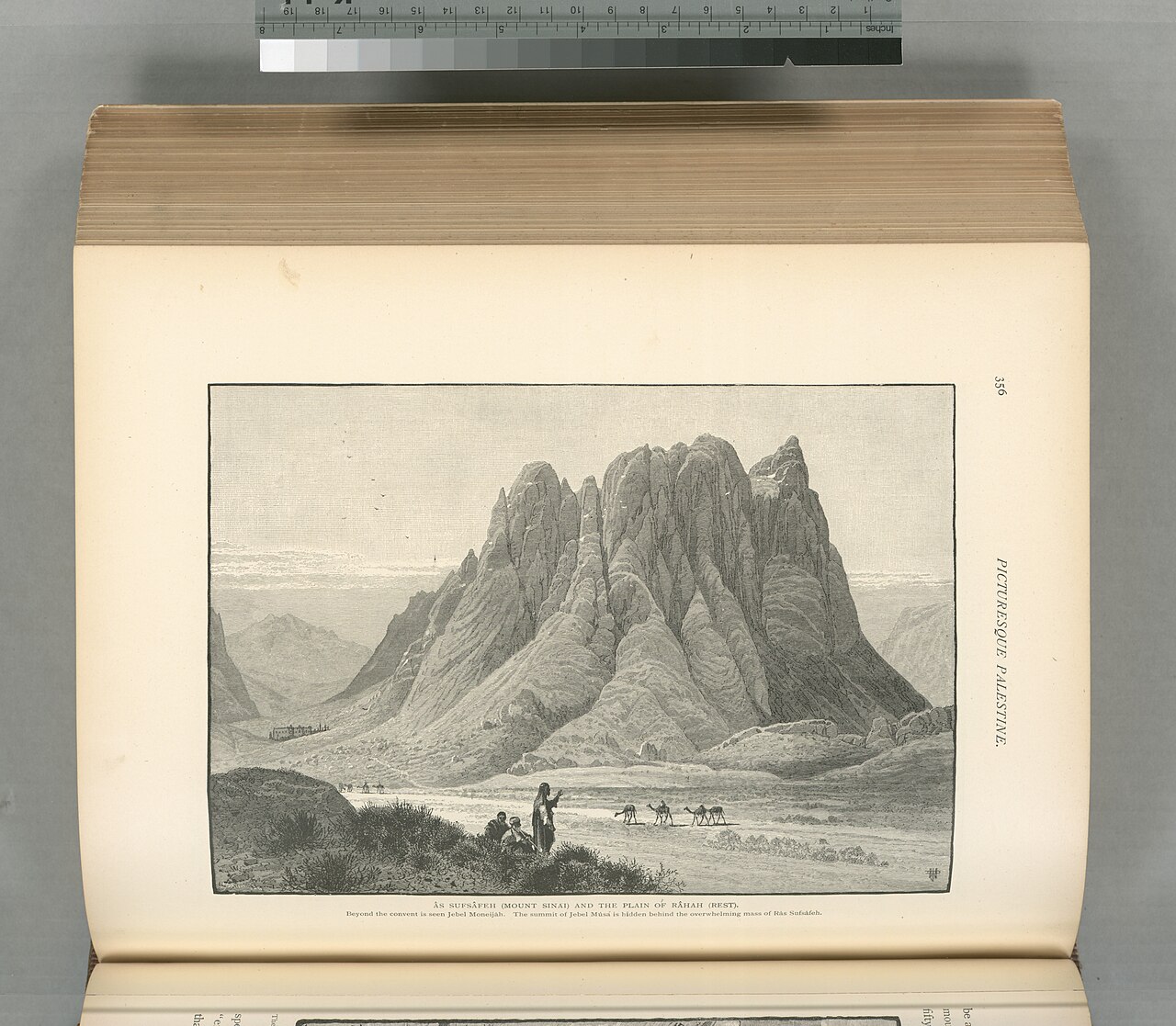
"A father of the fatherless, and a judge of the widows, is God in his holy habitation. God setteth the solitary in families… O God, when thou wentest forth before thy people, when thou didst march through the wilderness; Selah: the earth shook, the heavens also dropped at the presence of God: even Sinai itself was moved at the presence of God, the God of Israel."
"The Lord gave the word: great was the company of those that published it. Kings of armies did flee apace: and she that tarried at home divided the spoil… The hill of God is as the hill of Bashan… Why leap ye, ye high hills? this is the hill which God desireth to dwell in… The chariots of God are twenty thousand, even thousands of angels: the Lord is among them, as in Sinai, in the holy place. Thou hast ascended on high, thou hast led captivity captive: thou hast received gifts for men; yea, for the rebellious also, that the LORD God might dwell among them."
"They have seen thy goings, O God… The singers went before, the players on instruments followed after; among them were the damsels playing with timbrels… There is little Benjamin with their ruler, the princes of Judah and their council, the princes of Zebulun, and the princes of Naphtali… Princes shall come out of Egypt; Ethiopia shall soon stretch out her hands unto God. Sing unto God, ye kingdoms of the earth… To him that rideth upon the heavens of heavens, which were of old."
An old war cry
The opening repeats the words spoken when the ark set out in the wilderness: "Rise up, LORD, and let thine enemies be scattered" (Numbers 10:35), with "God" for "the LORD." Verses 7–8 are close to the Song of Deborah (Judges 5:4–5): "the earth trembled… even that Sinai." Both are among the Bible's oldest poems, which is one reason Psalm 68 is often thought to contain very old material.
Bashan and Zion
Mount Bashan (probably Hermon, or the volcanic Jebel Druze) is a "mountain of God" (har elohim, perhaps "mighty mountain") with many peaks; it looks with envy at the lower hill God chose. As in Psalm 48, Zion's greatness is a matter of God's choice, not height.
The procession
Singers, musicians, young women with timbrels, and the tribes: Benjamin, the smallest, first; Judah; and two northern tribes, Zebulun and Naphtali, the heroes of Deborah's battle (Judges 5:18). The list may reflect a real temple procession; it imagines a united Israel.
"Rides upon the heavens" or "through the deserts"
68:4 Hebrew sollu la-rokhev ba-'aravot: "lift up a song for him who rides through the deserts ('aravot)." Ugaritic poems call Baal rkb 'rpt, "Rider of the Clouds"; many scholars think 'aravot should be read 'arafot, "clouds," or that the psalm deliberately plays on Baal's title (compare v. 33, "him that rideth upon the heavens of heavens"). The Greek read 'erev, "evening/west": "him who rides upon the setting sun" (Vulgate "qui ascendit super occasum"; Giguet "celui qui monte vers l'Occident"). See the passage page.
"Received gifts" or "gave gifts"
68:18 Hebrew laqahta mattanot ba'adam: "you received gifts among men" (or "in the form of men"), the victor taking tribute from the defeated. Ephesians 4:8 quotes the verse as "he gave gifts unto men," of Christ's ascension and the gifts he gives the church. The Aramaic Targum and the Syriac Peshitta are reported to read "you gave gifts," which suggests that the "gave" interpretation was known in Jewish tradition before or alongside Paul. The library's Greek and Latin follow the Hebrew "received" (Vulgate "accepisti dona in hominibus"). See the passage page.
Ethiopia stretching out her hands
68:31: "Cush shall soon stretch out her hands unto God." Cush is the land south of Egypt (Nubia). In the 18th–19th centuries the verse became central to "Ethiopianism," the hope among African and African American Christians of a renewal of Africa through faith; it is also cherished in the Ethiopian Orthodox tradition.
A collection of first lines?
W. F. Albright (1950) proposed that Psalm 68 is a catalogue of the opening lines of about thirty older poems. The theory explains its abrupt shifts but has not won general agreement; others see a deliberately composed processional hymn. The heading is "To the chief Musician, A Psalm or Song of David" (Greek and Latin 67).
What the evidence shows
- 68:1 adapts Numbers 10:35.
- 68:7–8 parallels Judges 5:4–5.
- Ephesians 4:8 has "gave" where the Hebrew of 68:18 has "received."
- The Targum and Peshitta read "gave" in 68:18. Reported in scholarship; not checked by the site.
- Psalm 68 is a catalogue of first lines.
Continue the journey
Journey of a PassagePsalm 68:4: The rider through the deserts, the clouds, or the westHebrew: "extol him who rides through the deserts ('aravot)." KJV: "him that rideth upon the heavens." Many scholars connect the phrase with Baal's Ugaritic title "Rider of the Clouds" (rkb 'rpt).More from this lesson
Why this matters to the rest of Scripture
- "Rise up, LORD, and let thine enemies be scattered."
- "The mountains melted… even that Sinai."
- "He led captivity captive, and gave gifts unto men."