Investigation: The Suffering Righteous and the Problem of Evil
Laments that argue with God, and a psalm that ends in darkness
"How long wilt thou forget me, O LORD? for ever? how long wilt thou hide thy face from me?" (13:1). "My God, my God, why hast thou forsaken me?" (22:1). "Awake, why sleepest thou, O Lord?… All this is come upon us; yet have we not forgotten thee, neither have we dealt falsely in thy covenant" (44:23, 17).
These are not polite prayers. The laments address God directly, describe suffering in the strongest images the poets could find (bones out of joint, a heart like wax, the pit, the waters), accuse enemies and sometimes accuse God, and demand an answer. The Psalter keeps them in its centre, in the book of Israel's praise.
Psalm 88 is the hardest. Its speaker has been afflicted "from my youth up," cut off "like the slain that lie in the grave," and asks "Shall thy wonders be known in the dark?" It ends: "Lover and friend hast thou put far from me, and mine acquaintance into darkness" (88:18), or in Hebrew, more starkly, "my companions: darkness." There is no turn to praise. The site does not supply one.
The shape of a lament
Form critics (H. Gunkel, C. Westermann) described a common pattern: address to God; complaint (about suffering, enemies, and God's absence); a statement of trust; petition; and a vow or anticipation of praise. Often the mood changes abruptly near the end (Psalms 6:8; 13:5; 22:21–22), which some scholars explain by a priestly word of assurance spoken in the sanctuary between the lines; others by the logic of faith itself. The pattern is a description, not a rule; Psalm 88 breaks it.
| Psalm | Who suffers | How it ends |
|---|---|---|
| 6, 38 | A sick person who connects illness with sin (38) or does not (6) | Confidence that God has heard (6:8–10); continued plea (38:21–22) |
| 13 | An individual feeling forgotten | Trust and song (13:5–6) |
| 22 | An individual mocked, encircled, near death | A great thanksgiving reaching the nations and the unborn (22:22–31) |
| 44 | The nation, defeated though faithful | "Arise for our help" (no resolution) |
| 73 | A believer envious of the prospering wicked | Resolved in the sanctuary: "whom have I in heaven but thee?" |
| 77 | An individual: "Hath God forgotten to be gracious?" | Remembers the exodus; ends at the sea, without a stated resolution |
| 88 | An individual near death from youth | Darkness |
| 89 | The king and people; the covenant broken | "Lord, where are thy former lovingkindnesses?" then the doxology |
Psalm 37: a promise, not a mechanism
"Fret not thyself because of evildoers… For they shall soon be cut down like the grass" (37:1–2). "I have been young, and now am old; yet have I not seen the righteous forsaken, nor his seed begging bread" (37:25). This is the wisdom voice: in the long run, the just are vindicated. Read alone, it can sound like a guarantee that the faithful never suffer want. The Psalter does not read it alone: Psalms 44, 73 and 88 report the opposite experience, and Job argues it out at length. The site presents 37 as one voice within that conversation, not as a formula.
Psalm 49 and 73: looking beyond death?
Psalm 49:15 ("God will redeem my soul from the power of the grave: for he shall receive me") and 73:24 ("afterward receive me to glory") use the verb laqach, "take," used of Enoch (Genesis 5:24) and Elijah (2 Kings 2:10). Many readers find here an early hope of life with God beyond death; others read rescue from premature death. Most of the Psalter assumes the grave (Sheol) is silent (6:5; 88:10–12; 115:17). Both readings are recorded on the lesson pages.
Comparisons
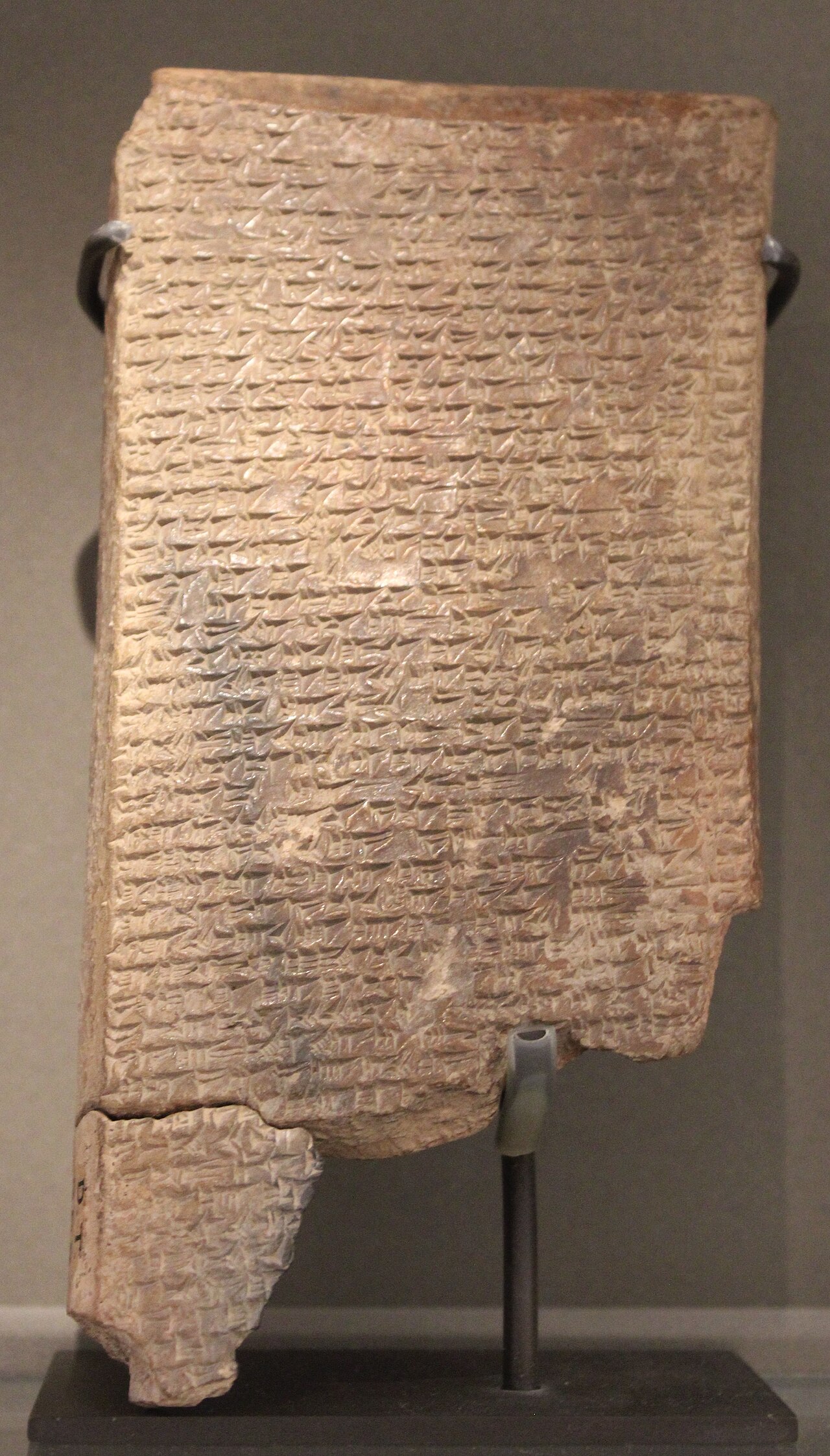
Mesopotamia produced poems of a righteous sufferer: the Babylonian Ludlul bel nemeqi ("I will praise the lord of wisdom," late 2nd millennium BC), the Babylonian Theodicy (an acrostic dialogue), and the Sumerian "Man and his God." Like the psalms they describe illness, abandonment by friends and the silence of the god, and like most laments Ludlul ends in restoration. Egypt has the Dialogue of a Man with his Ba. These parallels show that the question was widespread; they do not show that a psalm depends on any of them. See the echo The righteous sufferer and the investigation The Righteous Sufferer Before Job.
Within the Bible
Job dramatizes the friends' theology (suffering proves sin) and rejects it. Ecclesiastes observes that the righteous and wicked share one fate (9:2–3). Lamentations voices a destroyed city's grief. Isaiah 52:13–53:12 portrays a servant whose suffering is for others. Psalm 22 and Psalm 69 later became, for Christians, the words of Jesus' passion; that reception is described in the Jesus investigation and does not replace their own voice.
Jewish and Christian use
Psalm 22 is read in some Jewish traditions on Purim with reference to Esther (Midrash Tehillim on 22, "the hind of the dawn"); Psalm 13 and 130 are among psalms recited in times of distress; Psalm 88's darkness has been prayed in hospitals and in the Holocaust's aftermath. Christian monastic offices sing all the laments through each week or month. Modern pastoral writing (for example W. Brueggemann's on the "psalms of disorientation") has argued that churches lose something real when they stop praying laments.
What the site will not do
It will not end Psalm 88 with hope it does not voice, turn Psalm 37 into a promise of wealth, or treat suffering as proof of sin; nor will it present the Psalter's trust as naïve. It shows the full range.
What the evidence shows
- Laments are the most frequent type of psalm.Source: W. Brueggemann and W. H. Bellinger Jr., Psalms (Cambridge University Press, 2014), introduction (excerpt) ↗
- Psalm 88 ends without a turn to praise.Source: The site's library: Westminster Leningrad Codex, KJV, Clementine Vulgate (Gallican Psalter), Giguet's French of the Greek, Douay-Rheims
- The sudden change of mood in many laments reflects a priestly oracle of assurance. One explanation among several.
- Psalms 49:15 and 73:24 express hope of life with God after death.
- Psalm 37 guarantees that the righteous never suffer want. Other psalms and Job report otherwise; 37 is one voice in the conversation.
Continue the journey
Journey of a PassagePsalm 22:16: "Like a lion" or "they pierced"The Masoretic Text reads ka'ari, "like a lion, my hands and my feet," a line without a verb.More from this lesson
Why this matters to the rest of Scripture
- Job 3; 42:7Protest, and God's verdict that Job spoke rightly.
- One event to the righteous and the wicked.
- A sufferer's lament in acrostic form.