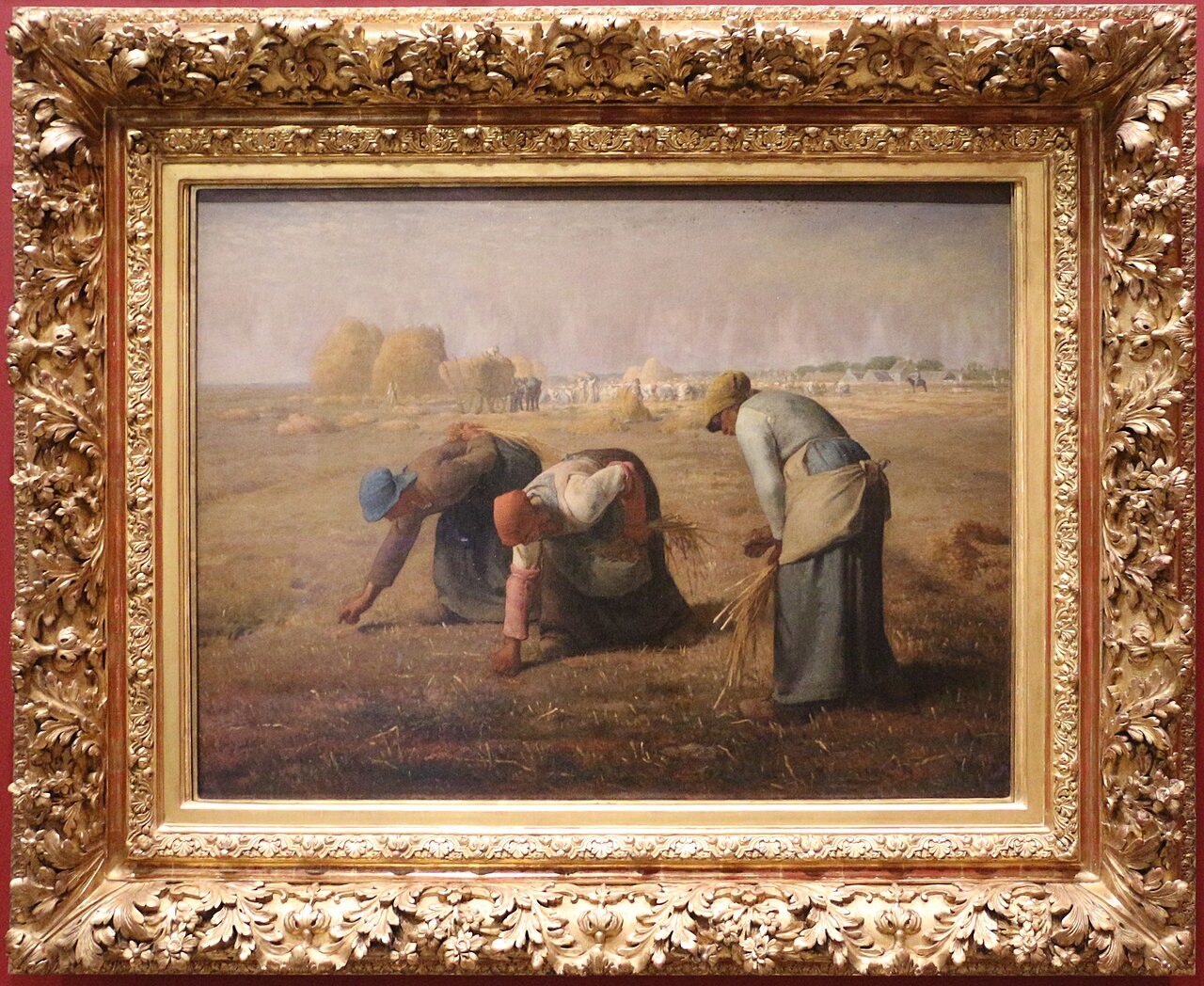
"Praise ye the LORD. Praise the LORD, O my soul. While I live will I praise the LORD: I will sing praises unto my God while I have any being. Put not your trust in princes, nor in the son of man, in whom there is no help. His breath goeth forth, he returneth to his earth; in that very day his thoughts perish."
"Happy is he that hath the God of Jacob for his help, whose hope is in the LORD his God: which made heaven, and earth, the sea, and all that therein is: which keepeth truth for ever: which executeth judgment for the oppressed: which giveth food to the hungry. The LORD looseth the prisoners: the LORD openeth the eyes of the blind: the LORD raiseth them that are bowed down: the LORD loveth the righteous: the LORD preserveth the strangers; he relieveth the fatherless and widow… The LORD shall reign for ever, even thy God, O Zion, unto all generations. Praise ye the LORD."
Princes and the poor
Rulers die and their plans with them ("his thoughts perish"); God reigns for ever. His reign is defined by what he does for the oppressed, the hungry, prisoners, the blind, the bowed down, strangers, orphans and widows. Jesus' programme in Luke 4:18 (from Isaiah 61) and his answer to John's disciples (Luke 7:22) use the same list.
Setting
The psalm's setting is congregational worship: an individual voice ("O my soul") calls the community to trust God rather than rulers. It names no ruler or event.
The final Hallel
Psalms 146–150 have no heading other than "Praise ye the LORD" (hallelu-yah), with which each begins and ends; the Greek and Latin put "Alleluia" at their head. They are the closing doxology of the whole Psalter and are recited every morning in Jewish worship (Pesukei de-Zimra). The library's Vulgate heading adds "Aggaei et Zachariae," another Greek heading naming the prophets of the return (compare Psalm 112).
What the evidence shows
- Psalms 146–150 each begin and end with Hallelujah.Source: The site's library: Westminster Leningrad Codex, KJV, Clementine Vulgate (Gallican Psalter), Giguet's French of the Greek, Douay-Rheims
- The Vulgate heading names Haggai and Zechariah.Source: The site's library: Westminster Leningrad Codex, KJV, Clementine Vulgate (Gallican Psalter), Giguet's French of the Greek, Douay-Rheims
Continue the journey
Connected elsewhere in ScriptureRemember the WildernessDeuteronomy 10:18: "He doth execute the judgment of the fatherless and widow."More from this lesson
Why this matters to the rest of Scripture
- "To preach deliverance to the captives."
- "He doth execute the judgment of the fatherless and widow."