Psalm 43: Send Out Your Light and Your Truth
The third stanza: to the altar of God
"Judge me, O God, and plead my cause against an ungodly nation: O deliver me from the deceitful and unjust man. For thou art the God of my strength: why dost thou cast me off? why go I mourning because of the oppression of the enemy?" The question repeats 42:9 almost word for word.
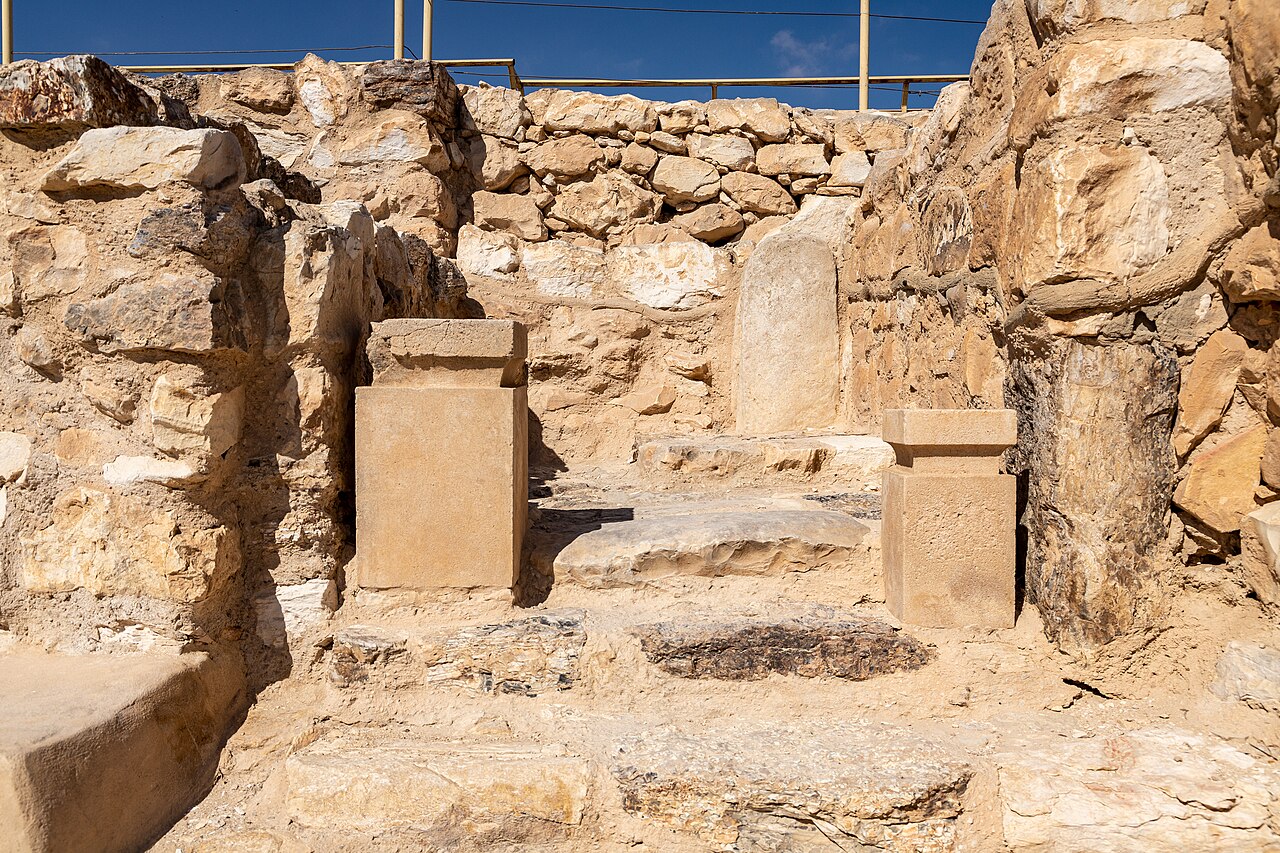
"O send out thy light and thy truth: let them lead me; let them bring me unto thy holy hill, and to thy tabernacles." Light and truth are pictured as two guides, sent ahead like messengers to bring the exile home.
"Then will I go unto the altar of God, unto God my exceeding joy: yea, upon the harp will I praise thee, O God my God. Why art thou cast down, O my soul? and why art thou disquieted within me? hope in God: for I shall yet praise him, who is the health of my countenance, and my God."
From memory to hope
In Psalm 42 the speaker remembers going to the house of God; in Psalm 43 he imagines going again, to the altar, harp in hand. Read as one poem, the three stanzas move from thirst (42:1–5) to overwhelming waters (42:6–11) to a prayer for guidance home (43:1–5).
Light and truth
Some interpreters connect "light and truth" with the Urim and Thummim, the priestly lots (Exodus 28:30), since the Greek translated Urim as "light" (dēlōsis) and Thummim as "truth" (alētheia) in some passages. The connection is suggestive, not established.
No heading
Psalm 43 is one of only two psalms in Book II without a Hebrew heading (with Psalm 71). The library's Vulgate gives it "Psalmus David"; the Greek tradition supplied a Davidic heading. See Psalm 42 on the case for one poem.
"Introibo ad altare Dei"
In the Latin Mass before 1970, the priest and server recited this psalm (Vulgate Psalm 42, "Judica me, Deus") at the foot of the altar, with the antiphon from v. 4: "Introibo ad altare Dei," "I will go in unto the altar of God." The psalm also gave its name to Passion Sunday's Introit, "Judica me." James Joyce opens Ulysses (1922) with Buck Mulligan intoning the line.
What the evidence shows
- Psalm 43 has no Hebrew heading; the Greek and Latin add "of David."Source: The site's library: Westminster Leningrad Codex, KJV, Clementine Vulgate (Gallican Psalter), Giguet's French of the Greek, Douay-Rheims
- "Light and truth" alludes to the Urim and Thummim.
Continue the journey
Journey of a PassagePsalm 42:5: Where does the refrain end?The refrain of Psalms 42–43 occurs three times.More from this lesson
Why this matters to the rest of Scripture
- "Why go I mourning because of the oppression of the enemy?"
- The Urim and Thummim.