"Behold, bless ye the LORD, all ye servants of the LORD, which by night stand in the house of the LORD. Lift up your hands in the sanctuary, and bless the LORD. The LORD that made heaven and earth bless thee out of Zion."
A night watch
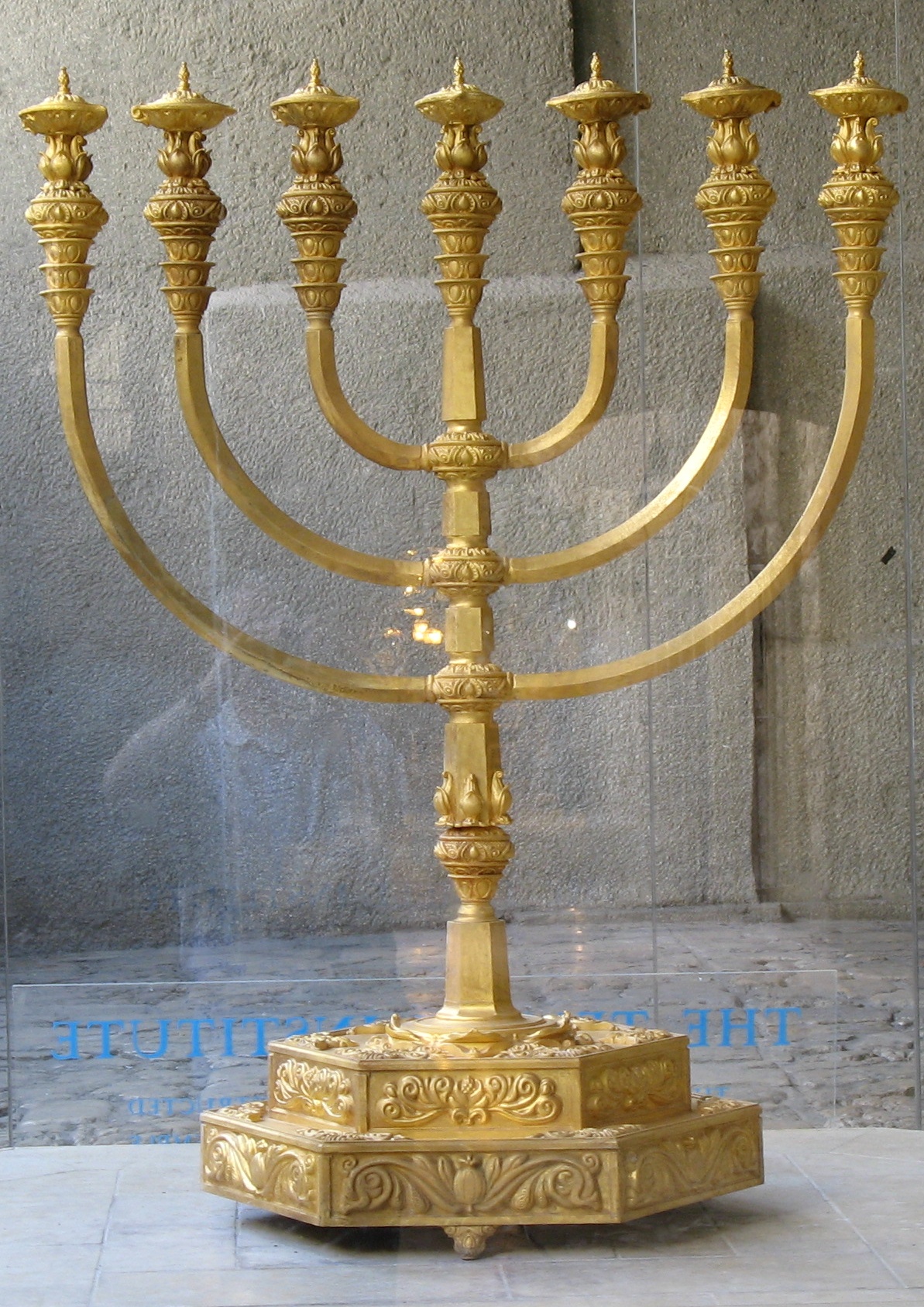
Levites and priests served in the temple through the night (1 Chronicles 9:33; the lampstand burned until morning, Exodus 27:20–21). The psalm may be an exchange: pilgrims leaving the temple call on the night servants to bless the LORD (vv. 1–2), and the servants answer with a blessing on them (v. 3).
Later use
Benedict's Rule assigns Psalms 4, 91 and 134 (Latin 4, 90, 133) to Compline, the night office, every day: the psalm that blesses those "which by night stand in the house of the LORD" closes the monastic day. In Jewish practice it ends the Songs of Ascents.
End of the Ascents
Psalm 134 closes the Songs of Ascents with blessing, as Psalm 120 opened them in distress far away. "Which made heaven and earth" recalls 121:2 and 124:8. In Benedict's Rule it is one of the psalms of Compline. The heading "A Song of degrees" (Vulgate "Canticum graduum") marks it as one of the fifteen Songs of Ascents (Psalms 120–134; see Psalm 120 for the possible meanings).
In the versions
The library's Vulgate ("Ecce nunc benedicite Dominum, omnes servi Domini") adds "in the courts of the house of our God" from the Greek (compare Psalm 135:2), a small expansion not in the Hebrew of 134:1.
What the evidence shows
- Psalm 134 closes the Songs of Ascents.
Continue the journey
Connected elsewhere in ScriptureReturnees and Jerusalem1 Chronicles 9:33: Singers employed day and night.More from this lesson
Why this matters to the rest of Scripture
- Singers employed day and night.
- "The LORD, which made heaven and earth."