"When the LORD turned again the captivity of Zion, we were like them that dream. Then was our mouth filled with laughter, and our tongue with singing: then said they among the heathen, The LORD hath done great things for them. The LORD hath done great things for us; whereof we are glad."
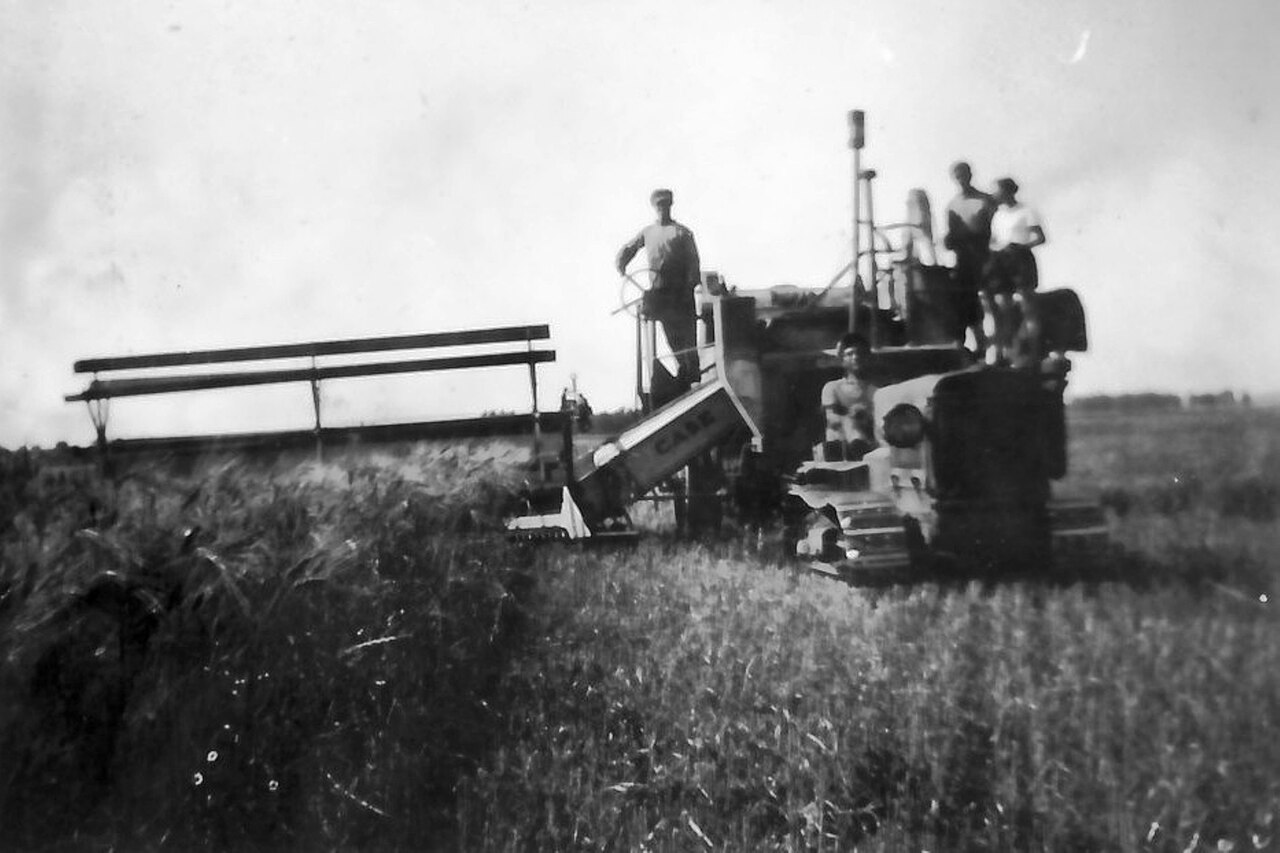
"Turn again our captivity, O LORD, as the streams in the south. They that sow in tears shall reap in joy. He that goeth forth and weepeth, bearing precious seed, shall doubtless come again with rejoicing, bringing his sheaves with him."
Streams in the Negev
The Negev, the dry south, has wadis that are empty most of the year and run with sudden floods after winter rain. "As the streams in the south" pictures a restoration that comes suddenly and transforms the desert. The second image, sowing in tears and reaping in joy, is slower: the hard labour of planting with no certainty of harvest.
Already and still to come
The first half remembers a restoration ("When the LORD turned again"); the second asks for one ("Turn again our captivity"). The psalm is often read in the light of the return from Babylon and the hardships that followed (Haggai 1; Nehemiah 1), though it names no event.
In worship and music
In Jewish practice Psalm 126 ("Shir ha-ma'alot") is sung before the Grace after Meals on Sabbaths and festivals. Brahms set vv. 5–6 at the opening of A German Requiem ("Selig sind, die da Leid tragen… Die mit Tränen säen"). "Turned again the captivity" (shuv shevut) can also mean "restored the fortunes." The heading "A Song of degrees" (Vulgate "Canticum graduum") marks it as one of the fifteen Songs of Ascents (Psalms 120–134; see Psalm 120 for the possible meanings).
"Like them that dream" or "like those comforted"
126:1 Hebrew ke-holmim, "like dreamers." The library's Vulgate reads "facti sumus sicut consolati," "we became like those comforted," following the Greek, which seems to have connected the word with a root meaning "to be restored, healed" (as in Isaiah 38:16). The difference is in interpretation of a word, not evidence of a different Hebrew text (C check in Rahlfs).
What the evidence shows
- Psalm 126 is sung before Grace after Meals on Sabbaths and festivals.
- Psalm 126 refers to the return from Babylon.
Continue the journey
Connected elsewhere in ScriptureCyrus, the Proclamation and the VesselsEzra 1:1–4: Cyrus' decree and the return.More from this lesson
Why this matters to the rest of Scripture
- Cyrus' decree and the return.
- "Streams in the desert."
- "Blessed are they that mourn."