Psalm 33: Sing a New Song
Creation by the word, and the futility of the war horse
"Rejoice in the LORD, O ye righteous: for praise is comely for the upright. Praise the LORD with harp: sing unto him with the psaltery and an instrument of ten strings. Sing unto him a new song; play skilfully with a loud noise."
"For the word of the LORD is right; and all his works are done in truth… By the word of the LORD were the heavens made; and all the host of them by the breath of his mouth. He gathereth the waters of the sea together as an heap: he layeth up the depth in storehouses… For he spake, and it was done; he commanded, and it stood fast."
"The LORD bringeth the counsel of the heathen to nought… Blessed is the nation whose God is the LORD; and the people whom he hath chosen for his own inheritance. The LORD looketh from heaven; he beholdeth all the sons of men… There is no king saved by the multitude of an host… An horse is a vain thing for safety."
"Behold, the eye of the LORD is upon them that fear him, upon them that hope in his mercy; To deliver their soul from death, and to keep them alive in famine. Our soul waiteth for the LORD… Let thy mercy, O LORD, be upon us, according as we hope in thee."
Instruments
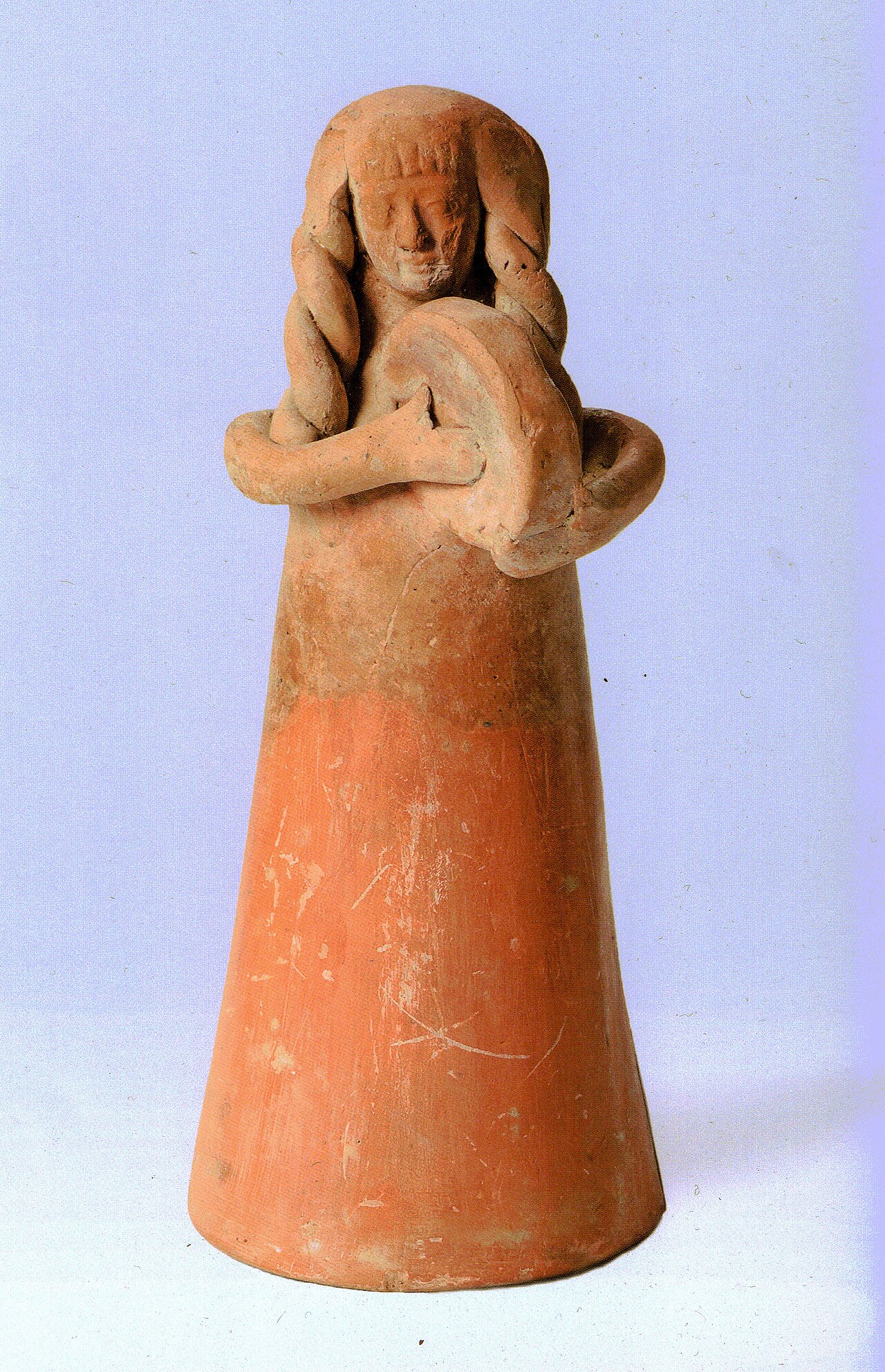
The kinnor ("harp," more exactly a lyre) and nevel ("psaltery," a larger lyre or harp) are the main stringed instruments of the Psalms. "Ten strings" ('asor) may describe the nevel. Lyres are depicted in Egyptian and Assyrian art; an Assyrian relief from Nineveh shows captive musicians playing lyres under guard. "A new song" (shir hadash) occurs six times in the Psalms and in Isaiah 42:10 and Revelation 5:9.
Creation by word
33:6–9 summarizes Genesis 1: God speaks and things exist. "The breath of his mouth" (ruah piw) uses the word for spirit and wind; early Christian writers read the Word and the Spirit here.
An "alphabetic" length
Psalm 33 has 22 verses, the number of letters in the Hebrew alphabet, but it is not an acrostic. Psalms 38 and 103 also have 22 verses; Lamentations 5 has 22 verses without an acrostic. Some scholars see the length as a deliberate echo of alphabetic completeness.
Titles added in translation
Psalm 33 has no Hebrew title; the Greek and the library's Vulgate give it "Psalmus David." Psalms 1, 2, 10 and 33 are untitled in Hebrew in Book I. Some think Psalm 33 continues Psalm 32 (32:11 ends "rejoice… ye righteous"; 33:1 begins "Rejoice… O ye righteous"); some Hebrew manuscripts join them. The Greek title is a later attribution.
What the evidence shows
- Psalm 33 has no title in Hebrew; the Greek/Latin title it "of David."Source: The site's library: Westminster Leningrad Codex, KJV, Clementine Vulgate (Gallican Psalter), Giguet's French of the Greek, Douay-Rheims
- Some Hebrew manuscripts join Psalms 32 and 33.
Continue the journey
Connected elsewhere in ScriptureIn the BeginningGenesis 1:6–10: The waters gathered.More from this lesson
Why this matters to the rest of Scripture
- The waters gathered.
- Some trust in horses.
- "They sung a new song."