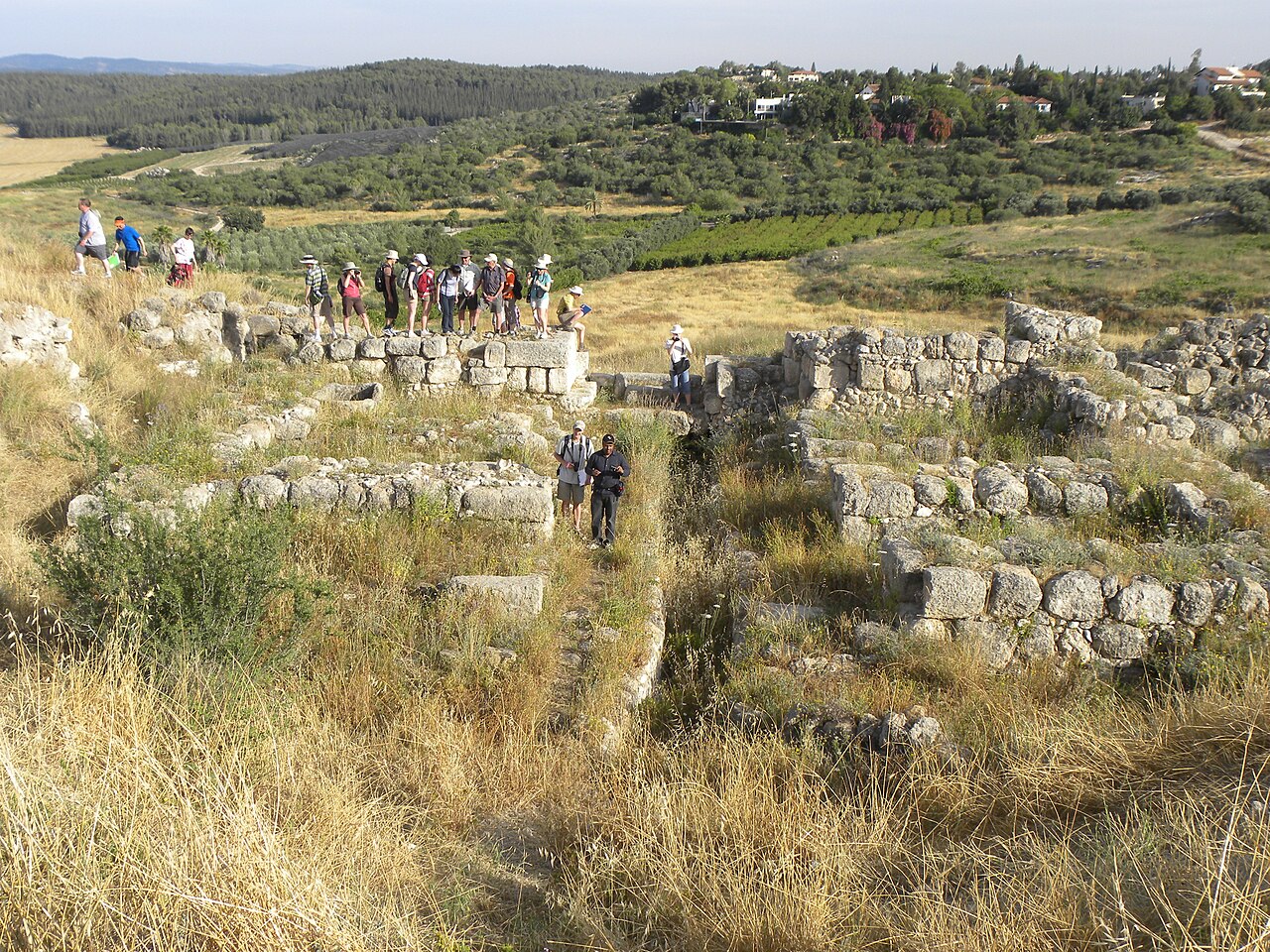
Psalm 118: The Stone the Builders Rejected
Hosanna, the gates of righteousness, and the day the LORD has made
"O give thanks unto the LORD; for he is good: because his mercy endureth for ever. Let Israel now say, that his mercy endureth for ever. Let the house of Aaron now say… Let them now that fear the LORD say… I called upon the LORD in distress… The LORD is on my side; I will not fear: what can man do unto me?… It is better to trust in the LORD than to put confidence in princes."
"All nations compassed me about: but in the name of the LORD will I destroy them… They compassed me about like bees; they are quenched as the fire of thorns… The right hand of the LORD doeth valiantly. I shall not die, but live, and declare the works of the LORD. The LORD hath chastened me sore: but he hath not given me over unto death. Open to me the gates of righteousness: I will go into them… This gate of the LORD, into which the righteous shall enter."
"I will praise thee: for thou hast heard me, and art become my salvation. The stone which the builders refused is become the head stone of the corner. This is the LORD's doing; it is marvellous in our eyes. This is the day which the LORD hath made; we will rejoice and be glad in it. Save now, I beseech thee, O LORD… Blessed be he that cometh in the name of the LORD: we have blessed you out of the house of the LORD… bind the sacrifice with cords, even unto the horns of the altar."
A procession at the gate
The psalm has many voices: a leader ("I called upon the LORD"), the community ("Let Israel now say"), gatekeepers ("This gate of the LORD, into which the righteous shall enter"), priests ("we have blessed you out of the house of the LORD"). It reads like a thanksgiving procession arriving at the temple, perhaps a king after victory.
Hosanna and branches
"Save now, I beseech thee" is hoshi'a-na, "hosanna." At the Feast of Tabernacles, the Mishnah (Sukkah 4:5) describes processions around the altar with willow branches while the people chanted "Save now, O LORD." The Gospels' crowd at Jesus' entry into Jerusalem cries "Hosanna; Blessed is he that cometh in the name of the Lord" (Mark 11:9–10), waving branches.
The rejected stone
118:22–23 is quoted in Mark 12:10–11 (and parallels) at the end of the parable of the vineyard, in Acts 4:11 by Peter, and in 1 Peter 2:7 with Isaiah 28:16. In its setting, the "stone" may be the rescued king or Israel, despised by the nations' builders and made the cornerstone by God.
Luther and the Hallel
Martin Luther called Psalm 118 "my own beloved psalm" and wrote 118:17, "I shall not die, but live, and declare the works of the LORD," on the wall at Coburg in 1530. Psalms 113–118 form the "Egyptian Hallel," sung at Passover and the other pilgrim festivals. The Mishnah (Pesahim 10:6–7) describes the Hallel at the Passover meal, part before and part after the meal; "when they had sung an hymn" at the Last Supper (Matthew 26:30; Mark 14:26) most likely refers to it. The psalm has no Hebrew heading; Greek and Latin number it 117.
What the evidence shows
- Mark 12:10, Acts 4:11 and 1 Peter 2:7 quote 118:22.
- "Hosanna" comes from hoshi'a-na in 118:25.
- Mishnah Sukkah 4:5 links 118:25 with the willow procession.
Continue the journey
Connected elsewhere in ScriptureThe Song of the SeaExodus 15:2: "The LORD is my strength and song, and is become my salvation," quoted word for word in 118:14.More from this lesson
Why this matters to the rest of Scripture
- "The LORD is my strength and song, and is become my salvation," quoted word for word in 118:14.
- "Hosanna; Blessed is he that cometh."
- The stone which the builders rejected.
- "The head of the corner."