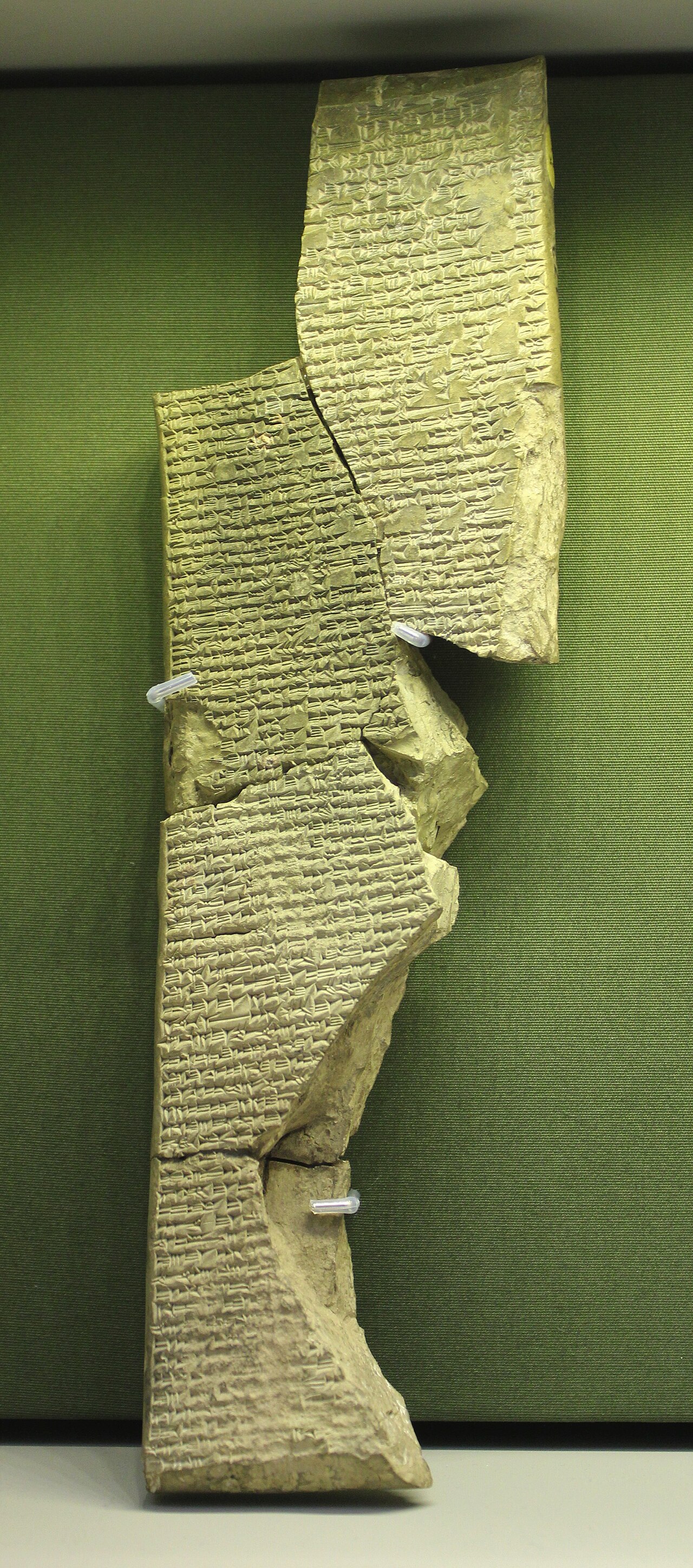
Psalm 8: What Is Man?
"O LORD our Lord, how excellent is thy name in all the earth!"
"O LORD our Lord, how excellent is thy name in all the earth! who hast set thy glory above the heavens. Out of the mouth of babes and sucklings hast thou ordained strength because of thine enemies, that thou mightest still the enemy and the avenger."
"When I consider thy heavens, the work of thy fingers, the moon and the stars, which thou hast ordained; What is man, that thou art mindful of him? and the son of man, that thou visitest him?" The word for man is 'enosh, humanity in its frailty; "son of man" (ben adam) is a human being.
"For thou hast made him a little lower than the angels, and hast crowned him with glory and honour. Thou madest him to have dominion over the works of thy hands; thou hast put all things under his feet: All sheep and oxen, yea, and the beasts of the field; The fowl of the air, and the fish of the sea, and whatsoever passeth through the paths of the seas."
"O LORD our Lord, how excellent is thy name in all the earth!"
The poem's frame
An inclusio: the same refrain opens and closes the psalm (vv. 1, 9), enclosing the wonder of creation and the question about humanity. The list of animals in vv. 7–8 moves from domestic (sheep, oxen) to wild (beasts of the field) to sky and sea, echoing Genesis 1:26–28's dominion over fish, birds, cattle and all the earth.
Gittith
The title says "upon Gittith" (also Psalms 81 and 84), perhaps an instrument or tune from Gath, or a vintage song (gat, "winepress"); the Greek reads "for the winepresses" (Vulgate pro torcularibus).
Stars and fingers
"The work of thy fingers" pictures the heavens as fine craftsmanship, like embroidery or carving, in contrast to Babylonian creation in which Marduk builds the sky from the split body of Tiamat (Enuma Elish, pictured above).
Elohim: God, gods or angels?
8:5 (Hebrew 8:6): "you made him lack a little from elohim." Elohim normally means "God," but can mean divine beings (Psalm 82:1, 6). The Greek translated "angels" (angelous), as did the Vulgate ("paulominus ab angelis") and the KJV, following the Greek. Many modern versions read "a little lower than God" or "than the heavenly beings." Hebrews 2:6–8 quotes the Greek ("a little lower than the angels") and applies it to Jesus.
Babes and sucklings
8:2: Hebrew "you have founded strength ('oz)." The Greek reads "you have prepared praise (ainon)," and Jesus quotes the Greek in Matthew 21:16 when children praise him in the temple.
What the evidence shows
- The Greek and Latin render elohim in 8:5 as "angels."Source: The site's library: Westminster Leningrad Codex, KJV, Clementine Vulgate (Gallican Psalter), Giguet's French of the Greek, Douay-Rheims
- Hebrews 2:6–8 quotes Psalm 8 in its Greek form.
- The meaning of Gittith is known.
Continue the journey
Journey of a PassagePsalm 8:5: A little lower than God, or than the angels?The Hebrew says God made the human being "a little less than elohim." Elohim usually means God, but can mean divine beings.More from this lesson
Why this matters to the rest of Scripture
- Dominion over the creatures.
- Psalm 8's question turned to complaint.
- Psalm 8 read of Jesus.