Psalm 95: Today, If You Hear His Voice
The Venite and the warning of Meribah
"O come, let us sing unto the LORD: let us make a joyful noise to the rock of our salvation. Let us come before his presence with thanksgiving… For the LORD is a great God, and a great King above all gods. In his hand are the deep places of the earth: the strength of the hills is his also. The sea is his, and he made it: and his hands formed the dry land."
"O come, let us worship and bow down: let us kneel before the LORD our maker. For he is our God; and we are the people of his pasture, and the sheep of his hand. To day if ye will hear his voice, harden not your heart, as in the provocation, and as in the day of temptation in the wilderness: when your fathers tempted me, proved me, and saw my work."
"Forty years long was I grieved with this generation, and said, It is a people that do err in their heart, and they have not known my ways: unto whom I sware in my wrath that they should not enter into my rest."
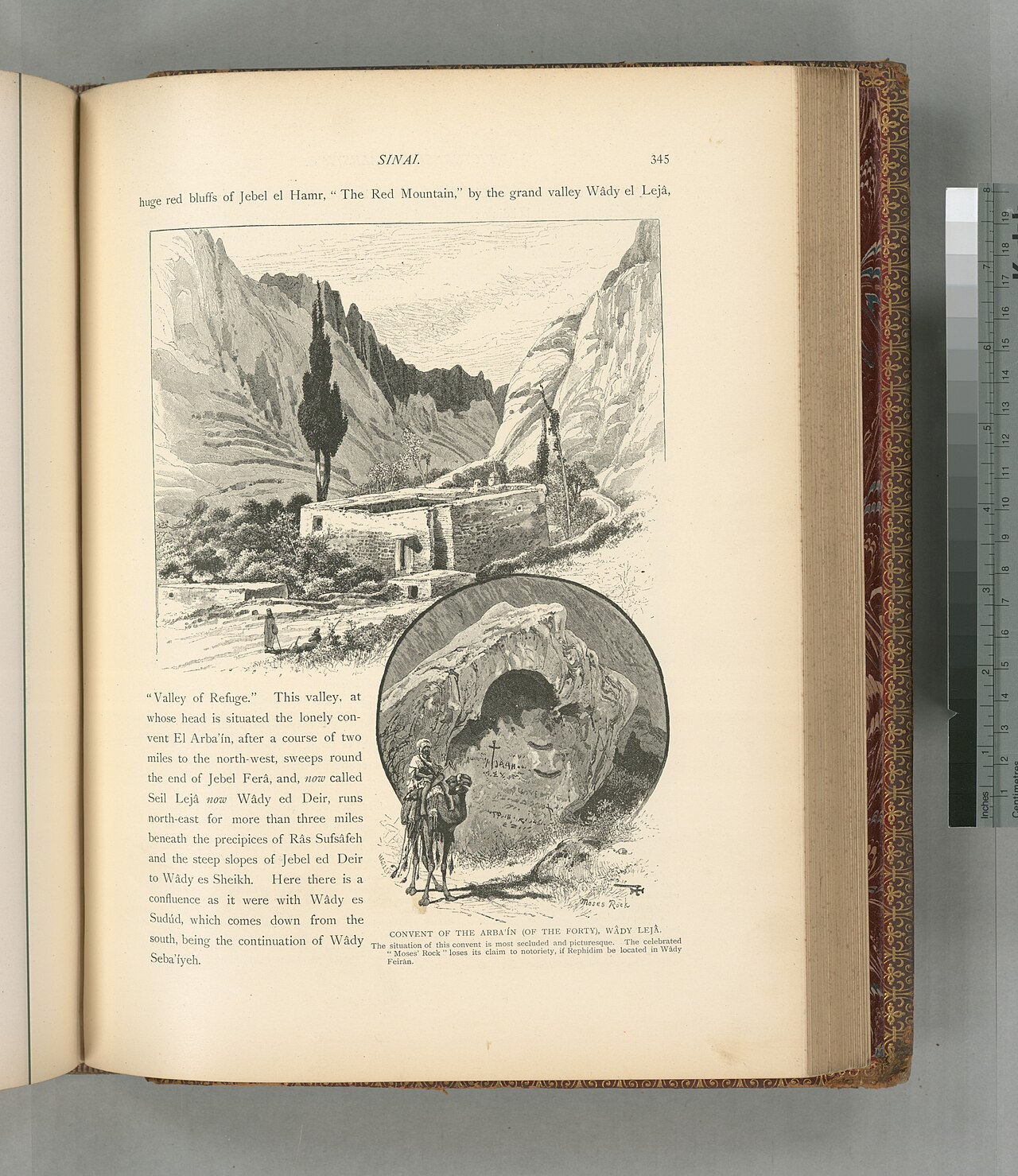
Massah and Meribah
"The provocation" and "the day of temptation" translate the place names Meribah ("quarrel") and Massah ("testing"), where Israel demanded water and Moses struck the rock (Exodus 17:1–7; Numbers 20:1–13). The joyful invitation turns into a warning drawn from the wilderness generation, who did not enter the land.
Two invitations
The psalm has two "O come" calls (vv. 1, 6), each followed by a reason ("For the LORD is a great God," "For he is our God"). Then the voice shifts without warning to God speaking in the first person. Worship ends with listening.
"Today" in Hebrews
Hebrews 3:7–4:11 quotes 95:7–11 from the Greek and builds an argument on "To day" and "my rest": the rest promised in the land was not final, since the psalm, long after Joshua, still says "today"; a Sabbath rest remains for God's people. This is Christian exposition of the psalm, distinct from its original warning drawn from the wilderness story. The Greek translated Meribah and Massah as "the provocation" and "the day of temptation," which Hebrews follows.
The Venite
As the Venite (Vulgate "Venite, exsultemus Domino"), Psalm 95 has opened the night office since the Rule of St Benedict (chapter 9) and Morning Prayer in the Book of Common Prayer. In Jewish worship it begins Kabbalat Shabbat, the welcoming of the Sabbath on Friday evening. The Hebrew has no heading; the Greek and Latin add "of David," and Hebrews 4:7 also speaks of it as "in David."
What the evidence shows
- Hebrews 3–4 quotes and expounds 95:7–11.
- The Venite opens the night office in the Rule of St Benedict.
Continue the journey
Journey of a PassagePsalm 95:8: Meribah and Massah, or "the provocation" and "the day of temptation"Hebrew: "Harden not your heart, as at Meribah, as in the day of Massah in the wilderness": two place names from Exodus 17:7.More from this lesson
Why this matters to the rest of Scripture
- Massah and Meribah.
- "To day if ye will hear his voice."
- "They shall not see the land."