"Hear me when I call, O God of my righteousness: thou hast enlarged me when I was in distress; have mercy upon me, and hear my prayer." "Enlarged me" is literally "made room for me": distress (tsar) is a narrow place.
"O ye sons of men, how long will ye turn my glory into shame? how long will ye love vanity, and seek after leasing? Selah. But know that the LORD hath set apart him that is godly for himself."
"Stand in awe, and sin not: commune with your own heart upon your bed, and be still. Selah. Offer the sacrifices of righteousness, and put your trust in the LORD."
"There be many that say, Who will shew us any good? LORD, lift thou up the light of thy countenance upon us. Thou hast put gladness in my heart, more than in the time that their corn and their wine increased. I will both lay me down in peace, and sleep: for thou, LORD, only makest me dwell in safety."
Grain, wine and drought
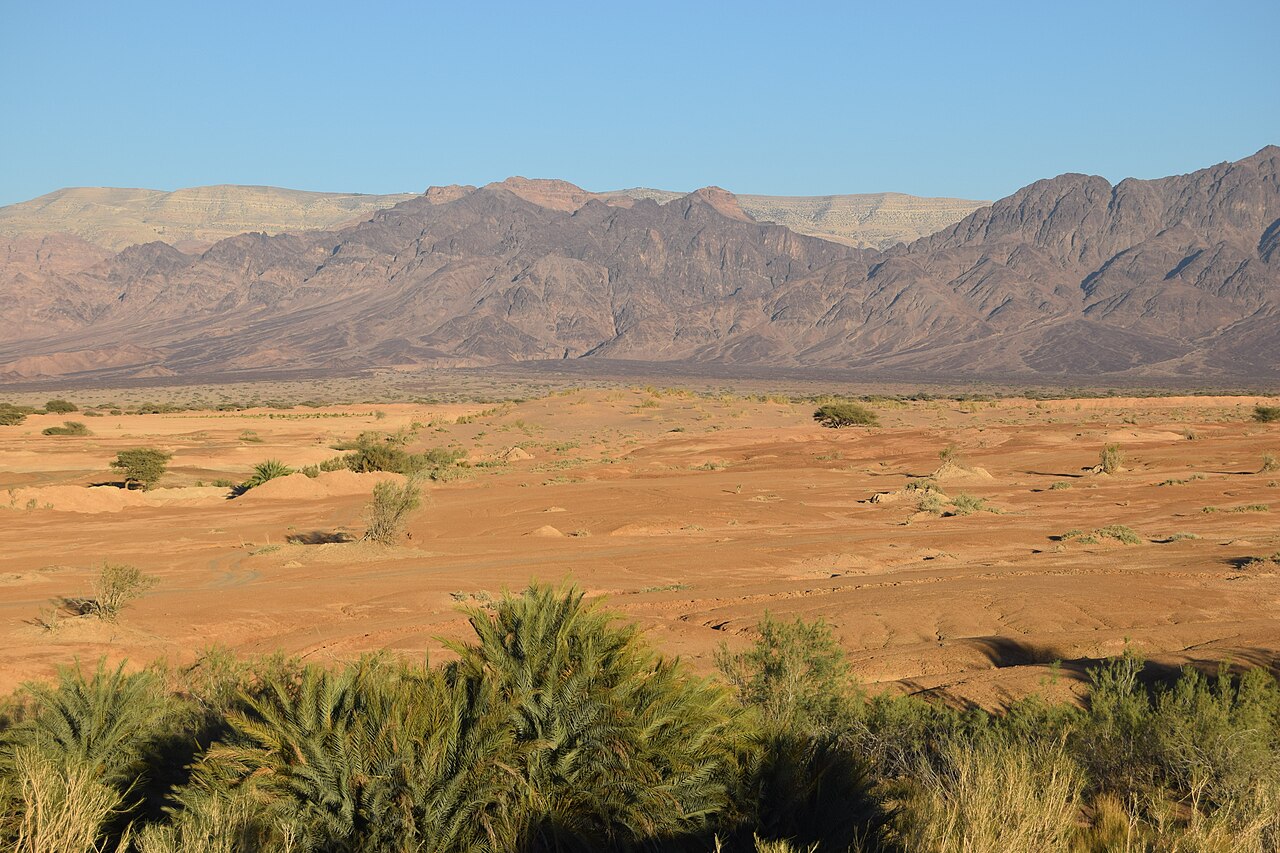
"Who will shew us any good?" may be the cry of farmers in drought, asking which god will send rain; grain and new wine (dagan and tirosh) are the harvest blessings of Deuteronomy 7:13 and also the gifts Baal was believed to give (Hosea 2:8). The speaker's gladness does not depend on a harvest.
The light of God's face
"Lift up the light of thy countenance upon us" echoes the priestly blessing of Numbers 6:24–26 ("The LORD make his face shine upon thee… lift up his countenance upon thee"), found inscribed on the Ketef Hinnom silver scrolls of about 600 BC.
Superscription words
Lamnatseah, "to the leader" (KJV "to the chief Musician"), appears in 55 psalm titles; its exact sense (choirmaster, director, or "for the victory") is debated; the Greek reads eis to telos, "to the end" (Vulgate in finem), a misreading or reinterpretation. Bineginot means "with stringed instruments."
Evening prayer
Psalm 4 ends with sleep: "I will both lay me down in peace, and sleep." The Rule of St Benedict (6th century, chapter 18) appoints Psalms 4, 91 and 134 for Compline, the last prayer of the day, and they are still the Sunday Compline psalms in many monastic communities.
"Be angry and sin not"
4:4 begins rigzu, "tremble" or "be agitated." The Greek translators chose orgizesthe, "be angry," and Ephesians 4:26 quotes the Greek: "Be ye angry, and sin not." The library's Greek (Giguet) reads "Indignez-vous, mais ne péchez pas" ("be indignant, but do not sin"); the Vulgate "Irascimini, et nolite peccare." One Hebrew word, two ancient senses.
Morning and evening
Psalms 3 and 4 are often read as a morning and an evening psalm (3:5, "I awaked"; 4:8, "I will lay me down"). The pairing is an observation about their content and placement; the titles do not say so.
What the evidence shows
- The Greek renders rigzu (4:4) as "be angry," quoted in Ephesians 4:26.Source: The site's library: Westminster Leningrad Codex, KJV, Clementine Vulgate (Gallican Psalter), Giguet's French of the Greek, Douay-Rheims
- The meaning of lamnatseah is certain.
Continue the journey
Connected elsewhere in ScripturePurification, Vows, and the Written BlessingNumbers 6:24–26: The priestly blessing.More from this lesson
Why this matters to the rest of Scripture
- The priestly blessing.
- "Be ye angry, and sin not."