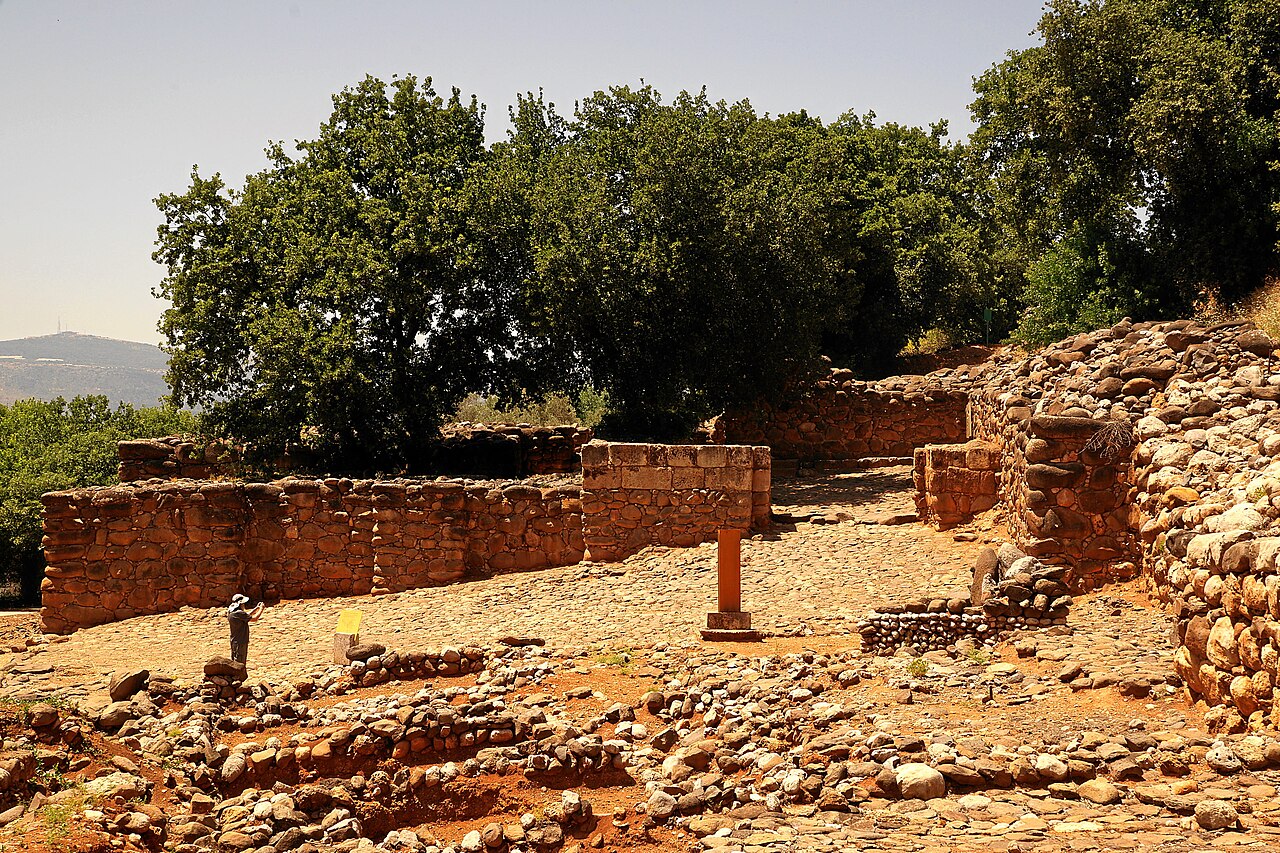
"Hear the right, O LORD, attend unto my cry, give ear unto my prayer, that goeth not out of feigned lips. Let my sentence come forth from thy presence; let thine eyes behold the things that are equal. Thou hast proved mine heart; thou hast visited me in the night; thou hast tried me, and shalt find nothing."
"Shew thy marvellous lovingkindness, O thou that savest by thy right hand them which put their trust in thee… Keep me as the apple of the eye, hide me under the shadow of thy wings, From the wicked that oppress me, from my deadly enemies, who compass me about."
"They have now compassed us in our steps… Like as a lion that is greedy of his prey… Arise, O LORD, disappoint him, cast him down: deliver my soul from the wicked… from men of the world, which have their portion in this life."
"As for me, I will behold thy face in righteousness: I shall be satisfied, when I awake, with thy likeness."
The apple of the eye
Hebrew ishon bat-'ayin, "the little man, daughter of the eye": the pupil, where one sees a tiny reflection of oneself. It is the most protected part of the body (Deuteronomy 32:10; Proverbs 7:2; Zechariah 2:8).
Under his wings
"The shadow of thy wings" may picture a mother bird (Deuteronomy 32:11; Matthew 23:37) or the cherubim's wings over the ark in the temple (1 Kings 6:23–28). Both images are used of refuge with God (Psalms 36:7; 57:1; 91:4).
Three petitions
The prayer moves in three rounds, each opening with a cluster of imperatives: "Hear… attend… give ear" (v. 1), "Shew… keep… hide" (vv. 7–8), "Arise… disappoint… deliver" (v. 13). It is framed by night and morning: God tests the speaker "in the night" (v. 3), and he hopes to be satisfied "when I awake" (v. 15).
"When I awake"
17:15: does "awake" mean waking in the morning after a night of trial (v. 3 mentions night), or waking from death? Many modern scholars read the first, with the speaker hoping for vindication at dawn; later Jewish and Christian readers often read resurrection. The library's Vulgate (from the Greek) reads "satiabor cum apparuerit gloria tua," "I shall be satisfied when your glory appears"; Giguet's Greek has "contemplating your glory."
Tefillah
"A Prayer of David" (tefillah le-David) is one of five psalms titled tefillah (17, 86, 90, 102, 142). Psalm 72:20 calls the whole Davidic collection "the prayers (tefillot) of David." The Hebrew preposition le- in "le-David" can mean "by," "for," "belonging to" or "concerning" David; a superscription records an ancient association, not a signature.
What the evidence shows
- "Apple of the eye" translates a Hebrew phrase for the pupil.
- 17:15 refers to resurrection. Morning vindication and resurrection are both proposed.
Continue the journey
Connected elsewhere in ScriptureThe Song of Moses: The Nations and Heavenly BeingsDeuteronomy 32:10–11: The apple of his eye; wings of an eagle.More from this lesson
Why this matters to the rest of Scripture
- The apple of his eye; wings of an eagle.
- The upright shall behold his face.