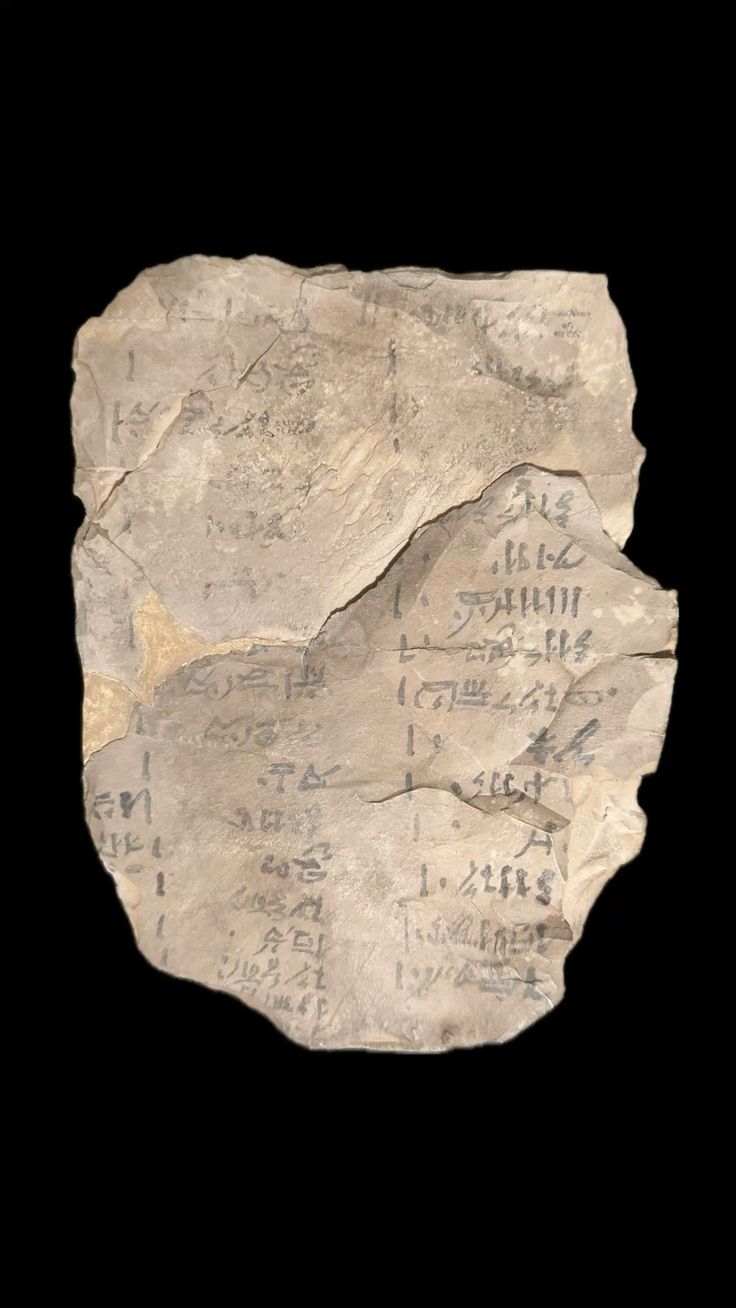
"O LORD, rebuke me not in thine anger, neither chasten me in thy hot displeasure. Have mercy upon me, O LORD; for I am weak: O LORD, heal me; for my bones are vexed. My soul is also sore vexed: but thou, O LORD, how long?" The sentence breaks off: "and you, LORD, until when?"
"Return, O LORD, deliver my soul: oh save me for thy mercies' sake. For in death there is no remembrance of thee: in the grave who shall give thee thanks?"
"I am weary with my groaning; all the night make I my bed to swim; I water my couch with my tears. Mine eye is consumed because of grief; it waxeth old because of all mine enemies."
Then a sudden turn: "Depart from me, all ye workers of iniquity; for the LORD hath heard the voice of my weeping. The LORD hath heard my supplication; the LORD will receive my prayer. Let all mine enemies be ashamed and sore vexed: let them return and be ashamed suddenly."
The turn in lament
Most individual laments move from complaint to confidence, often abruptly (6:8). Scholars have proposed that a priest spoke an oracle of salvation between the verses, which the psalm does not record; others see an inner change in the speaker. The text shows the turn without explaining it.
"In death there is no remembrance"
Like Psalm 88 and Isaiah 38:18, Psalm 6 assumes the dead cannot praise God in Sheol. The plea is therefore urgent: let me live so that I can praise you. Later Jewish and Christian hope in resurrection reframed such verses; the psalm itself argues from the older view.
The penitential psalms
Christian tradition (from Cassiodorus, 6th century) grouped seven psalms as "penitential": 6, 32, 38, 51, 102, 130, 143. Psalm 6 does not actually confess a sin; the grouping is a reading tradition.
The heading
Hebrew: "To the chief musician, with stringed instruments (bineginot), upon the eighth (al-hashshemînît), a psalm of David." Sheminit, "the eighth," recurs in Psalm 12 and 1 Chronicles 15:21; it may mean an eight-stringed instrument or a lower octave, but no one knows. Lamnatseah, "to the chief musician" (or "for the director"), heads 55 psalms and appears again in Habakkuk 3:19; its meaning is uncertain. The Greek understood it as eis to telos, "to the end" (the library's Vulgate: "In finem"). The Vulgate keeps "pro octava."
Sheminith
"Upon Sheminith" (also Psalm 12; 1 Chronicles 15:21) means "on the eighth." Proposals: an eight-stringed instrument, an octave lower (a male voice), or a tune name. The Greek reads "for the eighth" (hyper tēs ogdoēs), and Christian commentators linked it to the "eighth day" of resurrection. The meaning is unknown.
Quotations
"Depart from me, all ye workers of iniquity" (6:8) is echoed by Jesus in Matthew 7:23 and Luke 13:27. 6:3 ("my soul is troubled") is echoed in John 12:27. The Greek wording is close to the Gospel phrases.
What the evidence shows
- The meaning of Sheminith is known.
- Psalm 6 is one of the seven penitential psalms of Christian tradition.
Continue the journey
Connected in this bookPsalm 88: Darkness Is My Closest FriendPsalm 88:10–12: Can the dead praise you?More from this lesson
Why this matters to the rest of Scripture
- Can the dead praise you?
- "Depart from me, ye that work iniquity."
- "Now is my soul troubled."