Psalm 97: Clouds and Darkness Surround Him
Fire, lightning and the shame of idols
"The LORD reigneth; let the earth rejoice; let the multitude of isles be glad thereof. Clouds and darkness are round about him: righteousness and judgment are the habitation of his throne. A fire goeth before him, and burneth up his enemies round about. His lightnings enlightened the world: the earth saw, and trembled. The hills melted like wax at the presence of the LORD."
"The heavens declare his righteousness, and all the people see his glory. Confounded be all they that serve graven images, that boast themselves of idols: worship him, all ye gods. Zion heard, and was glad… For thou, LORD, art high above all the earth: thou art exalted far above all gods."
"Ye that love the LORD, hate evil: he preserveth the souls of his saints… Light is sown for the righteous, and gladness for the upright in heart. Rejoice in the LORD, ye righteous; and give thanks at the remembrance of his holiness."
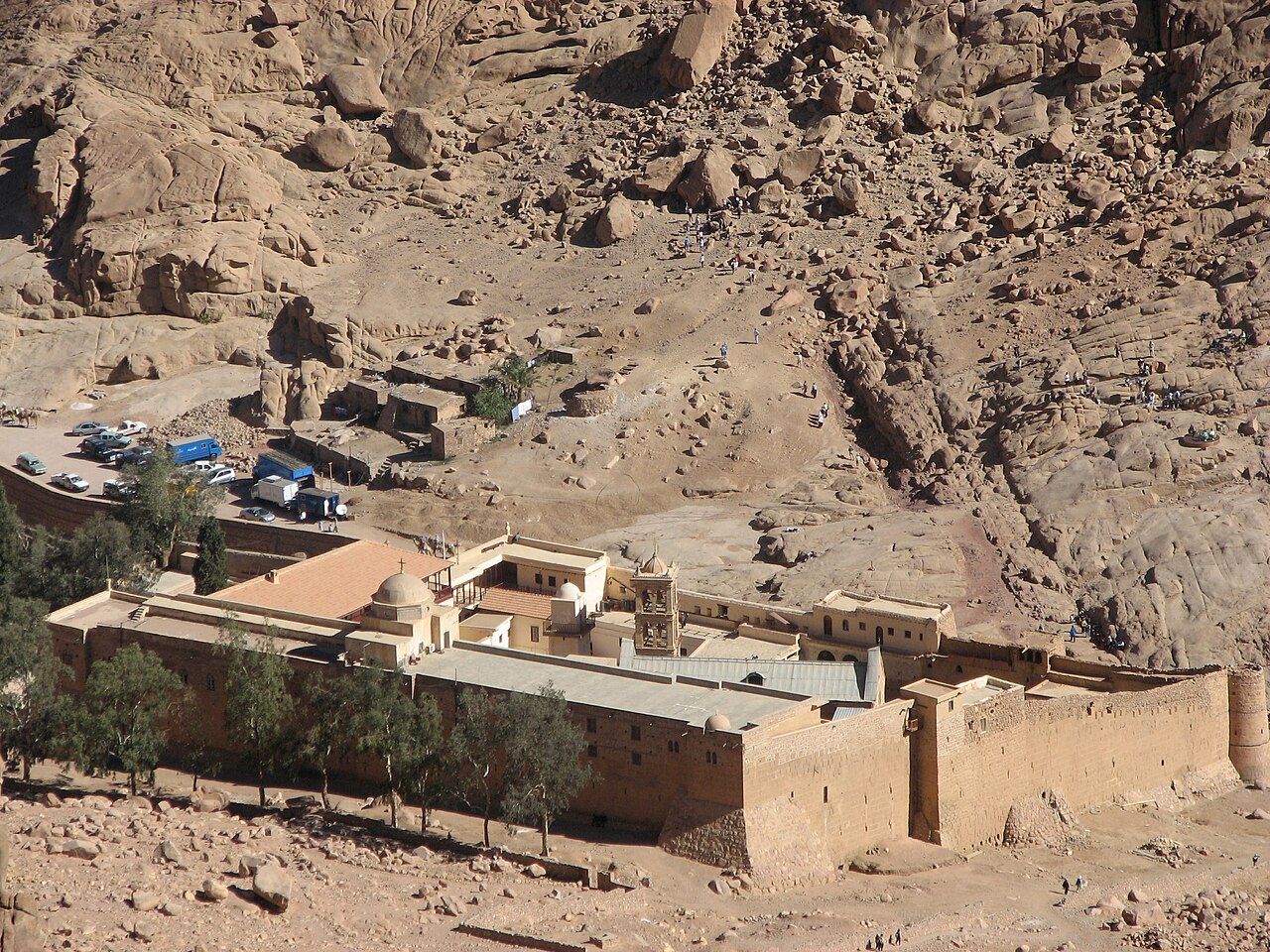
A Sinai picture
Clouds, darkness, fire and trembling earth recall Sinai (Exodus 19:16–18; Deuteronomy 4:11). The same imagery of God's coming appears in Psalm 18 and Habakkuk 3. Here it is joined to justice: "righteousness and judgment are the habitation of his throne."
"All ye gods" or "all his angels"
97:7 Hebrew: "Worship him, all you gods (elohim)." The library's Greek and Latin read "Worship him, all his angels" (Vulgate "Adorate eum omnes angeli ejus"; Giguet "vous tous, ses anges, adorez-le"). Hebrews 1:6, "And let all the angels of God worship him," matches the Greek of Deuteronomy 32:43 more closely, but may also echo this verse; which text Hebrews quotes is debated. The Greek translators often rendered elohim as "angels" where it referred to heavenly beings (compare Psalm 8:5).
Heading and setting
The Hebrew has no heading. The library's Vulgate has "Huic David, quando terra ejus restituta est," "when his land was restored," another Greek heading pointing to the return from exile. Psalms 93 and 95–99 proclaim "The LORD reigneth" (YHWH malakh) or celebrate God as King. Placed after Psalm 89's lament over the fallen Davidic throne, they answer: the human king has fallen, but the LORD still reigns. Gerald Wilson saw Book IV as the Psalter's editorial response to the exile.
What the evidence shows
- The Greek/Latin read "angels" in 97:7.Source: The site's library: Westminster Leningrad Codex, KJV, Clementine Vulgate (Gallican Psalter), Giguet's French of the Greek, Douay-Rheims
- Hebrews 1:6 quotes Psalm 97:7. Deuteronomy 32:43 (Greek) is the closer match.
Continue the journey
Journey of a PassagePsalm 97:7: "Worship him, all ye gods" or "all his angels"Hebrew: "Worship him, all you gods (elohim)." The Greek and Latin read "Worship him, all his angels." Hebrews 1:6 has "And let all the angels of God worship him," which matches the Greek of Deuteronomy 32:43 more closely but may echo this verse.More from this lesson
Why this matters to the rest of Scripture
- Sinai in cloud and fire.
- "Let all the angels of God worship him."
- The Song of Moses (longer in the Greek).