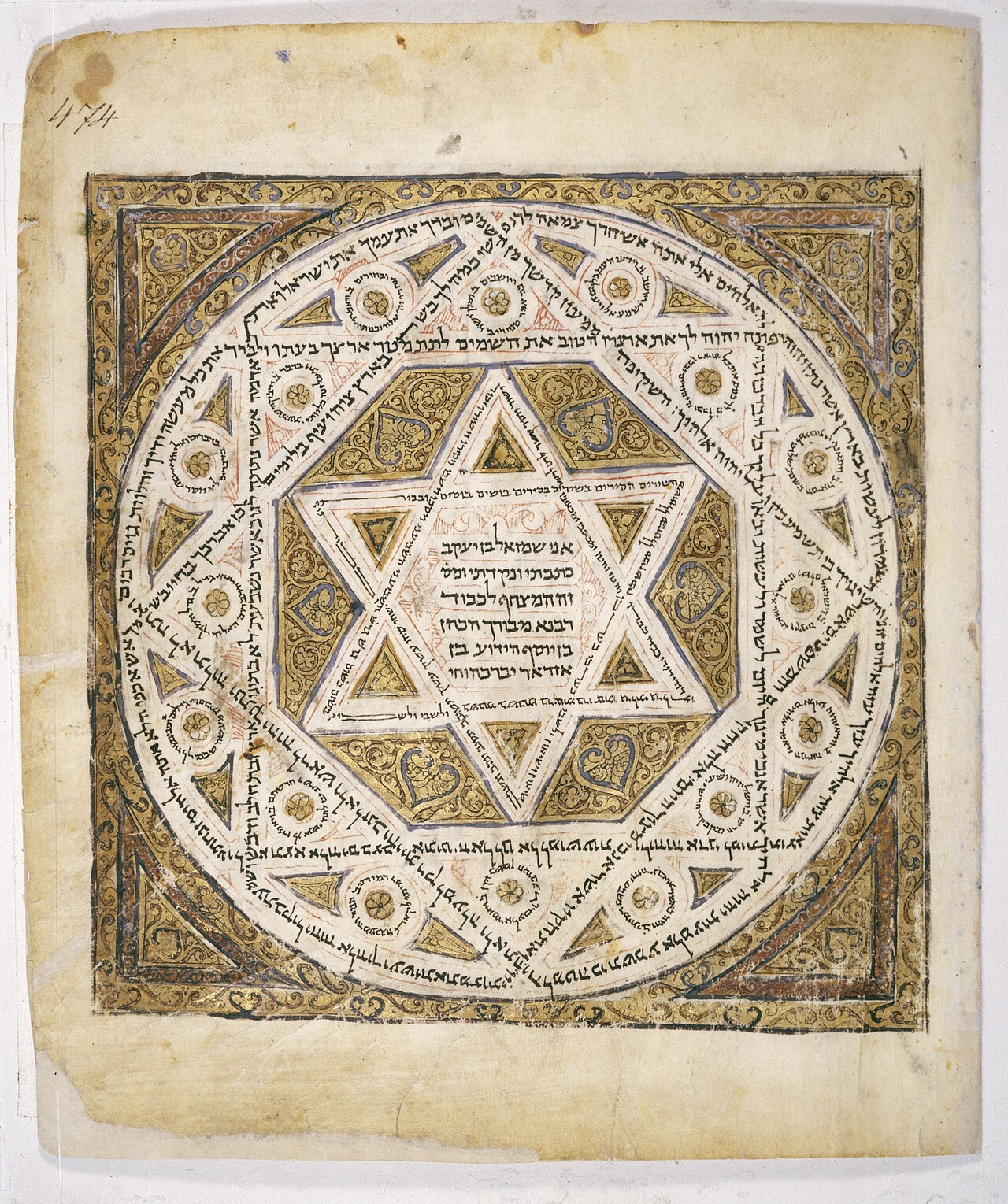
Psalm 119: Thy Word Is a Lamp
176 verses, 22 letters, eight words for God's teaching
Alef (vv. 1–8): "Blessed are the undefiled in the way, who walk in the law of the LORD. Blessed are they that keep his testimonies… O that my ways were directed to keep thy statutes!… I will keep thy statutes: O forsake me not utterly." Bet (9–16): "Wherewithal shall a young man cleanse his way? by taking heed thereto according to thy word… Thy word have I hid in mine heart, that I might not sin against thee." Gimel and Dalet (17–32): "Open thou mine eyes, that I may behold wondrous things out of thy law. I am a stranger in the earth… My soul cleaveth unto the dust: quicken thou me according to thy word."
He to Het (33–64): "Teach me, O LORD, the way of thy statutes… Turn away mine eyes from beholding vanity… And I will walk at liberty: for I seek thy precepts… Thy statutes have been my songs in the house of my pilgrimage… The LORD is my portion." Tet and Yod (65–80): "It is good for me that I have been afflicted; that I might learn thy statutes. The law of thy mouth is better unto me than thousands of gold and silver… Thy hands have made me and fashioned me."
Kaf to Samekh (81–128): "My soul fainteth for thy salvation… For I am become like a bottle in the smoke… How long?" Lamed: "For ever, O LORD, thy word is settled in heaven." Mem: "O how love I thy law! it is my meditation all the day… I have more understanding than all my teachers." Nun: "Thy word is a lamp unto my feet, and a light unto my path." Samekh: "Thou art my hiding place and my shield." Ayin to Qof (121–152): "It is time for thee, LORD, to work… The entrance of thy words giveth light… Rivers of waters run down mine eyes, because they keep not thy law… I prevented the dawning of the morning, and cried."
Resh to Tav (153–176): "Consider mine affliction, and deliver me… The sum of thy word is truth." Shin: "Princes have persecuted me without a cause… Great peace have they which love thy law: and nothing shall offend them. Seven times a day do I praise thee." Tav: "Let my cry come near before thee, O LORD… I have gone astray like a lost sheep; seek thy servant; for I do not forget thy commandments."
The alphabet, verse by verse
The site checked all 176 verses in the library's Hebrew: verses 1–8 each begin with alef, 9–16 with bet, and so on through 169–176 with tav, with no exceptions. Many English Bibles, including the KJV, print the Hebrew letter and its name (ALEPH, BETH…) above each stanza. Some acrostics in the Psalms have gaps (Psalms 9–10, 25, 34, 145); this one is complete.
See the alphabet
Open Psalm 119 in the site's reader and each of the 22 stanzas is marked with its Hebrew letter (א Aleph, verses 1–8, through ת Tav, verses 169–176). In the Hebrew (Westminster Leningrad Codex) the first letter of every verse is also highlighted, so the eight alefs, eight bets and so on can be seen down the page; in English and the other editions the stanza markers show where each letter's section begins. Reading one stanza at a time, as Jewish and monastic tradition often did, is the way the poem was built to be read.
Eight words
God's teaching is named with eight words, rotated through the poem: torah (law, instruction), 'edut (testimonies), piqqudim (precepts), huqqim (statutes), mitswah (commandments), mishpatim (judgments, ordinances), davar (word) and 'imrah (saying, promise). They are not strict technical terms: together they mean all of God's revealed will. Almost every verse uses at least one; a few do not (commonly listed are vv. 90, 122 and 132).
A personal voice
The speaker is young (v. 9) and persecuted by princes and the proud (vv. 23, 51, 161), weeping and sleepless (vv. 28, 62, 136, 147–148), "a stranger in the earth" (v. 19). Within its rigid form the psalm is intensely personal: delight and desperation side by side.
Torah piety
Psalm 119 belongs with Psalms 1 and 19 as torah psalms; many scholars date it after the exile, when study and meditation on the written Torah were central to Jewish piety. "Torah" here is broader than the Five Books: God's instruction in every form. The psalm has no heading; the Greek and Latin number it 118 and open with "Alleluia."
In worship
Benedict's Rule distributes Psalm 119 (Vulgate 118) across the little hours of Sunday and Monday. In Jewish practice its stanzas are recited letter by letter to spell a person's name in prayers for the sick and at gravesides. Its length made it a test of memory and devotion across the centuries.
What the evidence shows
- All 176 verses of Psalm 119 begin with the correct letter, eight per letter, in the library's Hebrew.Source: The site's library: Westminster Leningrad Codex, KJV, Clementine Vulgate (Gallican Psalter), Giguet's French of the Greek, Douay-Rheims
- Psalm 119 is the longest chapter in the Bible.
- Psalm 119 was composed after the exile.
Continue the journey
Connected in this bookPsalm 1: The Two WaysPsalm 1:2: "In his law doth he meditate day and night."More from this lesson
Why this matters to the rest of Scripture
- "In his law doth he meditate day and night."
- "The law of the LORD is perfect."
- "These words… shall be in thine heart."