Psalm 78: Things Our Fathers Have Told Us
Israel's history as a teaching poem
"Give ear, O my people, to my law: incline your ears to the words of my mouth. I will open my mouth in a parable: I will utter dark sayings of old: which we have heard and known, and our fathers have told us. We will not hide them from their children, shewing to the generation to come the praises of the LORD… That they might set their hope in God, and not forget the works of God, but keep his commandments: and might not be as their fathers, a stubborn and rebellious generation."
"The children of Ephraim, being armed, and carrying bows, turned back in the day of battle… Marvellous things did he in the sight of their fathers, in the land of Egypt, in the field of Zoan. He divided the sea… He clave the rocks in the wilderness… And they tempted God in their heart by asking meat for their lust… He… opened the doors of heaven, and had rained down manna upon them to eat, and had given them of the corn of heaven. Man did eat angels' food."
"But he, being full of compassion, forgave their iniquity, and destroyed them not: yea, many a time turned he his anger away… For he remembered that they were but flesh; a wind that passeth away, and cometh not again… How oft did they provoke him in the wilderness… He sent among them swarms of flies… He turned their rivers into blood… He gave their cattle up also to the hail… And smote all the firstborn in Egypt."
"So that he forsook the tabernacle of Shiloh… And delivered his strength into captivity, and his glory into the enemy's hand… Moreover he refused the tabernacle of Joseph, and chose not the tribe of Ephraim: but chose the tribe of Judah, the mount Zion which he loved… He chose David also his servant, and took him from the sheepfolds… So he fed them according to the integrity of his heart; and guided them by the skilfulness of his hands."
The plagues in a different order
The psalm lists seven plagues (vv. 44–51): blood, flies, frogs, caterpillar and locust, hail, livestock and the firstborn. The order and number differ from the ten in Exodus 7–12 (gnats, boils and darkness are missing; frogs come after flies). Psalm 105:28–36 has yet another arrangement. The psalm is a poetic retelling, not a copy of Exodus.
Shiloh
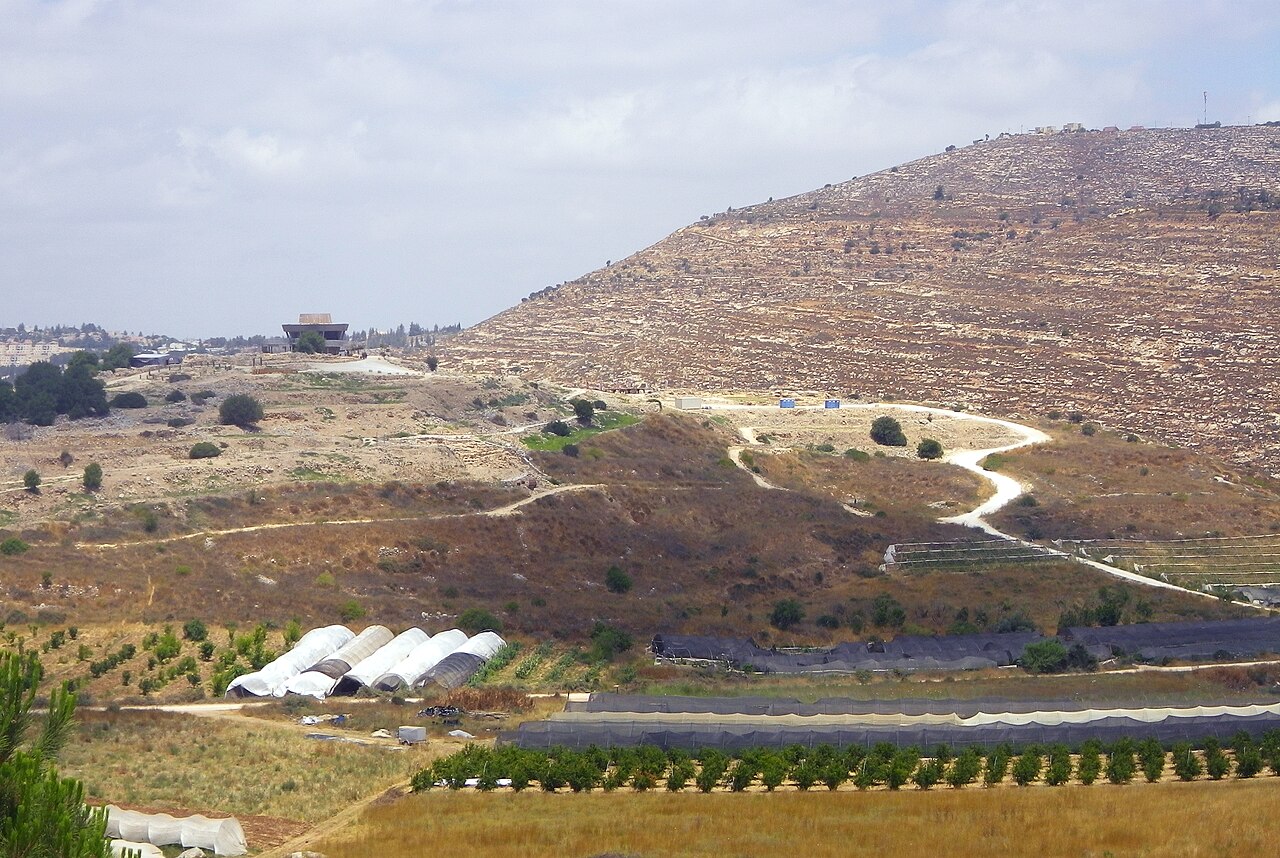
Shiloh (Tel Shiloh, pictured) held the tabernacle and ark in the time of Eli (1 Samuel 1–4). The psalm reads the ark's capture by the Philistines (1 Samuel 4) as God abandoning Shiloh; Jeremiah 7:12–14 later uses Shiloh's fate as a warning to Jerusalem. Excavations show destruction at Shiloh in the Iron Age, but its date and cause are debated and do not by themselves confirm the biblical account.
Zoan
"The field of Zoan" (vv. 12, 43): Zoan is Tanis in the eastern Nile Delta, a royal city of later Egyptian dynasties. Placing the exodus wonders there reflects the geography of the poet's time; Exodus names Pithom, Raamses and Goshen instead.
"Parables" and Matthew 13:35
Matthew 13:35 quotes 78:2, "I will open my mouth in parables; I will utter things which have been kept secret from the foundation of the world," calling it the words of "the prophet" (some manuscripts add "Isaiah"). Matthew's second line is closer to the Hebrew than to the Greek. Mashal and hidot, "parable" and "riddles," here mean instructive sayings drawn from history.
"Angels' food"
78:25 Hebrew lehem abbirim, "bread of the mighty ones." The Greek translated "bread of angels" (Vulgate "Panem angelorum manducavit homo"), and the KJV follows. John 6:31 quotes 78:24 ("He gave them bread from heaven to eat").
The middle of the Psalter
Psalm 78 has 72 verses, the second-longest psalm after 119. Rabbinic tradition (Babylonian Talmud, Kiddushin 30a) says that 78:38, "But he, being full of compassion, forgave their iniquity," is the middle verse of the Psalms. The heading is "Maschil of Asaph."
What the evidence shows
- Psalm 78's plague list differs in order and number from Exodus.
- Matthew 13:35 quotes Psalm 78:2.
- The Greek/Latin read "bread of angels" in 78:25.Source: The site's library: Westminster Leningrad Codex, KJV, Clementine Vulgate (Gallican Psalter), Giguet's French of the Greek, Douay-Rheims
- Archaeology confirms Shiloh's destruction in Eli's time.
Continue the journey
Journey of a PassagePsalm 78:2: "I will open my mouth in a parable" and Matthew 13:35The witnesses agree: "I will open my mouth in a parable; I will utter dark sayings of old." Matthew 13:35 quotes the verse of Jesus' parables, with a second line, "things which have been kept secret from the foundation of the world," that differs from the Greek psalm.More from this lesson
Why this matters to the rest of Scripture
- The plagues in Exodus.
- The ark captured.
- "I will open my mouth in parables."
- "He gave them bread from heaven."