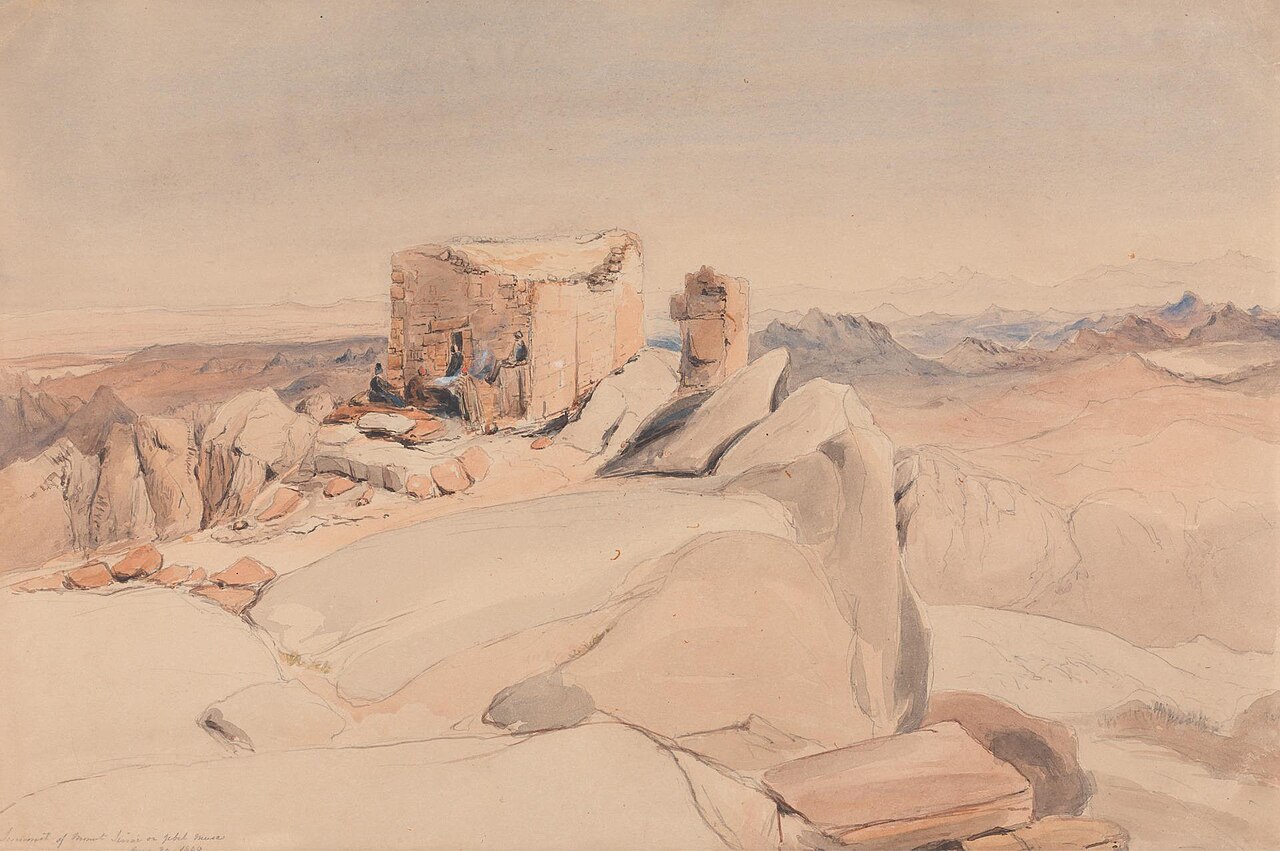
"Lord, thou hast been our dwelling place in all generations. Before the mountains were brought forth, or ever thou hadst formed the earth and the world, even from everlasting to everlasting, thou art God. Thou turnest man to destruction; and sayest, Return, ye children of men. For a thousand years in thy sight are but as yesterday when it is past, and as a watch in the night."
"Thou carriest them away as with a flood; they are as a sleep: in the morning they are like grass which groweth up. In the morning it flourisheth, and groweth up; in the evening it is cut down, and withereth. For we are consumed by thine anger… we spend our years as a tale that is told."
"The days of our years are threescore years and ten; and if by reason of strength they be fourscore years, yet is their strength labour and sorrow; for it is soon cut off, and we fly away… So teach us to number our days, that we may apply our hearts unto wisdom."
"Return, O LORD, how long? and let it repent thee concerning thy servants. O satisfy us early with thy mercy; that we may rejoice and be glad all our days. Make us glad according to the days wherein thou hast afflicted us… And let the beauty of the LORD our God be upon us: and establish thou the work of our hands upon us; yea, the work of our hands establish thou it."
"Return"
"Thou turnest man to destruction (dakka', dust); and sayest, Return (shuvu), ye children of men" (v. 3) echoes Genesis 3:19, "unto dust shalt thou return." Later the people pray, "Return (shuvah), O LORD" (v. 13). The same verb frames human mortality and the plea for God's mercy. Moses uses the same plea in Exodus 32:12 ("Turn from thy fierce wrath, and repent").
Seventy or eighty years
"Threescore years and ten" is poetry about the brevity of life, not a statistical lifespan. The point is that even the strongest years are "labour and sorrow" and soon gone. "A thousand years… as yesterday" is quoted in 2 Peter 3:8 ("one day is with the Lord as a thousand years").
"A Prayer of Moses"
Psalm 90 is the only psalm attributed to Moses, "the man of God" (Deuteronomy 33:1). Its language echoes Moses' songs and intercessions (Deuteronomy 32; Exodus 32:12). Rabbinic tradition (Midrash Tehillim) attributed Psalms 90–100 to Moses. Most scholars date the psalm much later; its heading places the prayer within Moses' tradition of intercession, which no external evidence can confirm or refute.
A new book after a crisis
Psalm 89 ended Book III with the Davidic throne in the dust. Book IV begins with Moses, the leader before there were kings, and moves to "The LORD reigneth" (93, 95–99). Psalms 93 and 95–99 proclaim "The LORD reigneth" (YHWH malakh) or celebrate God as King. Placed after Psalm 89's lament over the fallen Davidic throne, they answer: the human king has fallen, but the LORD still reigns. Gerald Wilson saw Book IV as the Psalter's editorial response to the exile.
In the versions
Greek and Latin number it 89 (Vulgate "Oratio Moysi, hominis Dei"). Isaac Watts' hymn "O God, our help in ages past" (1719) paraphrases the psalm.
What the evidence shows
- Psalm 90 is the only psalm headed "of Moses."
- Moses composed Psalm 90. Heading tradition; not independently verifiable.
- 2 Peter 3:8 echoes 90:4.
Continue the journey
Ancient MysteriesAfter the Fall of the King: Book IV and "The LORD Reigneth"Was Book IV of the Psalms arranged as an answer to the collapse of David's dynasty?More from this lesson
Investigations
Optional deep dives: the ancient sources, the physical evidence, and every interpretation side by side, including unconventional ones, each labeled for what it is.
After the Fall of the King: Book IV and "The LORD Reigneth"The pattern: documented · Deliberate editorial design: supported but debated
Was Book IV of the Psalms arranged as an answer to the collapse of David's dynasty?
Book III ends with Psalm 89 asking where God's promises to David have gone. Book IV (Psalms 90–106) begins with the only psalm headed "of Moses," proclaims again and again that "the LORD reigneth" (93, 96, 97, 99), recalls Moses and the wilderness (90, 95, 99, 103, 105, 106), and ends with a prayer to be gathered from among the nations. Many scholars, following Gerald Wilson, read this as a deliberate editorial answer to the exile: the Davidic king has fallen, but the LORD is still King, as he was in Moses' time before there were kings. The individual psalms are older and varied; the argument concerns their arrangement.
Open the full investigation →Why this matters to the rest of Scripture
- "Moses the man of God."
- "Unto dust shalt thou return."
- "One day is with the Lord as a thousand years."