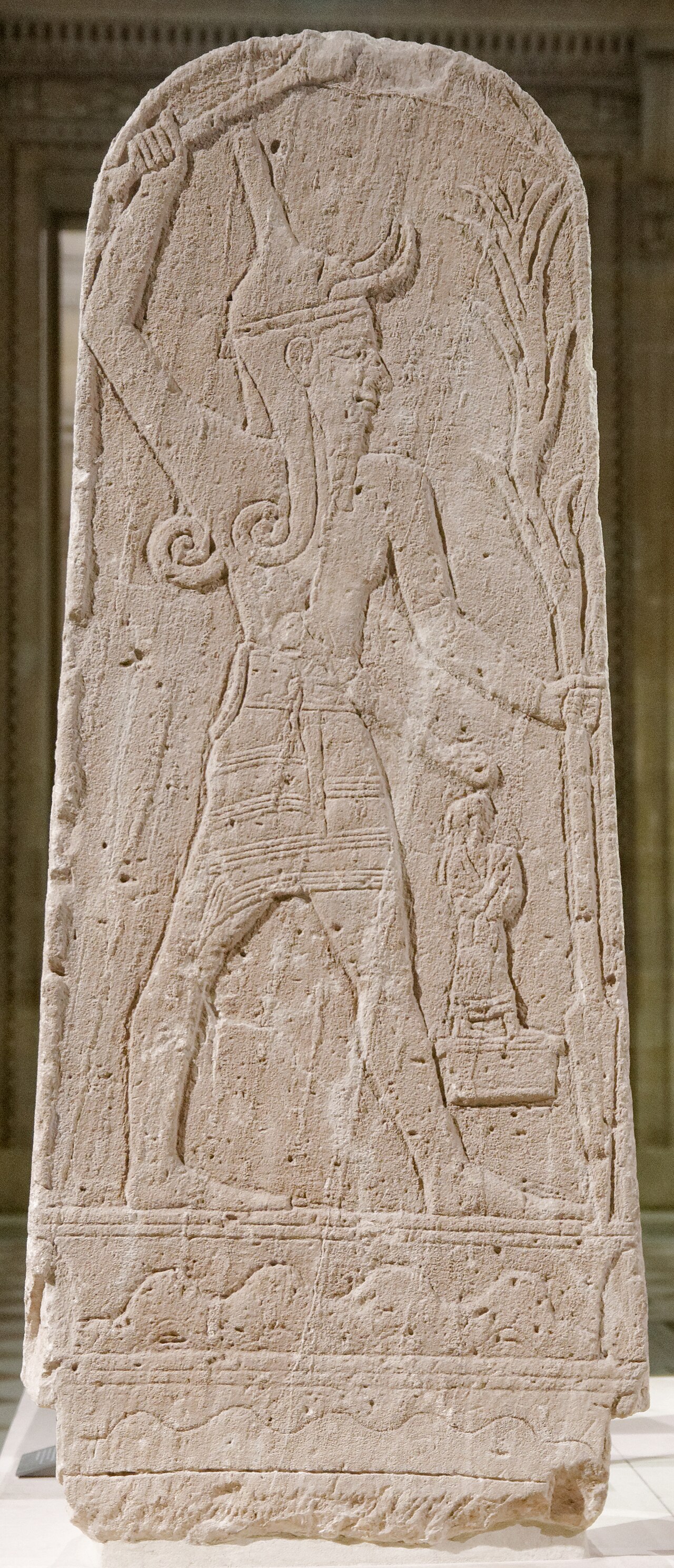
"God standeth in the congregation of the mighty; he judgeth among the gods… I have said, Ye are gods; and all of you are children of the most High. But ye shall die like men, and fall like one of the princes" (Psalm 82:1, 6–7).
Psalm 82 (Masoretic Text)
- Language
- Hebrew
- Composed
- Unknown; often dated to the monarchy or later (debated)
- Oldest surviving copy
- Leningrad Codex (AD 1008); Qumran Psalms fragments preserve parts of the Psalter (coverage of Psalm 82 to be checked, C)
- Status
- Scripture (Jewish and Christian)
'Adat-el ("congregation of El"); elohim used both for God and for "gods"; ke'adam temutun, "like Adam/humans you shall die."
Ugaritic texts (Baal Cycle and others)
- Language
- Ugaritic
- Composed
- Copies of c. 1300–1200 BC
- Oldest surviving copy
- Clay tablets from Ugarit (Ras Shamra)
- Status
- Not scripture
Speak of the "assembly of El" and the "sons of El," the gods gathered around El, the high god.
Source: M. S. Smith and W. T. Pitard, The Ugaritic Baal Cycle (VTSup, 1994–2009)
Deuteronomy 32:8
- Language
- Hebrew and Greek
- Composed
- Song of Moses (date debated)
- Oldest surviving copy
- Qumran 4QDeut-j (reported) and the Greek tradition
- Status
- Scripture
The Masoretic Text has nations divided "according to the number of the sons of Israel"; a Qumran manuscript is reported to read "sons of God" and the Greek "angels of God": a council reading found in the oldest witnesses (C check).
11QMelchizedek (11Q13)
- Language
- Hebrew
- Composed
- 1st century BC
- Oldest surviving copy
- Qumran Cave 11
- Status
- Not scripture
Applies Psalm 82:1 ("Elohim stands in the congregation of El") to Melchizedek as a heavenly judge: an early Jewish reading of the elohim as a heavenly figure.
Babylonian Talmud, Avodah Zarah 5a
- Language
- Hebrew and Aramaic
- Composed
- c. AD 500 (earlier traditions)
- Oldest surviving copy
- Medieval manuscripts
- Status
- Rabbinic
Reads 82:6–7 of Israel at Sinai: "I said, ye are gods" (made immortal by receiving the Torah), "but ye shall die like men" after the golden calf.
John 10:34–36
- Language
- Greek
- Composed
- Late 1st century AD
- Oldest surviving copy
- Papyri of John from the 2nd–3rd centuries (P66, P75)
- Status
- Christian scripture
"Is it not written in your law, I said, Ye are gods? If he called them gods, unto whom the word of God came… say ye of him, whom the Father hath sanctified… Thou blasphemest?"
The Ugaritic tablets, found from 1929 onward at Ras Shamra on the Syrian coast, revealed a Canaanite religious vocabulary close to the Bible's: El as father of the gods, the assembly of the gods, Baal as storm god. They show what "the congregation of El" would have meant to a Northwest Semitic audience. They do not show which reading of Psalm 82 its author intended.
Among the Dead Sea Scrolls, 11QMelchizedek (published 1965) quotes Psalm 82:1–2 of a heavenly judge, and a Deuteronomy manuscript (4QDeut-j) is reported to read "sons of God" in Deuteronomy 32:8. Both show Jewish readers before Christianity understanding divine-council language of heavenly beings.
Scholarly reconstruction
Original context: heavenly beings or gods of the nations
The council is God's heavenly court; the "gods" are divine beings set over the nations (compare Deuteronomy 32:8 in its Qumran and Greek form), condemned for injustice and sentenced to "die like men" (ke'adam, "like humans" or "like Adam"). The psalm ends: "Arise, O God, judge the earth: for thou shalt inherit all nations."
Evidence offered: (1) 'Adat-el, "congregation of El," is council language with close Ugaritic parallels. (2) The sentence "you shall die like humans… like one of the princes" is a demotion only if the addressees were not mortal. (3) The final verse moves from the council to God's rule over "all nations," matching the idea of gods allotted to nations. (4) Early Jewish evidence (11QMelchizedek) reads the elohim of v. 1 as heavenly.
Assessment: Best supported as a reconstruction of the poem's original meaning. Weakness: we cannot be sure how literally the poet understood these "gods."
Source: M. S. Smith and W. T. Pitard, The Ugaritic Baal Cycle (VTSup, 1994–2009)
Traditional reading
Original context (alternative): human judges
The elohim are human rulers or judges, called "gods" because they exercise God's judgment (compare Exodus 21:6; 22:8–9, where elohim may mean judges or God). The Aramaic Targum reads judges here.
Evidence offered: The charge concerns courts and the poor; human judges are rebuked in Psalm 58.
Assessment: Possible, but weaker as a reading of the Hebrew poem: elohim for human judges in Exodus is itself disputed, and "you shall die like humans" loses its force if the addressees are already human.
Traditional reading
Later Jewish reception: Israel at Sinai
Rabbinic reading (Avodah Zarah 5a): Israel became "gods," free from death, at Sinai, and lost it through the golden calf.
Evidence offered: Rabbinic exegesis linking v. 6–7 with Sinai.
Assessment: A theological interpretation from late antiquity, not a reconstruction of the poem's first setting. Important as reception history.
Traditional reading
Later Christian reception: John 10 and deification
Jesus argues from the lesser to the greater: if Scripture calls "gods" those to whom God's word came, he is not blaspheming in calling himself God's Son. Early Christian writers such as Irenaeus used 82:6 in teaching on humanity's calling to share in divine life.
Evidence offered: John 10:34–36; patristic citations.
Assessment: Reception history. John's argument presupposes a reading in which humans were addressed, which shows how the psalm was read in the 1st century AD rather than what it meant when composed.
Psalm 82 uses the Northwest Semitic picture of a divine council to proclaim that the God of Israel judges every power by one standard: justice for the weak. On the evidence of its own wording and its ancient Near Eastern background, the most probable original meaning is that the condemned "gods" are heavenly beings or the gods of the nations. The human-judges reading is a possible but weaker alternative. Israel-at-Sinai and the use in John 10 belong to later Jewish and Christian reception and are presented as such.
The library's Hebrew, Greek (Giguet), Latin and English agree on the wording (D check). The Vulgate reads "Deus stetit in synagoga deorum… Ego dixi: Dii estis." Qumran coverage of Psalm 82 and the Targum's wording remain to be checked in editions (C checks).