myBibleHistory

Ancient Mysteries & Interpretations

Molech and the Tophet

Leviticus forbids giving children "to Molech." Kings and Jeremiah say Judahite kings made their children "pass through the fire" at the Topheth in the Valley of Hinnom. At Carthage, archaeologists have excavated vast cemeteries of cremated infants called tophets. Whether Molech was a god or a sacrifice, and whether the Carthage infants were sacrificed, are both debated.

Biblical prohibition: clear · Identity of Molech: disputed · Carthage sacrifice: disputed but supported

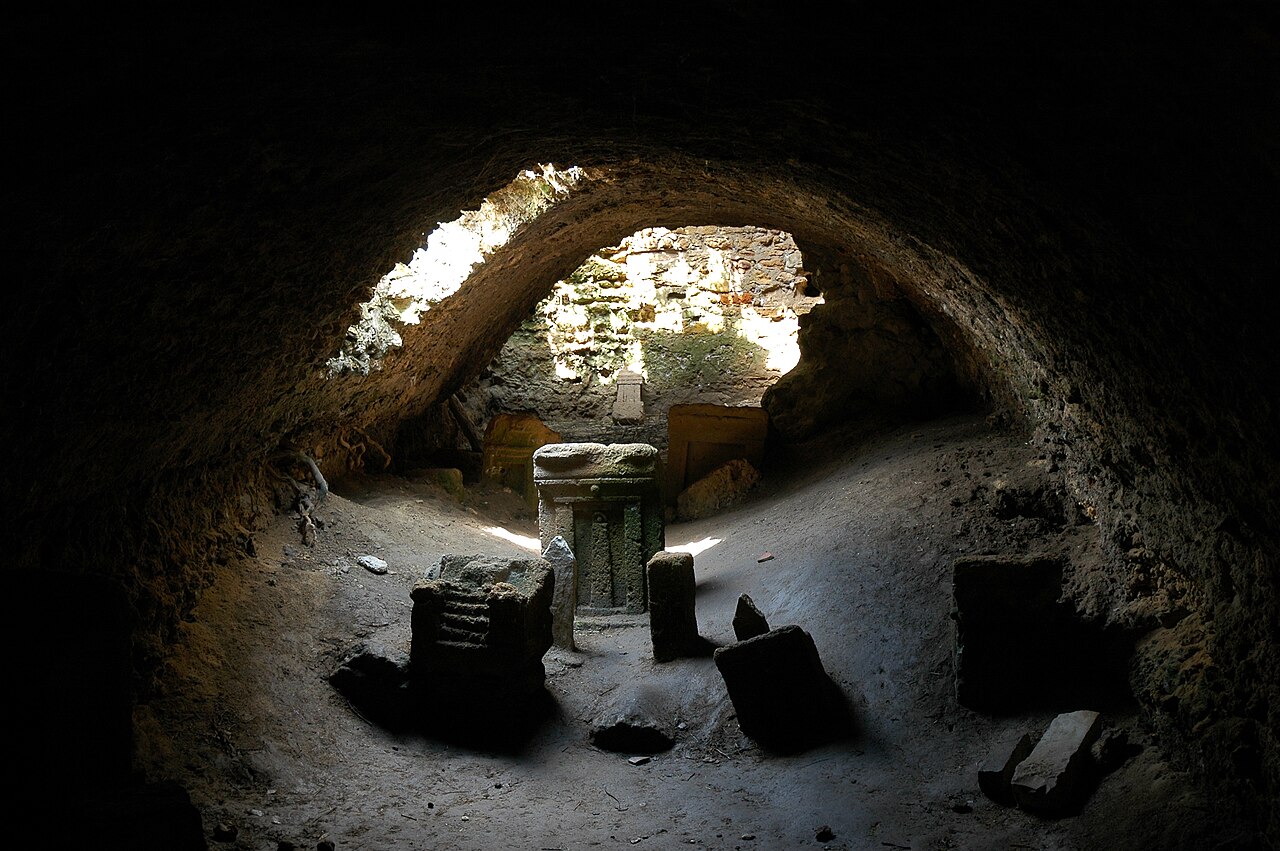
The tophet of Carthage
Site or place photographThe tophet of Carthage (Salammbô), with stelae over infant burial urns.Image credit

1 What Scripture says

2 Kings 16:3; 21:6; 23:10Jeremiah 7:31; 19:5; 32:35

"Thou shalt not let any of thy seed pass through the fire to Molech" (Leviticus 18:21). Ahaz "made his son to pass through the fire, according to the abominations of the heathen" (2 Kings 16:3). "They have built the high places of Tophet… to burn their sons and their daughters in the fire; which I commanded them not, neither came it into my heart" (Jeremiah 7:31). Josiah "defiled Topheth… that no man might make his son or his daughter to pass through the fire to Molech" (2 Kings 23:10).

2 What evidence we might expect

  • A deity named Molech or Malik in Israel's world.
  • Physical evidence of child sacrifice in the region.
  • Ancient testimony about such rites.

3 What ancient sources survive

Punic votive stelae from Carthage and other tophets

Language
Punic (Phoenician)
Composed
8th–2nd centuries BC
Oldest surviving copy
The stelae themselves
Status
Dedications

Many are dedicated to Baal Hammon and Tanit and use the term mlk (molk), sometimes mlk ʾmr (a molk of a lamb) or mlk bʿl.

Greek and Roman accounts

Language
Greek, Latin
Composed
4th century BC – 3rd century AD
Oldest surviving copy
Kleitarchos, Diodorus Siculus 20.14, Plutarch, Tertullian
Status
Outsiders' reports

Describe Carthaginians sacrificing children to Kronos (Baal Hammon) in times of crisis.

4 What discoveries exist

The tophet of Carthage (Salammbô), excavated from the 1920s and by Lawrence Stager's team in the 1970s, held thousands of urns with the cremated bones of infants and young animals, under stelae, over six centuries. Similar precincts were found in Sicily, Sardinia and at Tyre. No tophet has been excavated in the Valley of Hinnom, and the Jerusalem evidence comes only from the Bible.

The tophet of Carthage
Site or place photographThe tophet of Carthage (Salammbô), with stelae over infant burial urns.Image credit

In 2010 Jeffrey Schwartz and colleagues argued from the ages of the infants that many were stillborn or died soon after birth, so the tophet could be a special cemetery. In 2013 Paolo Xella and colleagues answered that the inscriptions, the ancient testimony, and the ages together support sacrifice. The debate continues.

5 How interpretations compare

Scholarly reconstruction

A god of child sacrifice

Molech was a deity (perhaps an underworld god, related to Malik known at Ebla, Ugarit and Mari) to whom children were sacrificed.

Source: J. Day, Molech: A God of Human Sacrifice in the Old Testament (1989); G. C. Heider, The Cult of Molek: A Reassessment (1985)

Scholarly reconstruction

A type of sacrifice

Following Eissfeldt, "molech" is the Punic sacrificial term mlk; "to Molech" means "as a molk-offering," possibly even offered to the LORD, which the law forbids.

Source: O. Eissfeldt, Molk als Opferbegriff im Punischen und Hebräischen (1935)

Scholarly reconstruction

Sacrifice at Carthage

The tophets were places of child sacrifice, as Greek and Roman authors reported.

Source: L. E. Stager and S. R. Wolff, "Child Sacrifice at Carthage: Religious Rite or Population Control?" BAR 10:1 (1984); P. Xella et al., "Phoenician Bones of Contention," Antiquity 87 (2013); Diodorus Siculus, Library of History 20.14 (1st century BC)

6 The strongest supported reconstruction

The Bible consistently condemns child sacrifice and claims it reached Judah under some kings. Carthage shows that a practice of this kind existed in the Phoenician world, though its interpretation is debated. Evidence from Carthage cannot by itself confirm what happened in Jerusalem, and the identity of Molech remains open.

7 What remains possible or unknown

  • Whether Molech was a god's name or a sacrificial term.
  • The extent of child sacrifice in Judah.

What the evidence shows

  • Independently documentedThousands of cremated infant burials were found in the tophet of Carthage.

    Source: L. E. Stager and S. R. Wolff, "Child Sacrifice at Carthage: Religious Rite or Population Control?" BAR 10:1 (1984)

  • Independently documentedPunic inscriptions use mlk as a sacrificial term.

    Source: O. Eissfeldt, Molk als Opferbegriff im Punischen und Hebräischen (1935)

  • DisputedThe Carthage infants were sacrificed.

    Source: P. Xella et al., "Phoenician Bones of Contention," Antiquity 87 (2013); J. H. Schwartz et al., "Skeletal Remains from Punic Carthage Do Not Support Systematic Sacrifice of Infants," PLoS ONE 5(2): e9177 (2010) ↗

  • DisputedMolech was a deity.

    Source: J. Day, Molech: A God of Human Sacrifice in the Old Testament (1989)

  • Plausible, not confirmedJudahite kings sacrificed children at the Topheth. Reported in Kings and Jeremiah; no excavated evidence in Jerusalem.

Where this connects