Genesis 37:36
Medanites or Midianites? Who sold Joseph
The standard Hebrew text names "Medanites" as the traders who sold Joseph in Egypt. The Samaritan, Greek and Latin read "Midianites," as in verse 28. A one-letter difference.
Manuscript variant: witnesses differ in wording
The family tree
Each row is a language or text tradition. Witnesses in the same row may share ancestry, revise one another, or have an uncertain relationship; the line under each box says which. A solid arrow appears only where direct copying or a documented revised edition is established. Order by date never implies copying. Scroll sideways on a phone.
✓ contains it · ✕ does not · ❝ quotes part of it · ⓘ reports on manuscripts · ▢ pages lost · – no copy survives
- Same line, through lost copies
- Translation
- Modern edition based on it
Side by side
- Hebrew (Masoretic)
- And the Medanites sold him into Egypt
- Samaritan, Greek, Latin, Syriac
- And the Midianites sold him into Egypt
Every witness, in order
Unknown (debated)
Original Genesis
No original survives.
Translated c. 250 BC; codices 4th–5th century
Septuagint
How the site knows this: Reported in scholarship; not checked by the site.
As for the Midianites, they sold Joseph into Egypt to Potiphar…
Reads Madiēnaioi, "Midianites," as do the Syriac Peshitta and later Aramaic paraphrases.
c. AD 400
Jerome's Vulgate
How the site knows this: Read in the site's library text: Clementine Vulgate (1592 edition).
Madianitae vendiderunt Joseph in Aegypto Putiphari
The Midianites sold Joseph in Egypt to Putiphar…
Jerome translated from Hebrew but reads "Midianites," either because his Hebrew text had it or to agree with verse 28.
AD 1008
Masoretic Text (Leningrad Codex)
How the site knows this: Read in the site's library text: Westminster Leningrad Codex, a digital transcription of the Leningrad Codex.
וְהַמְּדָנִים מָכְרוּ אֹתוֹ אֶל־מִצְרָיִם
And the Medanites sold him into Egypt to Potiphar…
Reads Medanim, "Medanites." Medan and Midian are both named as sons of Abraham and Keturah (Genesis 25:2). Verse 28 in the same manuscript says "Midianites."
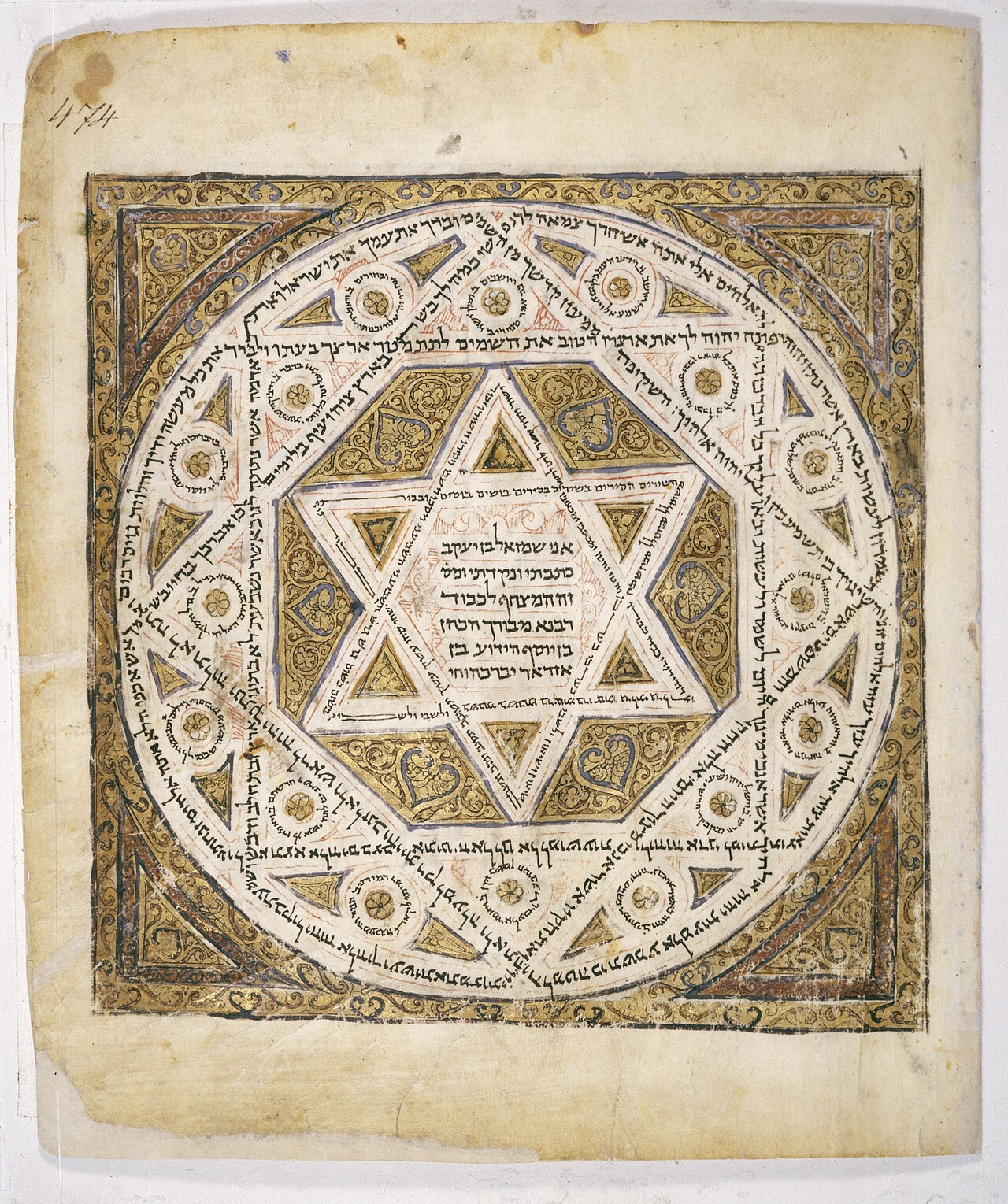
Historical manuscriptImage credit Pictured: a decorated page from the codex, not Genesis 37.
Ancient tradition; medieval copies
Samaritan Pentateuch
How the site knows this: Read in the site's library text: Samaritan Pentateuch, Kennicott's 1780 text digitized by A. Sigalov.
והמדינים מכרו את יוסף מצרימה
And the Midianites sold Joseph into Egypt…
Reads Midianim, "Midianites," matching verse 28, and names Joseph where the Hebrew says "him."
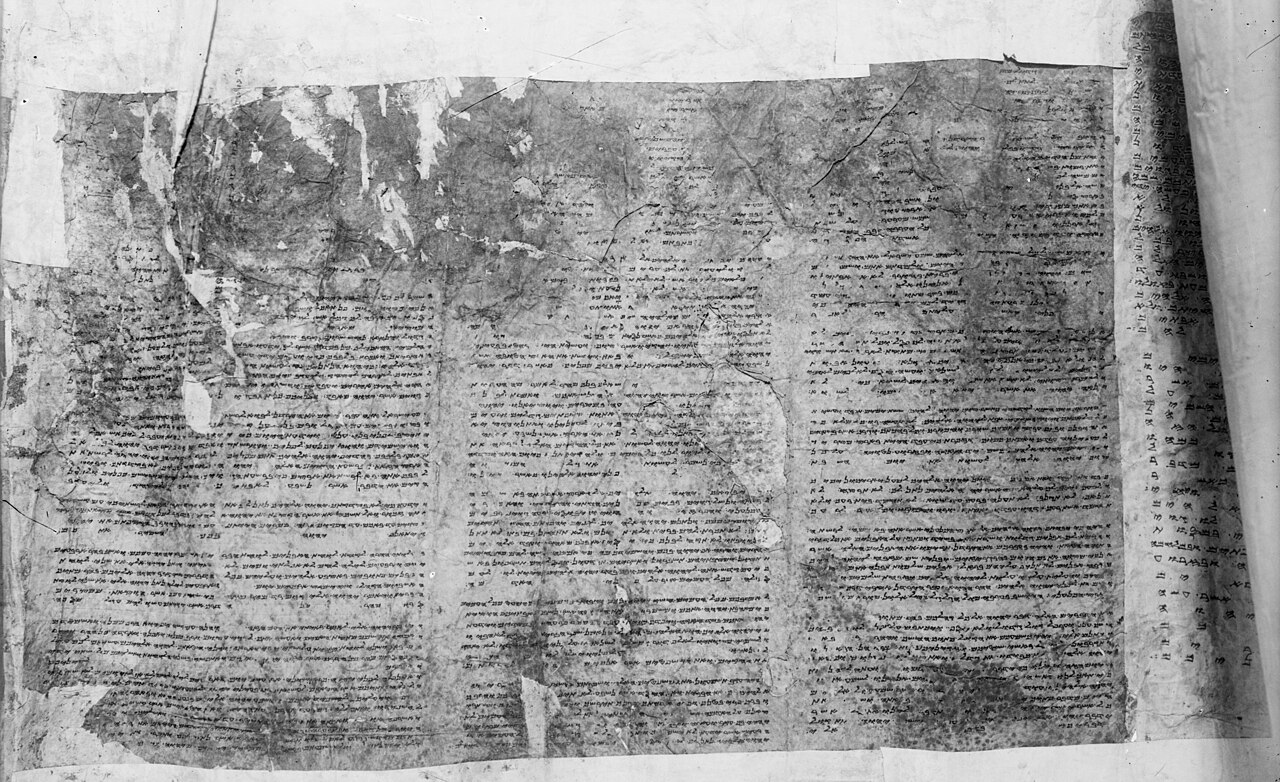
Historical manuscriptImage credit Pictured: a Samaritan Torah scroll, not this verse.
1611
King James Bible
How the site knows this: Read in the site's library text: King James Version (1769 text).
And the Midianites sold him into Egypt unto Potiphar
Translates "Midianites" without a note, as does the 1917 Jewish Publication Society translation.
today
Modern Bibles (ESV, NIV, NASB)
How the site knows this: Checked in a published edition.
Meanwhile the Midianites had sold him in Egypt to Potiphar
Most print "Midianites" with a footnote that the Hebrew reads "Medanites."
Source: ESV ↗
What changed, and why
In Hebrew the two names differ by a single letter, a yod: medanim versus midyanim. Scribes could easily drop or add it. Most scholars think the original read "Midianites" and the Masoretic tradition lost a letter; some think "Medanites" is original, since a harder reading is less likely to have been invented, and later witnesses harmonized it with verse 28.
This variant matters less for its meaning than for what it shows: a real copying difference in a small word, preserved for us by independent witnesses, and handled openly by translators. It is also tied to a bigger question in Genesis 37: whether the traders were Ishmaelites, Midianites, or both (see the lesson).
What the evidence shows
- The Masoretic Text of Genesis 37:36 reads "Medanites"; the Samaritan, Greek and Latin read "Midianites."
- The original reading was "Midianites." The majority view; not certain.
Sources
- NET Bible translators' note on Genesis 37:36 ↗
- E. Tov, Textual Criticism of the Hebrew Bible, 3rd ed. (Fortress, 2012)
Related lessons
- Joseph Is Sold into Egypt →Jacob's favorite son dreams of his brothers bowing to him. They throw him into a pit and sell him to traders bound for Egypt, and tell their father he is dead.