Ugaritic texts on the assembly of El
- Language
- Ugaritic
- Composed
- Copied c. 1350–1200 BC
- Oldest surviving copy
- Ugarit tablets
- Status
- Not scripture
"The assembly of the sons of El."
Ancient Mysteries & Interpretations
Micaiah sees God enthroned among the host of heaven, deliberating how to bring Ahab to his death. The scene uses divine-council imagery shared with Ugaritic texts and other biblical passages. The "lying spirit" has been read as judicial hardening, a parable, or an ancient way of attributing events to God. Readings of the scene as alien visitors have no evidence.
Council imagery: documented · Meaning of the lying spirit: debated · Ancient-astronaut reading: speculation
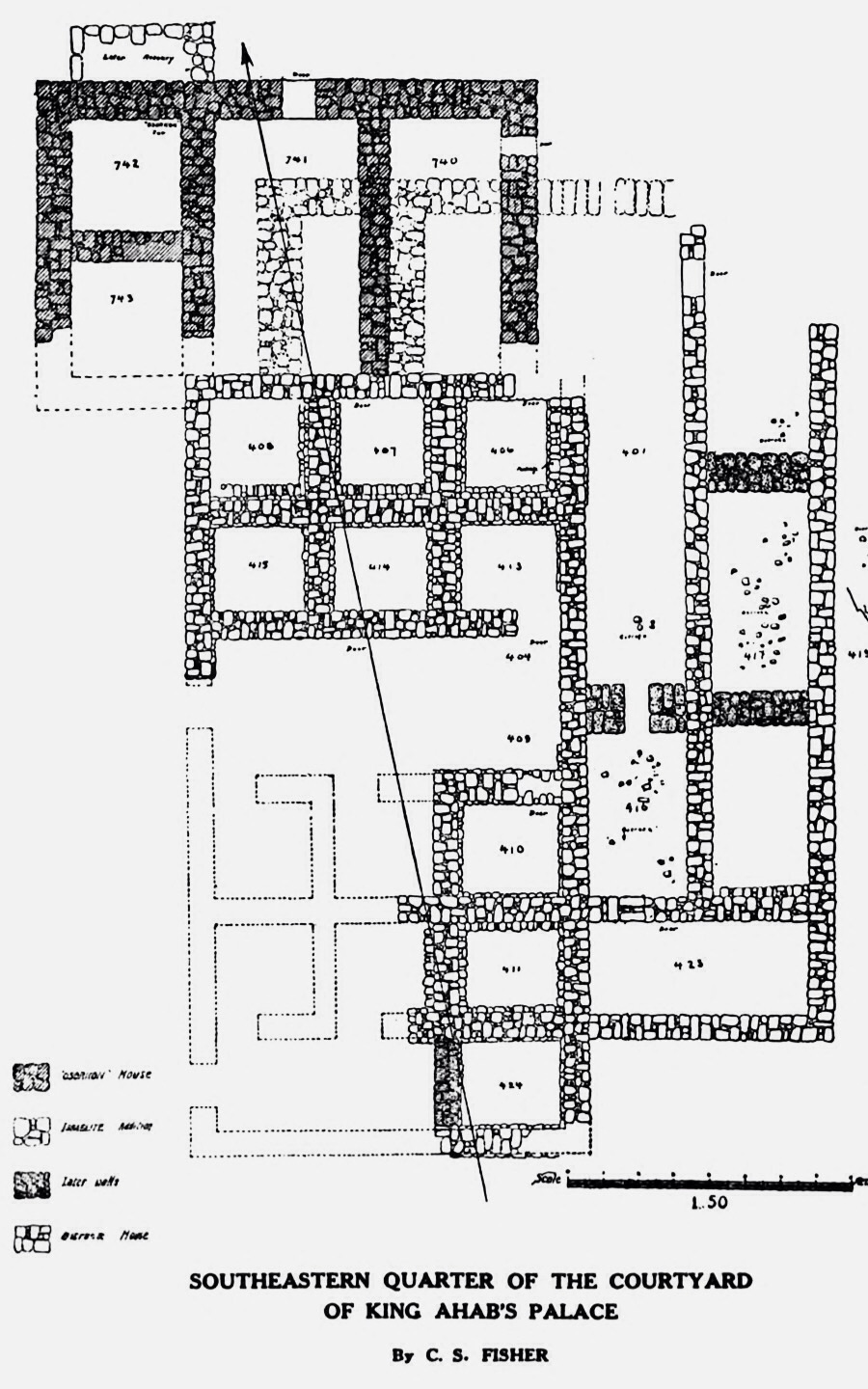
"I saw the LORD sitting on his throne, and all the host of heaven standing by him" (1 Kings 22:19).
"The assembly of the sons of El."
Traditional reading
God gives a king who rejects truth over to the falsehood he wants.
Scholarly reconstruction
The vision exposes the court prophets as unreliable.
Source: USCCB, notes on 1 Kings 22 (divine council, chronology) ↗
Modern speculative theory
The host of heaven were extraterrestrials.
Assessment: No textual or material evidence; contradicts the scene's shared ancient imagery.
Micaiah's vision draws on ancient divine-council imagery to declare that the LORD rules history.
What the evidence shows