Ancient Mysteries and Echoes: Baal, Wisdom, Prophecy and Heavenly Assemblies
What 1 Kings shares with its neighbors, and what it says differently
| Theme | Neighbors | 1 Kings | Lesson |
|---|---|---|---|
| Royal wisdom | Egyptian instructions; Mesopotamian proverbs; kings as just judges | Solomon asks for a listening heart; proverbs and lore about nature | Solomon Asks for Wisdom |
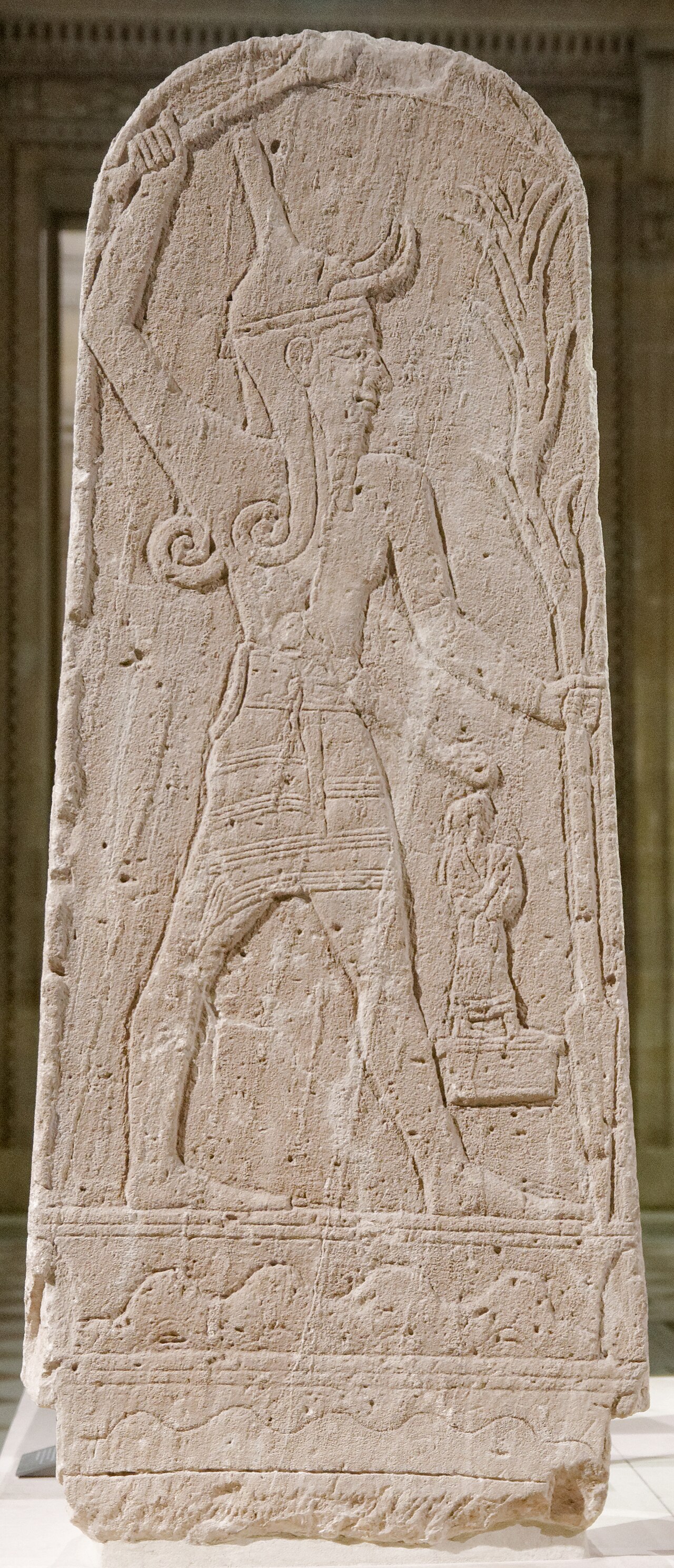
| Storm god | Baal of Ugarit gives rain; dies and returns | The LORD withholds and sends rain; Baal is silent | The Contest on Carmel |
| Divine assembly | El and the gods in council at Ugarit | The LORD enthroned with the host of heaven | Micaiah and the Heavenly Council |
| Royal dreams | Thutmose IV's Sphinx Stele; Mesopotamian kings | God appears to Solomon at Gibeon | Solomon Asks for Wisdom |
Solomon the magician
From the Testament of Solomon (1st–5th c. AD) to the Quran and medieval grimoires (the "Key of Solomon"), Solomon became a master of demons and spirits. Josephus already says Solomon composed incantations (Antiquities 8.45). These are important reception history. They are not evidence of ancient technology, and no object connected with them dates to Solomon's time.
Cherubim, cloud and fire as machines?
| Question | Answer |
|---|---|
| Original source | 1 Kings 6–8, 18, 22 (composed by the 6th century BC, using older sources) |
| Earliest witness | Qumran fragments of Kings (1st c. BC); complete Hebrew codices (10th–11th c. AD) |
| Strongest modern claim | Cherubim, the cloud, fire from heaven and the heavenly council describe advanced visitors or devices |
| Objections | The language matches ancient Near Eastern religious imagery (winged guardians, storm theophany, divine council) known from many texts and objects |
| Testable mechanism? | None proposed that could be checked; no artifact supports it |
| Assessment | Speculation, not supported by evidence |
What the evidence shows
- Ugaritic texts describe Baal as a storm god and El presiding over a divine assembly.Source: USCCB, notes on 1 Kings 18 (Baal as storm god) ↗; USCCB, notes on 1 Kings 22 (divine council, chronology) ↗
- Solomon was credited with power over demons in later tradition.
- The temple or the cherubim were technological devices.
Continue the journey
Journey of a Passage1 Kings 22:19–23: A lying spirit in the prophets' mouthsThe witnesses checked agree on Micaiah's vision of the heavenly council.More from this lesson
Investigations
Optional deep dives: the ancient sources, the physical evidence, and every interpretation side by side, including unconventional ones, each labeled for what it is.
Baal, Rain and Mount CarmelBaal religion: documented · Site of the contest: tradition · The miracle: faith
Who was Baal, and why is the contest about fire and rain?
Ugaritic texts (13th century BC) portray Baal as the storm god who brings rain, fights Death, and whose absence dries the land. The Carmel story challenges Baal on exactly these powers. The Phoenician Baal of Jezebel's Tyre was probably Baal Shamem or Melqart. The contest itself is known only from Kings.
Open the full investigation →Micaiah's Divine CouncilCouncil imagery: documented · Meaning of the lying spirit: debated · Ancient-astronaut reading: speculation
What is the "host of heaven" around God's throne, and what is the lying spirit?
Micaiah sees God enthroned among the host of heaven, deliberating how to bring Ahab to his death. The scene uses divine-council imagery shared with Ugaritic texts and other biblical passages. The "lying spirit" has been read as judicial hardening, a parable, or an ancient way of attributing events to God. Readings of the scene as alien visitors have no evidence.
Open the full investigation →Echoes Across Civilizations
Optional: how other ancient peoples told similar stories. Open one to compare, then come back to the lesson.
The wise kingBabylonian · Egyptian · Aramaic / Assyrian
Did other ancient kings claim divine wisdom and fame for justice?
- Babylonian: Hammurabi's prologue and epilogue Shared literary world
- Egyptian: Royal and scribal instructions (Amenemope, Merikare) Possible historical contact
- Aramaic / Assyrian: The Words of Ahiqar Resemblance only
Storm gods, drought and rainUgaritic · Hittite
How did Israel's neighbors explain drought and rain?
- Ugaritic: The Baal Cycle Shared literary world
- Hittite: The vanishing god (Telipinu) Resemblance only
The assembly of heavenUgaritic · Babylonian
Did other peoples imagine a council of gods around a supreme god?
- Ugaritic: The assembly of El Shared literary world
- Babylonian: The assembly of the gods in Enuma Elish and Atrahasis Shared literary world
Why this matters to the rest of Scripture
- The LORD's voice in the storm.
- God in the divine council.