Asa and the Northern Kings
"Asa's heart was perfect with the LORD all his days"
Abijam "walked in all the sins of his father… nevertheless for David's sake did the LORD his God give him a lamp in Jerusalem." Asa "did that which was right in the eyes of the LORD, as did David his father." He removes the cult prostitutes and idols, "and also Maachah his mother, even her he removed from being queen, because she had made an idol in a grove; and Asa destroyed her idol, and burnt it by the brook Kidron. But the high places were not removed."
Baasha builds Ramah to cut off Judah. Asa takes "all the silver and the gold that were left in the treasures of the house of the LORD" and sends it to Ben-hadad son of Tabrimon son of Hezion, king of Aram in Damascus: "break thy league with Baasha." Ben-hadad strikes Ijon, Dan, Abel-beth-maachah and all Chinneroth. Judah carries away Ramah's stones and timber to build Geba and Mizpah.
In Israel, Nadab son of Jeroboam reigns two years. Baasha of Issachar kills him at Gibbethon, a Philistine town under siege, and destroys all Jeroboam's house, "according unto the saying of the LORD, which he spake by his servant Ahijah the Shilonite." "And there was war between Asa and Baasha king of Israel all their days." In his old age Asa "was diseased in his feet."
Maacah and the Asherah
Asherah can mean a goddess or a wooden cult object associated with her. Inscriptions from Kuntillet Ajrud and Khirbet el-Qom (8th century BC) mention "YHWH and his asherah," showing that some Israelites linked the two. The queen mother (gevirah) held real status at court.
Ben-hadad's raid
The towns struck (Ijon, Dan, Abel-beth-maacah, the Kinneret region) lie on the northern route from Damascus. Several were excavated, but destruction layers cannot be assigned to this raid with confidence. Which Ben-hadad this is, and how he relates to the Ben-hadad of chapter 20 and Assyrian records, is debated.
A chronological knot
1 Kings 16:8 has Baasha's son Elah become king in Asa's 26th year, so Baasha was dead by then. 2 Chronicles 16:1 has Baasha attack Judah "in the six and thirtieth year of the reign of Asa." Proposals: the Chronicler counts from the division of the kingdom, not from Asa's accession; a copying error in the numbers; or different systems of reckoning. The site shows the texts side by side and does not adjust them.
The Case for the Biblical Account
Scripture's account
Asa, Baasha and Ben-hadad (1 Kings 15).
What evidence would we expect?
An Aramean kingdom of Damascus in the 9th century BC; fortifications on the Benjamin border.
The discoveries
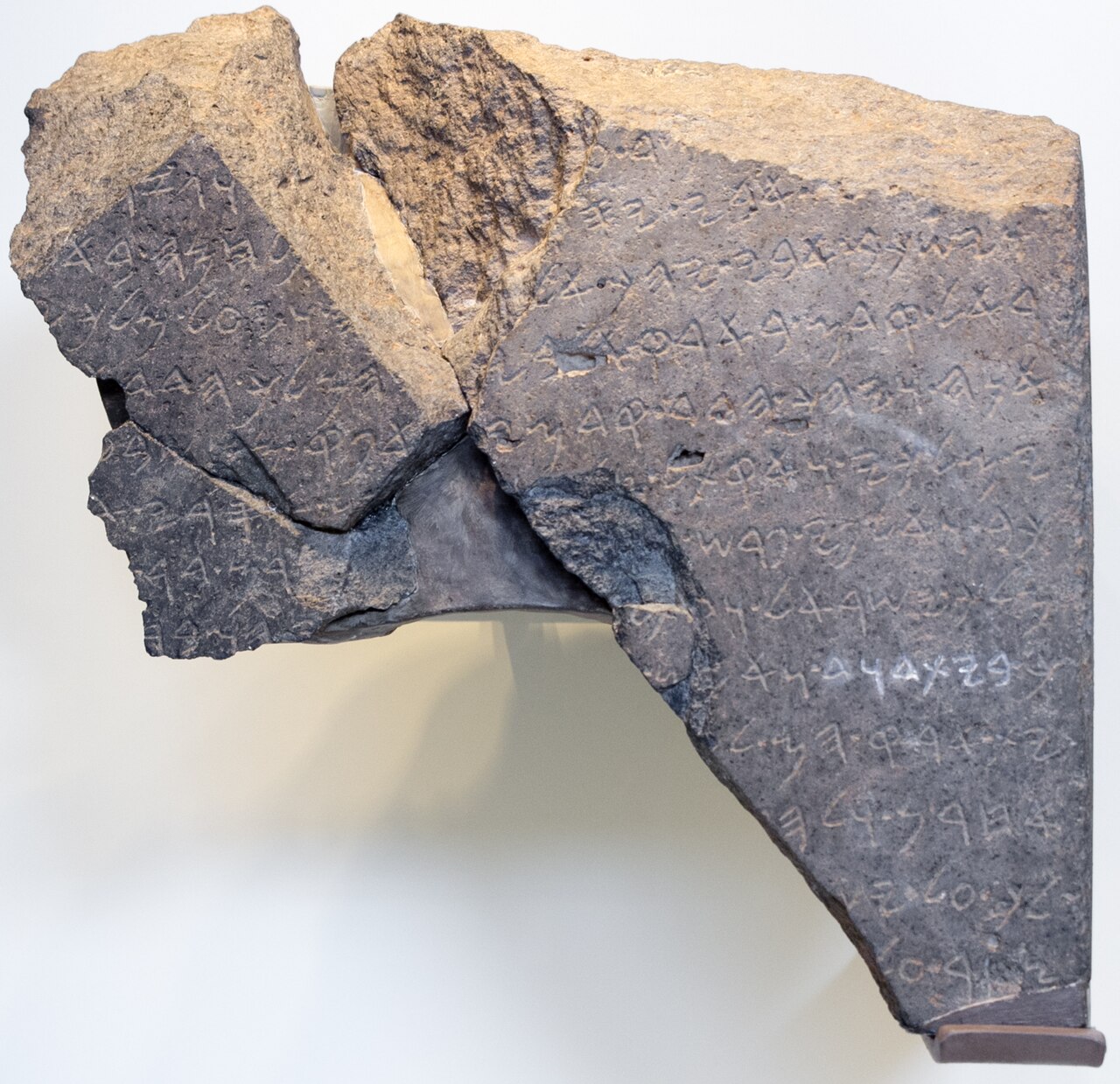
Aramean Damascus in Assyrian records and the Tel Dan Stele; Tell en-Nasbeh (Mizpah) with a massive Iron Age wall.
Testing the discoveries
The powers are real; the episode's details are known only from the Bible.
The strongest reconstruction
Border wars between Israel and Judah, with Damascus playing one against the other.
What remains possible
The identity of Ben-hadad; reconciling 2 Chronicles 16:1.
What the evidence shows
- Inscriptions link YHWH and "his asherah."
- Tell en-Nasbeh is Mizpah.
- 1 Kings 16:8 and 2 Chronicles 16:1 disagree on Baasha's dates as written.
- The Ben-hadad of chapter 15 is known from inscriptions.
Continue the journey
Journey of a Passage1 Kings 16:8 and 2 Chronicles 16:1: When did Baasha attack Asa?1 Kings 16:8 has Baasha's son begin to reign in Asa's 26th year, so Baasha was dead by then.More from this lesson
Why this matters to the rest of Scripture
- The Chronicler's longer Asa account.
- The pit Asa made at Mizpah.
- Ahijah's word against Jeroboam.