The Prophet and the Altar
"O altar, altar… a child shall be born unto the house of David, Josiah by name"
"O altar, altar, thus saith the LORD; Behold, a child shall be born unto the house of David, Josiah by name; and upon thee shall he offer the priests of the high places… and men's bones shall be burnt upon thee." Jeroboam stretches out his hand: "Lay hold on him." His hand dries up; the altar is rent, its ashes poured out. At the man of God's prayer the hand is restored.
"If thou wilt give me half thine house, I will not go in with thee, neither will I eat bread nor drink water in this place: For so was it charged me by the word of the LORD." An old prophet of Bethel follows him: "I am a prophet also as thou art; and an angel spake unto me… Bring him back… But he lied unto him."
At the table the word of the LORD comes to the old prophet himself: because the man of God disobeyed, "thy carcase shall not come unto the sepulchre of thy fathers." On the road a lion kills him, and stands by the body with the donkey, not eating either. The old prophet buries him, mourning "Alas, my brother!" and tells his sons: "Lay my bones beside his bones." "After this thing Jeroboam returned not from his evil way."
Josiah by name
2 Kings 23:15–18 tells how Josiah, about three centuries later, burned bones on Bethel's altar and spared the tomb of the man of God and the old prophet. Traditional readers see predictive prophecy. Many critical scholars think the name was added or the story shaped after Josiah's reform. Neither view can be proven from the text; the site reports both.
Testing a prophet
Deuteronomy 13 and 18 warn that a prophet can mislead. The story asks how one should weigh a word received directly against a later claim of revelation. Ancient Near Eastern texts (Mari letters) also show kings testing prophets' messages.
Bethel
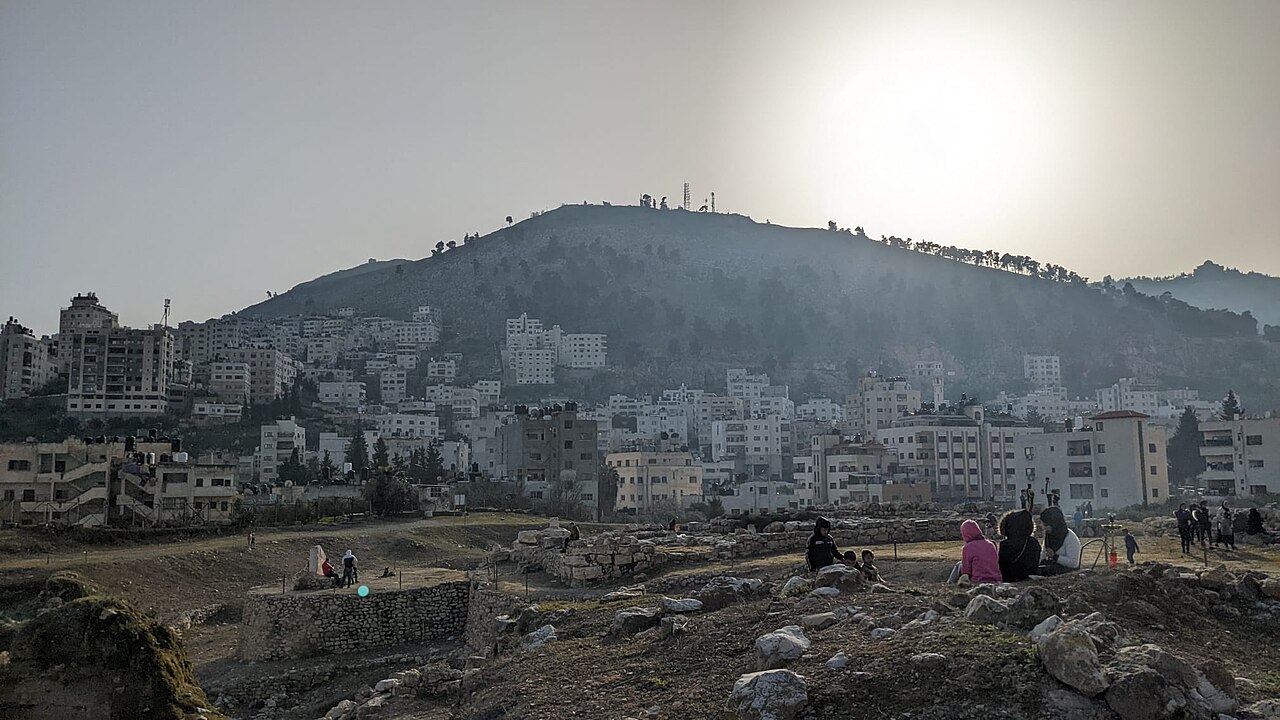
Bethel is usually located at Beitin, north of Jerusalem; excavations there in the 20th century were limited, and the Iron Age sanctuary has not been found.
The Case for the Biblical Account
Scripture's account
The man of God from Judah (1 Kings 13).
What evidence would we expect?
A royal sanctuary at Bethel; prophetic activity against it.
The discoveries
Beitin, the probable site; no Iron Age altar found.
Testing the discoveries
The sanctuary's existence is supported by Amos and Hosea; the story's events are known only from Kings.
The strongest reconstruction
A prophetic story linking Jeroboam's altar to Josiah's reform.
What remains possible
Whether the prophecy named Josiah originally.
What the evidence shows
- Bethel was a royal sanctuary of the northern kingdom. Amos 7:13.
- The name Josiah was added after his reign.
- "The saying which he cried by the word of the LORD… shall surely come to pass."
Continue the journey
Ancient MysteriesThe Sanctuaries of Bethel and DanWhat did Jeroboam's golden calves represent, and what has been found?More from this lesson
Investigations
Optional deep dives: the ancient sources, the physical evidence, and every interpretation side by side, including unconventional ones, each labeled for what it is.
The Sanctuaries of Bethel and DanTel Dan precinct: documented · Bethel sanctuary: not found · Meaning of the calves: debated
What did Jeroboam's golden calves represent, and what has been found?
Jeroboam set up golden calves at Bethel and Dan. At Tel Dan, Avraham Biran excavated a large sacred precinct with a raised platform and altar area. Bethel (probably Beitin) has not produced its sanctuary. The calves may have been images of Israel's God or pedestals for an invisible God; the text's charge of idolatry reflects Jerusalem's view.
Open the full investigation →Why this matters to the rest of Scripture
- Josiah at Bethel.
- The test of a prophet.
- Amos at Bethel.
- "Though… an angel from heaven preach any other gospel."