How 1 Kings Came to Us
Lost royal annals, a history edited in exile, and a Greek book arranged differently
In Hebrew tradition Kings is one book, with Samuel among the Former Prophets (Nevi'im). The Greek Bible counts Samuel and Kings as four books of "Kingdoms" (Reigns); 1 Kings is 3 Kingdoms. The Latin Vulgate called them 1–4 Kings (Regum), which is why older Catholic Bibles number 1 Kings as "3 Kings." The Talmud attributes Kings to Jeremiah.
The named sources
"The book of the acts of Solomon" (11:41), "the book of the chronicles of the kings of Israel" (14:19 and often), "the book of the chronicles of the kings of Judah" (14:29 and often). None survives. They may have been court annals or later histories based on them. No ancient quotation of them outside the Bible is known.
The witnesses
| Witness | Kind | Date | Notes |
|---|---|---|---|
| 4QKings (4Q54) | Hebrew, fragments | 1st c. BC (reported) | Parts of 1 Kings 7–8; reported to have the longer 8:16 like 2 Chronicles 6:5–6 |
| 5QKings (5Q2) | Hebrew, fragments | 2nd c. BC (reported) | Parts of 1 Kings 1; reported close to the Masoretic Text |
| 6QpapKings (6Q4) | Hebrew papyrus, fragments | 2nd–1st c. BC (reported) | Parts of 1 Kings 3 and 22 and of 2 Kings, with some variants |
| Codex Vaticanus | Greek | 4th c. AD | 3 Kingdoms; kaige revision through 1 Kings 2:11 and again from chapter 22, Old Greek between |
| Lucianic (Antiochene) manuscripts | Greek | Medieval copies of an ancient text | Often an older form of the Greek |
| Josephus, Antiquities 8 | Greek retelling | c. AD 93 | Uses Tyrian sources (Menander) |
| Vulgate | Latin from Hebrew | c. AD 400 | Follows the Hebrew |
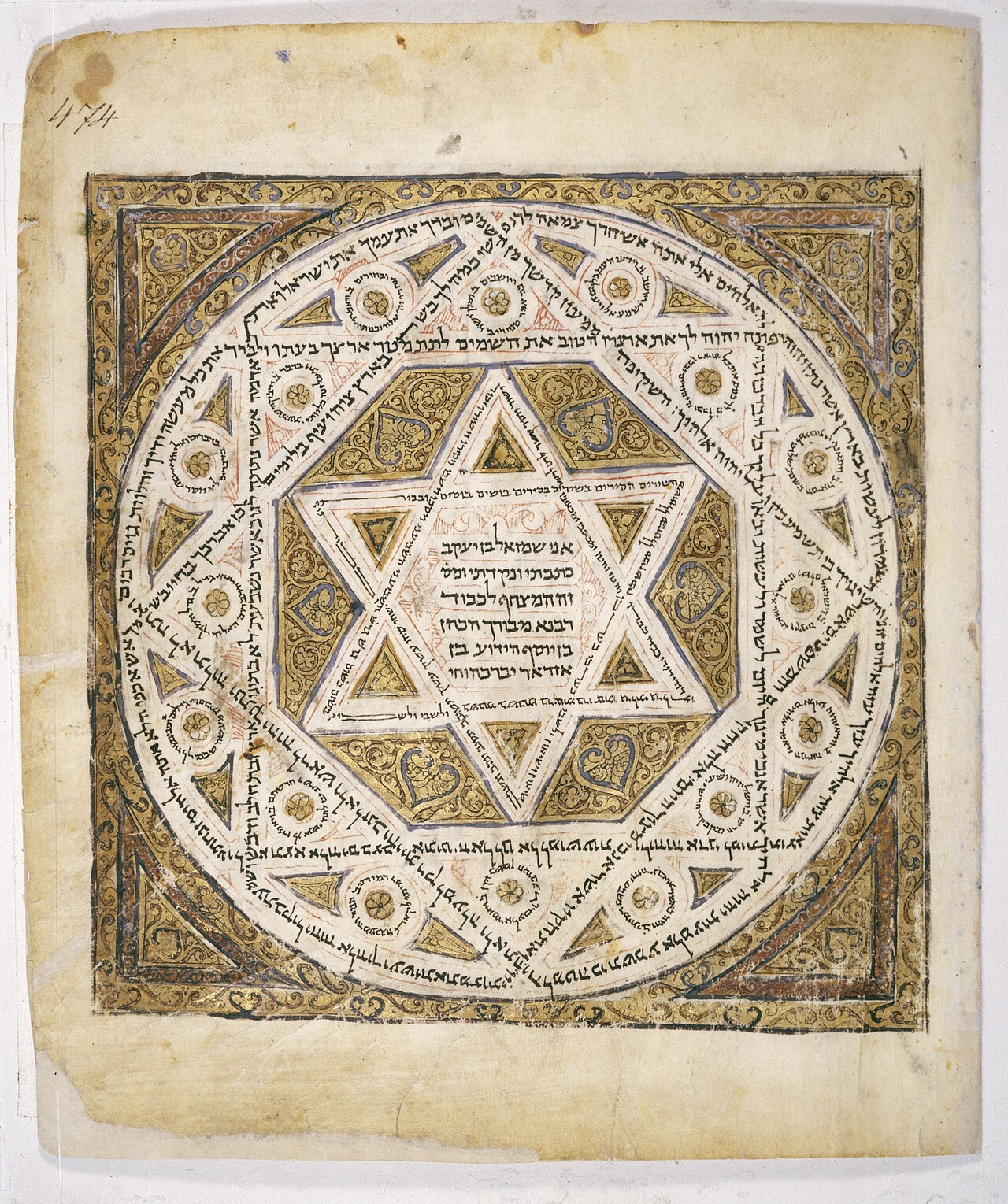
| Aleppo Codex | Hebrew, Masoretic | c. AD 930 | Kings survives |
| Leningrad Codex | Hebrew, Masoretic | AD 1008 | Basis of BHS and the library's Hebrew |
3 Kingdoms: a different book in places
| Feature | Hebrew (Masoretic) | Greek (3 Kingdoms) |
|---|---|---|
| Solomon summaries | Spread through chapters 3–11 | Gathered in long additions after 2:35 and 2:46 ("2:35a–o," "2:46a–l") |
| Temple and palace | Temple (6), palace (7:1–12), bronze (7:13–51) | Temple, bronze, then palace; parts of 6–7 reordered |
| Solomon's poem 8:12–13 | In 8:12–13 | After 8:53, in a longer form |
| Jeroboam | One account (11:26–14:20) | A second, different account after 12:24 ("12:24a–z"); 14:1–20 absent in the main Greek manuscripts |
| Naboth and the Aramean wars | Chapters 20 then 21 | Chapters 21 then 20 |
| Jehoshaphat | 22:41–50 | Also after 16:28, with different synchronisms |
Scholars disagree about these differences. Some (Adrian Schenker, Julio Trebolle) think parts of the Greek preserve an older Hebrew edition. Others (Emanuel Tov, P. S. F. van Keulen) see much of 3 Kingdoms as a rewritten text, like a midrash. Marvin Sweeney argues the two Jeroboam accounts reflect different perspectives on the north. Neither text can be assumed older everywhere.
Important limit: the library's Greek is Giguet's 1872 French translation. Some of these features can be seen in it (the 440 years in 6:1, the moved poem, the order of 20–21, the missing 22:28b, the gaps in 12 and 14). The long additions 2:35a–o and 2:46a–l appear merged into verses 35 and 46. The second Jeroboam account (12:24a–z) is not in the library's digital text at all. Exact Greek wording has not been checked by the site.
What the evidence shows
- Kings names sources that have not survived.
- Fragments of 1 Kings survive in 4Q54, 5Q2 and 6Q4.Source: E. Tigchelaar, "Reading and Assessing the Books of Kings Manuscripts from Qumran," Oxford Handbook of the Books of Kings (2024) ↗
- 3 Kingdoms differs from the Hebrew in order and content.Source: E. Tov, "3 Kingdoms Compared with Similar Rewritten Compositions" (2007) ↗
- The Greek preserves an older Hebrew edition of Kings.Source: E. Tov, "3 Kingdoms Compared with Similar Rewritten Compositions" (2007) ↗; M. A. Sweeney, "A Reassessment of the Masoretic and Septuagint Versions of the Jeroboam Narratives" (2007) ↗
- Kings was edited in a first and an exilic edition.Source: SBL, Introduction to the Hebrew Bible (sample) ↗; USCCB, introduction to 1 Kings ↗
Then and Later
1 Kings, then and later
- c. 970–850 BCThe events Solomon to Ahab (conventional dates).
- MonarchyAnnals and prophetic stories Named sources, now lost.
- Late 7th c. BCFirst edition? A history under Josiah (proposed).
- After 561 BCExilic edition Kings completed in exile.
- 2nd–1st c. BCGreek and Qumran 3 Kingdoms; 4Q54, 5Q2, 6Q4.
- c. AD 400Vulgate "3 Kings" in Latin Bibles.
- AD 1008Leningrad Codex The complete Hebrew text.
Continue the journey
Journey of a Passage1 Kings 2:35: The Greek Solomon miscellanies (2:35a–o, 2:46a–l)After 2:35 and again after 2:46, the Greek 3 Kingdoms adds long summaries about Solomon: his wisdom, his provisions, his wife Pharaoh's daughter, his building works and his officials.More from this lesson
Why this matters to the rest of Scripture
- The Book of the Acts of Solomon.
- The Chronicler's retelling.
- The last event in Kings (561 BC).
Sources to explore
- E. Tigchelaar, "Reading and Assessing the Books of Kings Manuscripts from Qumran," Oxford Handbook of the Books of Kings (2024) ↗
- E. Tov, "3 Kingdoms Compared with Similar Rewritten Compositions" (2007) ↗
- M. A. Sweeney, "A Reassessment of the Masoretic and Septuagint Versions of the Jeroboam Narratives" (2007) ↗
- SBL, Introduction to the Hebrew Bible (sample) ↗
- USCCB, introduction to 1 Kings ↗
Overviews are a starting point. Each links onward to the primary sources and specialist studies behind it.