Scholarly reconstruction
Pedestals
The calves were thrones or pedestals for the invisible YHWH, like the cherubim.
Ancient Mysteries & Interpretations
Jeroboam set up golden calves at Bethel and Dan. At Tel Dan, Avraham Biran excavated a large sacred precinct with a raised platform and altar area. Bethel (probably Beitin) has not produced its sanctuary. The calves may have been images of Israel's God or pedestals for an invisible God; the text's charge of idolatry reflects Jerusalem's view.
Tel Dan precinct: documented · Bethel sanctuary: not found · Meaning of the calves: debated
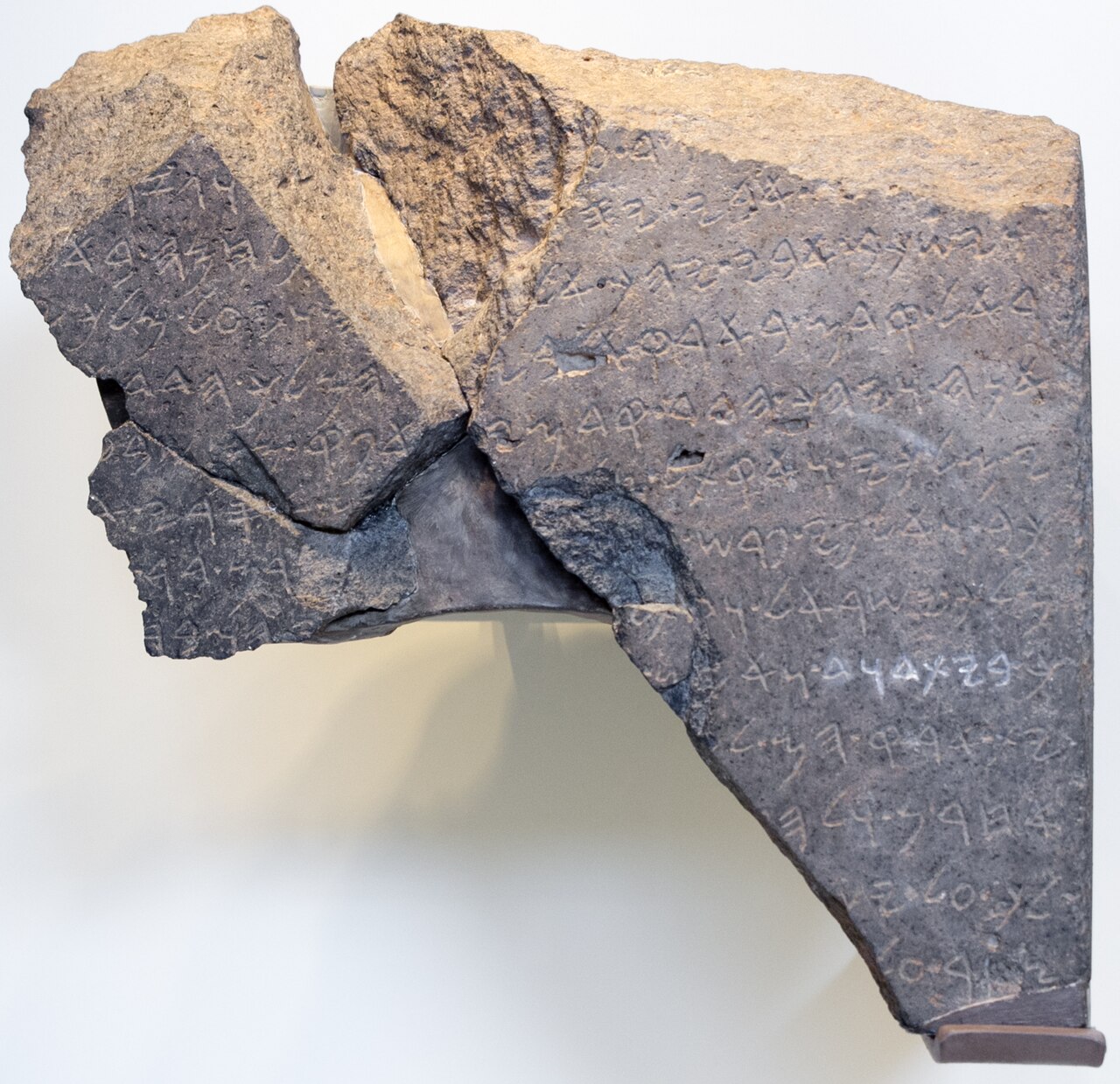
"Behold thy gods, O Israel, which brought thee up out of the land of Egypt" (1 Kings 12:28).
Tel Dan's precinct (Area T) includes a large ashlar platform, an altar area with horned altar fragments, and incense and cult objects, with phases from the 10th/9th to the 8th centuries BC. Bull figurines are known from the region, such as the bronze "Bull Site" bull near Dothan (12th c. BC) and the calf from Ashkelon (Middle Bronze Age).
Scholarly reconstruction
The calves were thrones or pedestals for the invisible YHWH, like the cherubim.
Scholarly reconstruction
The calves represented Israel's God in bull form.
Alternative explanation
The calves were Baal images.
Assessment: The text links them to the God of the Exodus; a Baal identification is not supported.
Northern Israel had royal sanctuaries at Dan and Bethel with bull imagery. Their exact meaning is debated; the biblical evaluation is that of Jerusalem.
What the evidence shows